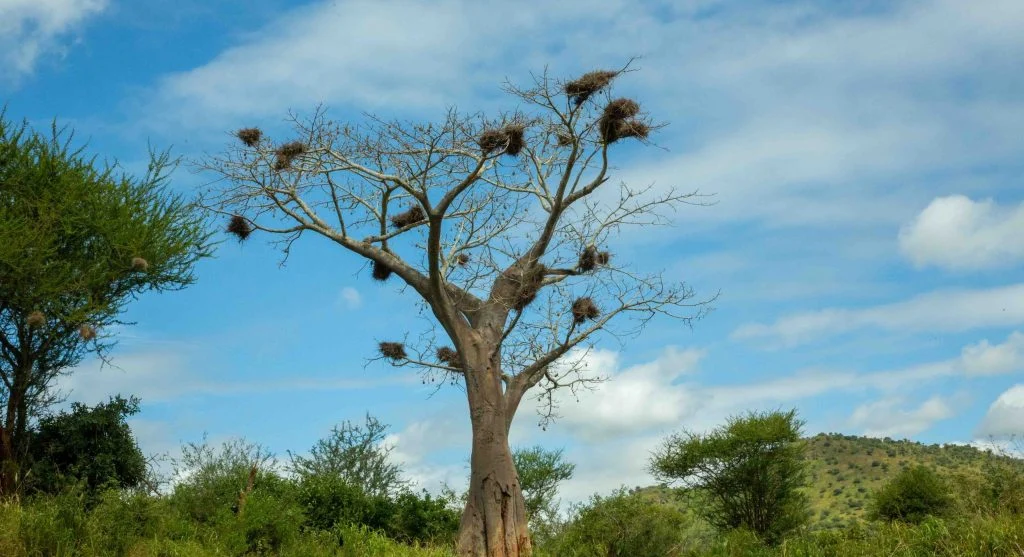
Few trees are as easy to recognize as the baobab. With its huge trunk, spreading branches, and unusual shape, the baobab has become one of Africa’s most iconic natural landmarks. Many travelers describe mature baobabs as looking upside down because their branches can resemble roots reaching into the sky.
While their appearance gets most of the attention, one of the tree’s most remarkable features is hidden inside. Baobabs can store enormous amounts of water in their trunks, helping them survive in places where droughts and long dry seasons are common.
Researchers studying why baobab trees store water explain that this adaptation allows them to endure environmental conditions that would challenge many other plant species. Their ability to act like natural water reservoirs has played a major role in their success across parts of Africa, Madagascar, and Australia.
Life in Dry Regions Requires Special Adaptations
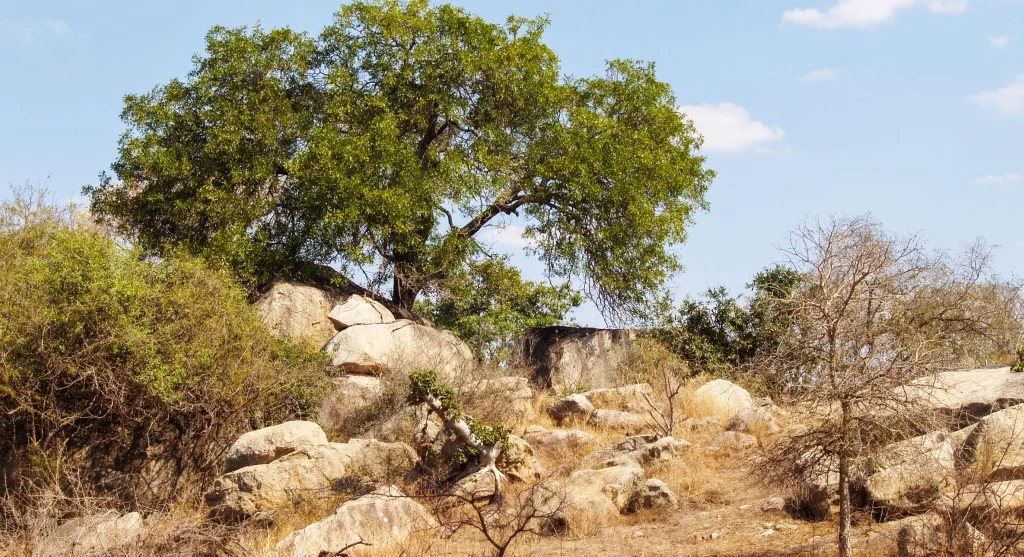
Many baobab trees grow in areas where rainfall is unpredictable.
Researchers explain that some regions can go months without significant rain. During these dry periods, plants must depend on stored resources to survive.
Unlike plants that rely on regular rainfall, baobabs have developed ways to conserve and store water.
This helps them stay alive even through long dry seasons.
The strategy has allowed baobabs to survive and thrive for thousands of years.
The Trunk Functions Like a Giant Reservoir
The most important feature of a baobab is its massive trunk.
Researchers explain that the trunk contains specialized tissues that can hold large amounts of water.
Instead of forming dense hardwood like many other trees, baobabs develop spongy, moisture-rich tissues.
This structure allows the tree to store water during rainy periods.
When dry conditions return, that stored water helps support survival.
Rainy Seasons Provide Essential Resources
Water storage begins when rain is available.
Researchers explain that baobabs absorb moisture through their extensive root systems.
Water collected during wetter periods is gradually stored inside the trunk.
This reserve becomes especially important once seasonal drought begins.
Efficient storage helps the tree maintain important biological functions during difficult conditions.
Some Baobabs Are Extremely Old
Baobabs are well known for their long lifespans.
Scientists have identified some individuals that may be hundreds or even thousands of years old.
Researchers explain that water storage contributes to this impressive longevity.
By surviving repeated drought cycles, baobabs can remain standing for generations.
Their age makes them important features of local ecosystems.
Wildlife Depends on Baobab Trees
Baobabs support more than their own survival.
Researchers explain that many animals depend on these trees for food, shelter, and nesting sites.
Birds often use the branches for nesting, while mammals may rest in the shade beneath the canopy.
Flowers and fruits also support a variety of wildlife.
The tree acts as an important ecological resource for the surrounding environment.
Flowers Attract Pollinators
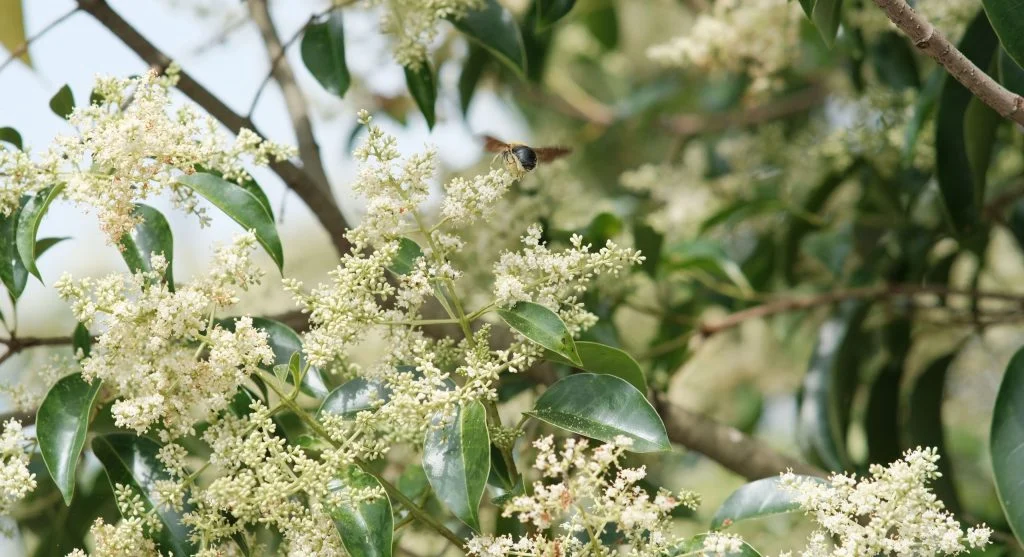
Baobab flowers are large, distinctive, and often bloom at night.
Researchers explain that bats are important pollinators for many baobab species.
As bats move from flower to flower, they transfer pollen.
This process supports reproduction and seed production.
Pollination connects baobabs to wider ecosystem processes.
Fruit Supports Many Species
Baobab trees produce nutrient-rich fruit.
Researchers explain that many animals eat these fruits and help disperse the seeds.
Seed dispersal supports the growth of future baobab populations.
This relationship benefits both wildlife and the trees.
Healthy ecosystems often depend on these kinds of interactions.
Thick Bark Provides Additional Protection
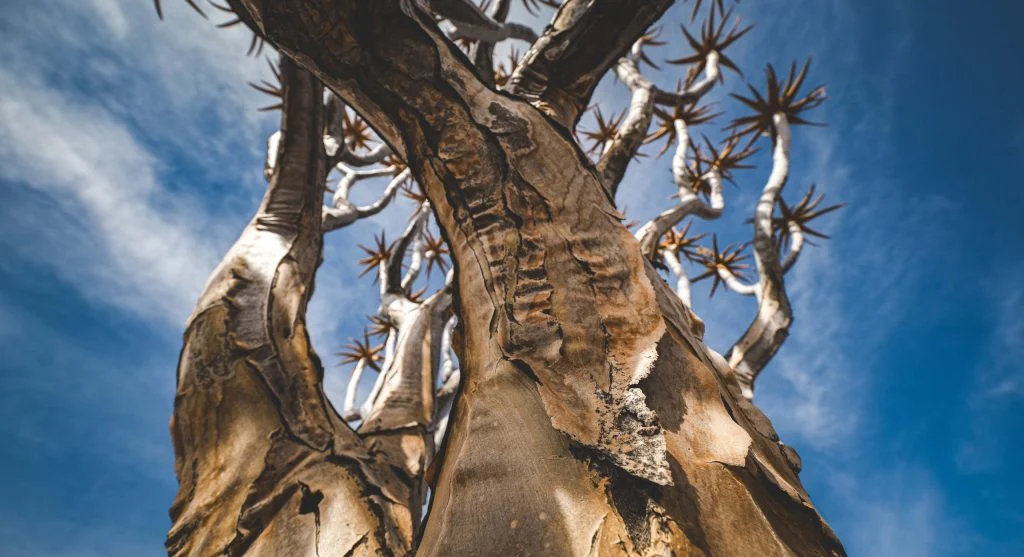
Baobabs have thick bark that helps protect their valuable water reserves.
Researchers explain that this bark reduces moisture loss and offers protection from environmental damage.
The combination of thick bark and water-storing tissues improves the tree’s resistance to drought.
Several adaptations work together to support survival.
Successful species often depend on multiple traits that complement each other.
Climate Challenges Highlight Their Importance
Scientists continue monitoring how environmental changes affect baobab populations.
Researchers explain that studying drought-resistant species can provide valuable ecological insight.
Baobabs show how plants can adapt to challenging conditions.
Their success offers lessons about resilience in changing environments.
Conservation efforts help ensure these remarkable trees remain part of future landscapes.
Baobabs Influence Local Ecosystems
Large baobabs often become central features within ecosystems.
Animals gather around them for shade, food, and shelter.
Researchers explain that these trees support biodiversity by helping many different species survive.
Protecting baobabs therefore benefits broader ecological communities.
Their importance reaches far beyond their own survival.
Researchers Continue Studying Water Storage Mechanisms
Although scientists already understand much about baobab adaptations, research continues into how these trees manage water so effectively.
Studies focus on internal tissues, growth patterns, and responses to environmental stress.
Each discovery improves understanding of plant adaptation and survival.
The ability to store water remains one of the most fascinating traits in the plant kingdom.
Baobabs continue to inspire both scientific research and public curiosity.
Frequently Asked Questions
Q: Why do baobab trees store water?
A: Water storage helps them survive long dry seasons and droughts.
Q: How much water can a baobab store?
A: Large baobabs can store thousands of liters of water within their trunks.
Q: Where do baobab trees grow?
A: They are found mainly in Africa, Madagascar, and parts of Australia.
Q: Why are baobabs important for wildlife?
A: They provide food, shelter, shade, and nesting opportunities for many species.
Q: Are baobab trees long-lived?
A: Yes. Some individuals may survive for hundreds or even thousands of years.
Key Takeaway
Baobab trees store enormous amounts of water because they evolved in environments where rainfall can be scarce and unpredictable. Their massive trunks work like natural reservoirs, helping them survive drought while supporting wildlife and entire ecosystems. This remarkable adaptation has made baobabs one of the most successful and recognizable trees in the world.