In the dry grasslands and deserts of southern Africa, few animals show cooperation as clearly as meerkats. These small members of the mongoose family live in highly social groups where survival depends on teamwork. While many animals focus mainly on their own safety, meerkats often work together in ways that protect the entire group.
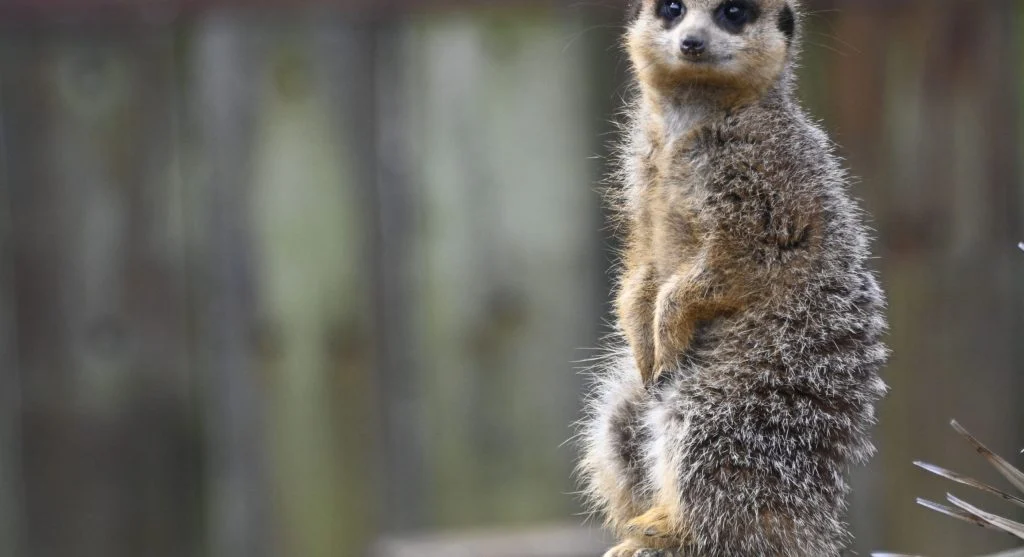
One of the best examples of this cooperation happens while the group is feeding. As most meerkats search for insects, spiders, and other food, one or more individuals may climb onto rocks, termite mounds, or raised ground to keep watch. These lookout animals are known as sentries.
Researchers studying why meerkats take turns standing guard explain that this behavior helps protect the group from predators while allowing other members to focus on finding food. The system shows how cooperation can improve survival for the whole community.
Life in Open Habitats Creates Risks
Meerkats often live in environments with relatively little cover.
Researchers explain that open landscapes make it easier to spot predators from a distance, but they also leave animals exposed.
Birds of prey, snakes, jackals, and other predators can pose serious threats.
Because danger may come from both the ground and the sky, constant awareness is important.
Group cooperation helps meerkats manage this risk.
Searching for Food Requires Attention
Finding food is not always simple.
Meerkats spend a lot of time digging through soil and vegetation as they search for insects and other prey.
Researchers explain that focusing on foraging can reduce awareness of approaching predators.
If every group member had to keep scanning the surroundings all the time, feeding would become less efficient.
The sentry system helps solve this problem.
Sentinels Watch for Danger
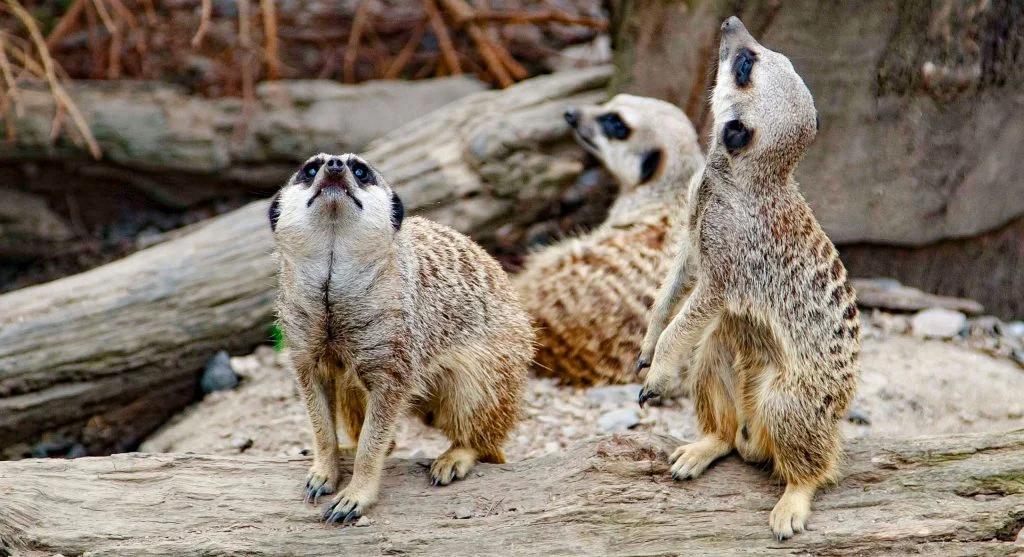
When a meerkat acts as a sentry, it usually chooses an elevated position.
Researchers explain that higher ground gives the lookout a better view of the surrounding area.
The sentry scans constantly while the rest of the group searches for food.
If danger appears, the sentry gives alarm calls to warn the others.
These warnings allow the group to react quickly.
Different Alarm Calls Communicate Different Threats
Scientists studying meerkat communication have found that alarm calls can vary depending on the type of predator.
Researchers explain that different calls may signal danger from the air or from the ground.
This information helps group members choose the right response.
Specific communication improves survival by reducing confusion.
The system highlights the complexity of meerkat social behavior.
Taking Turns Benefits Everyone
Standing guard takes time and energy.
If one meerkat stayed on watch all the time, it would lose valuable chances to feed.
Researchers explain that meerkats often rotate this responsibility.
Different group members may act as sentries at different times.
Sharing the duty spreads the cost across the group.
Cooperation Improves Survival
Many studies suggest that cooperative behavior provides major survival advantages.
Researchers explain that meerkats benefit from shared predator detection and collective defense.
Groups often do better than isolated individuals.
Working together allows animals to handle tasks that would be much harder alone.
Cooperation remains one of the defining features of meerkat society.
Young Meerkats Learn Through Observation
Young meerkats spend a great deal of time watching older group members.
Researchers explain that young animals learn important behaviors through observation and experience.
Skills related to foraging, predator recognition, and communication develop gradually over time.
Living in a social group provides valuable learning opportunities.
This transfer of knowledge supports long-term group success.
Burrows Provide Safe Refuges
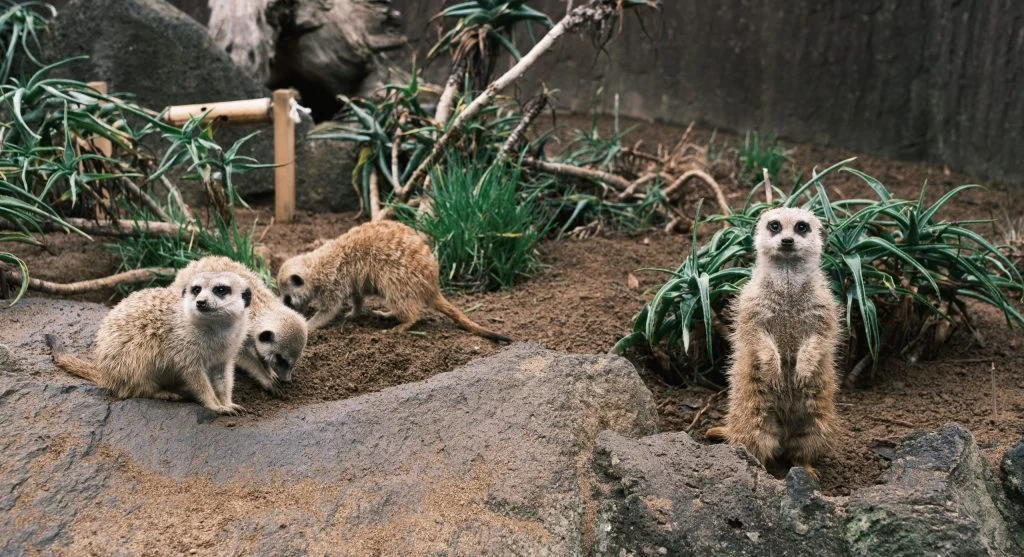
Meerkats rely heavily on underground burrow systems.
Researchers explain that these shelters protect them from predators and extreme temperatures.
When alarm calls warn of danger, group members often run toward nearby burrows.
Quick access to shelter improves their chances of survival.
Together, sentries and burrows create an effective defense strategy.
Social Bonds Strengthen Group Stability
Meerkat groups are built on strong social relationships.
Members often groom one another, help raise young, and take part in group activities.
Researchers explain that strong social bonds encourage cooperation and reduce conflict.
Trust within the group supports coordinated behavior.
Healthy relationships help keep the group stable over time.
Researchers Continue Studying Group Decision-Making
Scientists remain interested in how animals coordinate group activities.
Meerkats provide valuable opportunities for studying communication, cooperation, and collective behavior.
Researchers examine how groups respond to changing conditions and make decisions together.
Each discovery improves understanding of social evolution.
Meerkats remain one of the most studied cooperative mammals.
Environmental Changes Affect Wildlife Communities
Like many species, meerkats face environmental challenges linked to habitat conditions and resource availability.
Researchers continue monitoring wildlife populations to better understand ecological changes.
Healthy ecosystems support both predators and prey.
Conservation efforts help maintain the environments that social species depend on.
Understanding animal behavior contributes to better wildlife management.
Teamwork Is a Powerful Survival Tool
Nature offers many examples of cooperation, but meerkats provide one of the clearest demonstrations.
By sharing responsibilities, communicating effectively, and supporting one another, these animals improve their chances of survival.
The sentry system shows how relatively simple behaviors can create major benefits.
Researchers continue studying the many ways social animals work together.
The lessons often reveal surprising similarities across different species.
Frequently Asked Questions
Q: Why do meerkats take turns standing guard?
A: Guarding helps detect predators while allowing other group members to focus on finding food.
Q: What is a meerkat sentry?
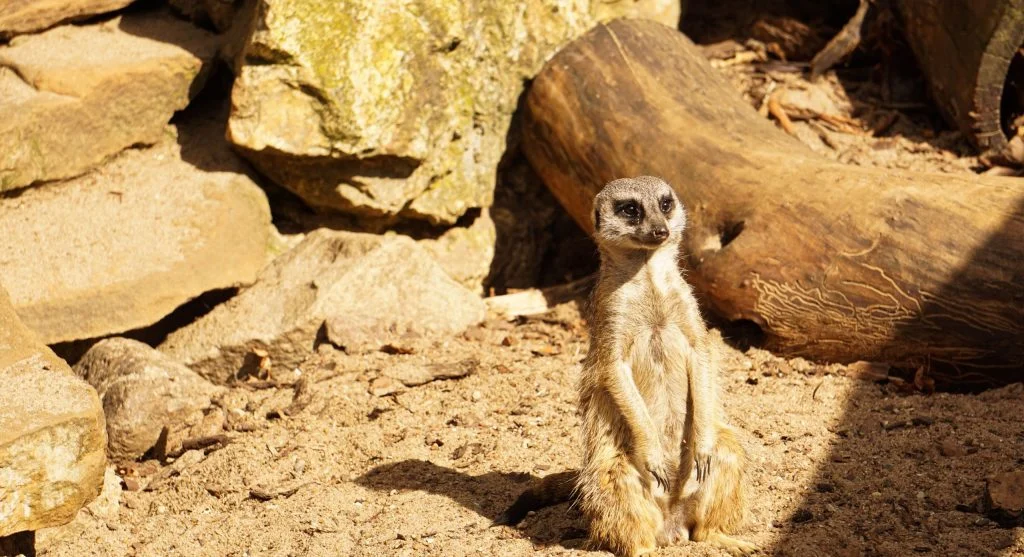
A: A sentry is a lookout that watches for danger and warns the group.
Q: How do meerkats warn each other?
A: They use alarm calls that communicate information about potential threats.
Q: Where do meerkats live?
A: Meerkats inhabit grasslands and desert regions of southern Africa.
Q: Why is cooperation important for meerkats?
A: Cooperation improves predator detection, food gathering efficiency, and overall survival.
Key Takeaway
Meerkats take turns standing guard because cooperation allows the whole group to balance feeding and safety. By using sentries, alarm calls, and shared responsibilities, these highly social animals create an effective defense system that improves survival in challenging environments. Their behavior remains one of the most impressive examples of teamwork in the wild.