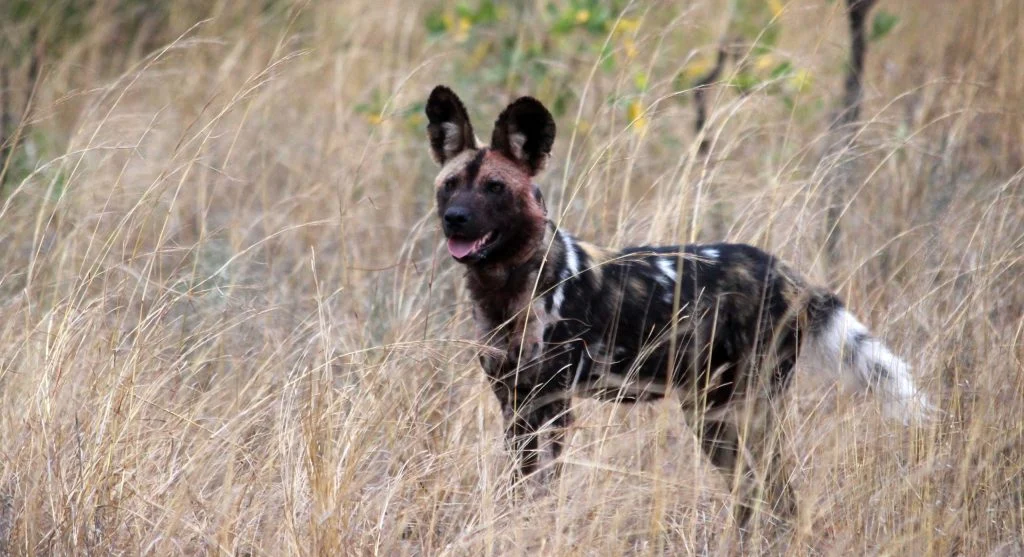
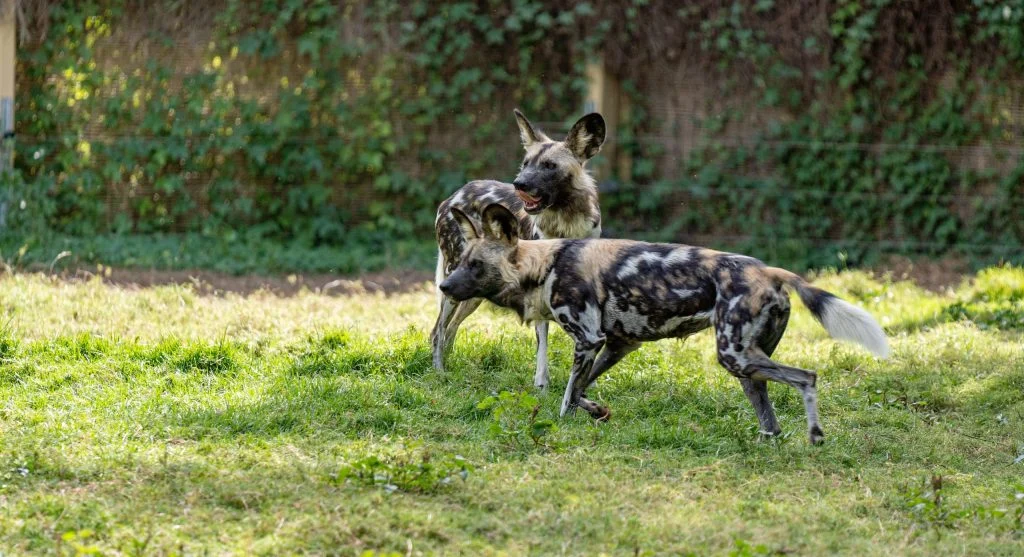
African wild dogs are among the most successful hunters in the animal kingdom. These colorful predators live in highly organized packs and rely more on teamwork than individual strength. Their ability to coordinate movement, share roles, and communicate clearly has helped them survive in some of Africa’s most challenging environments.
One of the most fascinating discoveries made by wildlife researchers involves how African wild dogs decide when to start hunting. Scientists studying their behavior have observed that pack members often use a series of sneezes and social signals before leaving to hunt. The behavior is so organized that researchers sometimes compare it to a form of voting.
Although wild dogs do not vote in the human sense, the process shows a remarkable level of group decision-making that is rarely seen in wildlife.
Life Depends on Cooperation
African wild dogs rely heavily on teamwork.
Unlike solitary predators that hunt alone, wild dogs work together to find, chase, and catch prey.
Researchers explain that successful hunts often depend on coordinated effort from several pack members.
Because cooperation is so important, group decisions can have serious consequences.
If the pack leaves too early, valuable energy may be wasted. If it waits too long, a feeding opportunity may be missed.
Pack Members Communicate Constantly
Communication is essential in wild dog society.
Researchers have documented many different sounds, body movements, and social interactions among pack members.
These signals help coordinate travel, hunting, and relationships within the group.
Scientists explain that communication allows the pack to operate like a highly organized unit.
Strong communication improves hunting success and helps maintain social bonds.
The Mystery of the Sneezing Behavior
While watching wild dog packs, researchers noticed an unusual pattern.
Before many hunts, pack members gathered together and produced repeated sneezing sounds.
At first, scientists thought the sneezes were unrelated to hunting.
However, closer observation revealed a surprising connection.
The number of sneezes often seemed linked to whether the pack decided to move out.
Scientists Compared the Process to Voting
Researchers found that hunts were more likely to happen when more pack members joined in the sneezing behavior.
No animal was literally counting votes, but the collective participation appeared to influence the group’s decision.
Scientists began describing the process as a form of democratic decision-making.
The comparison gained attention because it suggested an advanced level of social coordination.
Instead of simply following one leader every time, packs seemed to respond to signals from multiple members.
Leadership Still Matters
African wild dog packs often include dominant individuals.
Researchers explain that experienced leaders can influence group behavior and decision-making.
However, studies suggest that support from other pack members still matters.
Even strong leaders may need cooperation from the group before a hunt begins.
This balance between leadership and participation helps the pack coordinate effectively.
Hunting Requires Significant Energy
Wild dog hunts demand a great deal of energy.
Packs may travel long distances while chasing prey across open landscapes.
Researchers explain that unsuccessful hunts can lead to major energy loss.
Because hunting is costly, choosing the right time to begin is important.
Group decision-making may help reduce wasted effort.
Cooperation Improves Hunting Success
African wild dogs are known for having very high hunting success rates compared with many other predators.
Researchers believe cooperation is one reason for this success.
Pack members work together to chase prey, block escape routes, and maintain pressure during long pursuits.
Communication and coordination make the hunt more efficient.
Group decision-making may be another factor that supports their hunting success.
Social Bonds Strengthen the Pack
Wild dog society is built around strong relationships.
Pack members groom each other, share food, and help care for young animals.
Researchers explain that strong social bonds improve cooperation and reduce conflict.
Trust within the group supports coordinated behavior.
Healthy relationships help keep the pack stable and effective.
Young Dogs Learn Through Experience
Young wild dogs spend years watching older pack members.
During this time, they learn communication signals, hunting methods, and social rules.
Researchers explain that learning from experienced adults improves survival and hunting performance.
This transfer of knowledge helps successful behaviors continue across generations.
Social learning remains an important part of pack life.
Wild Dogs Face Modern Challenges
Despite their impressive abilities, African wild dogs face several conservation threats.
Habitat fragmentation, disease, and conflict with human activities can all affect populations.
Researchers continue monitoring wild dog numbers across Africa.
Protecting large, connected habitats remains important for their long-term survival.
Conservation efforts help support healthy wild dog populations and balanced ecosystems.
Researchers Continue Studying Group Decisions
Scientists remain fascinated by how animals make decisions as a group.
African wild dogs provide valuable insight into cooperation, communication, and social behavior.
Researchers continue studying how group dynamics influence hunting, travel, and daily activity.
Each new study improves understanding of one of Africa’s most remarkable predators.
The findings also show that complex social behavior can evolve in many different forms.
Frequently Asked Questions
Q: Do African wild dogs really vote?
A: Not exactly. Researchers use the term to describe a group decision-making process involving communication signals.
Q: Why do African wild dogs sneeze before hunting?
A: Studies suggest sneezing may help communicate readiness and influence group decisions.
Q: Are African wild dogs successful hunters?
A: Yes. They are among the most effective cooperative hunters in Africa.
Q: Why is teamwork important for wild dogs?
A: Cooperation improves hunting efficiency, communication, and survival.
Q: Where do African wild dogs live?
A: They inhabit parts of sub-Saharan Africa, particularly savannas and grasslands.
Key Takeaway
African wild dogs show one of the most fascinating examples of group decision-making in the animal kingdom. Through communication, cooperation, and social coordination, these remarkable predators appear to influence hunting decisions together. Their behavior highlights the power of teamwork and reveals the extraordinary complexity of wildlife societies.