Elephants are among the largest land animals living on Earth. These intelligent mammals inhabit grasslands, forests, wetlands, and savanna ecosystems where temperatures can become extremely hot during daytime hours.
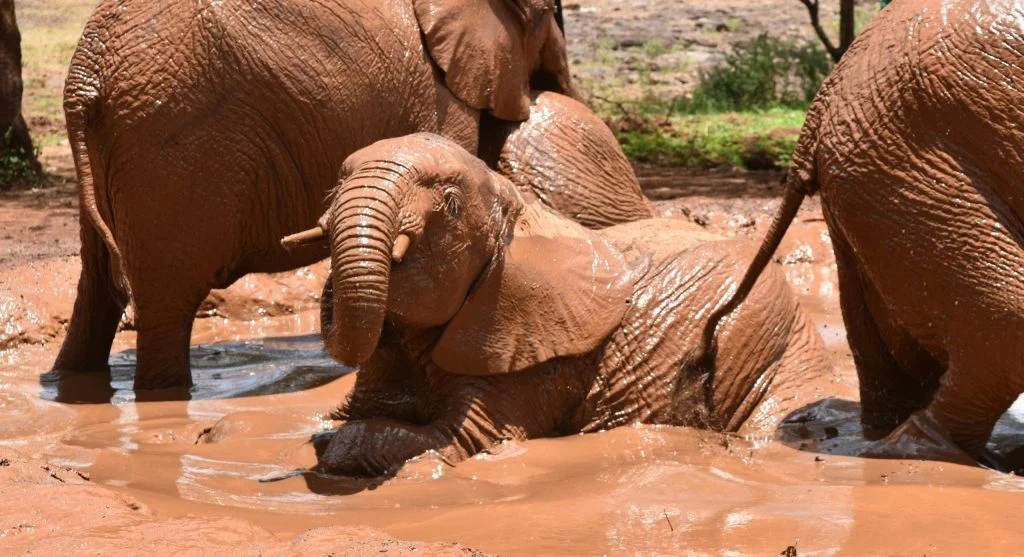
Wildlife researchers studying why elephants use mud baths explain that this behavior supports cooling, skin protection, and insect defense in challenging outdoor environments. Mud bathing remains one of the most important survival behaviors observed in elephant populations.
Mud Helps Elephants Cool Their Bodies
One major reason why elephants use mud baths involves temperature control. Wildlife experts explain that elephants generate large amounts of body heat due to their massive size.
Applying wet mud across the skin helps reduce heat exposure during hot weather conditions.
As moisture evaporates slowly, mud can provide longer-lasting cooling effects compared with water alone.
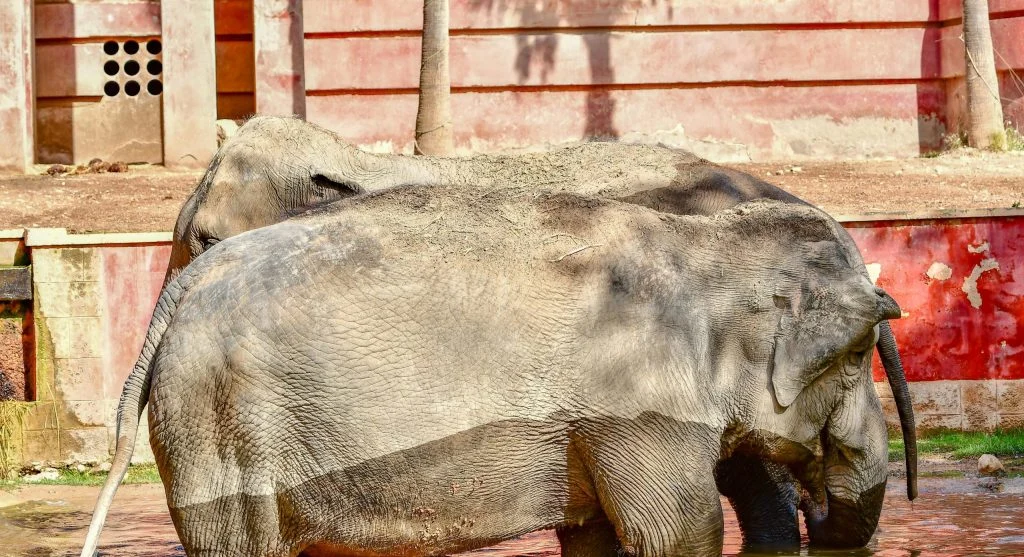
Credit: Emilio Sánchez Hernández / Pexels
Mud Protects Sensitive Skin
Elephant skin may appear thick, but wildlife researchers explain that it can still be sensitive to sunlight, dryness, and biting insects.
Mud forms a protective layer across the skin surface, helping reduce irritation and environmental exposure.
Wildlife cooling adaptations like mud bathing become especially important in dry and sunny habitats.
Insects and Parasites Can Be Reduced by Mud Coating
Another important elephant behavior fact involves insect protection. Wildlife experts explain that mud may help reduce contact with flies, ticks, and other biting insects.
After drying, mud can also help remove parasites or debris when it flakes off the body.
This behavior supports healthier skin conditions in outdoor environments.
Elephants Often Bathe Near Water Sources
Rivers, wetlands, ponds, and seasonal watering holes provide important bathing locations for elephant herds. Wildlife researchers explain that water access remains critical for survival in warm ecosystems.
Elephants may spray water over themselves before adding mud or dust layers afterward.
These activities commonly occur during the hottest parts of the day.
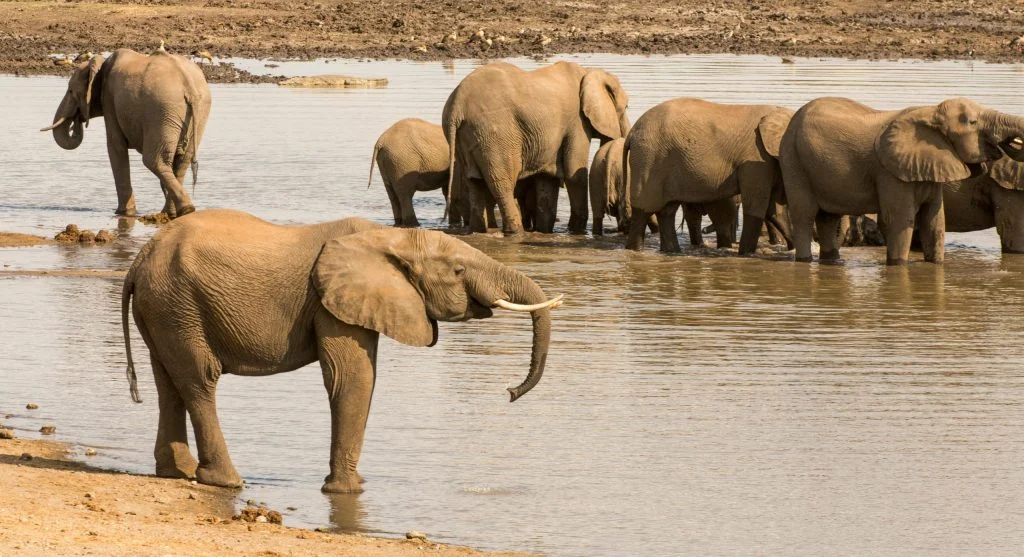
Credit: Charl Durand / Pexels
Dust Baths May Follow Mud Baths
Wildlife experts explain that elephants sometimes throw dust or sand over wet mud-covered skin.
This additional layer may improve protection against sunlight and insects while helping maintain skin comfort.
Researchers continue studying how environmental conditions influence elephant bathing behavior.
Social Behavior Is Common During Bathing Activity
Elephants are highly social animals that often travel in family groups. Wildlife specialists explain that bathing activity may involve several herd members gathering together near water sources.
Young elephants commonly learn behavior patterns by observing older individuals.
Social interaction remains an important part of elephant group life.
Habitat Protection Remains Important for Elephant Survival
Water availability, migration routes, and habitat quality all influence elephant populations across different ecosystems.
Wildlife conservation organizations continue supporting habitat protection and biodiversity monitoring programs involving elephant populations.
Researchers studying why elephants use mud baths emphasize the importance of protecting healthy ecosystems with reliable freshwater resources and natural wildlife habitats.
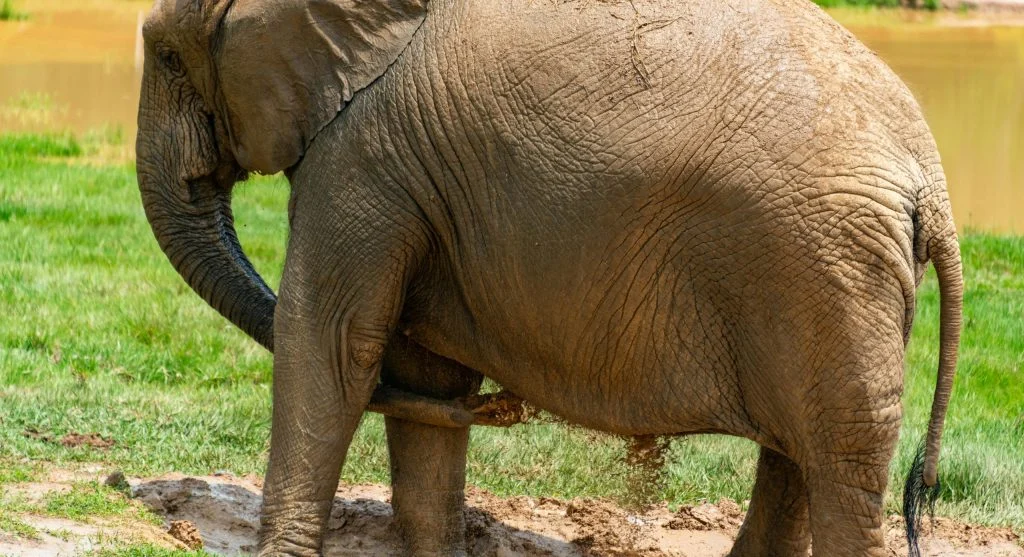
Credit: Diego F. Parra / Pexels
Frequently Asked Questions
Q: Why do elephants use mud baths?
A: Mud baths help elephants cool down, protect skin, and reduce insect exposure.
Q: How does mud help elephants stay cool?
A: Wet mud evaporates slowly and provides longer-lasting cooling on the skin.
Q: Do elephants bathe in groups?
A: Yes. Elephants often gather near water sources and bathe together socially.
Q: Why are water sources important for elephants?
A: Water supports drinking, bathing, cooling, and survival in warm habitats.
Q: What threatens elephant habitats?
A: Habitat loss, environmental pressure, and reduced water availability may affect elephant populations.
Key Takeaway
Understanding why elephants use mud baths highlights how wildlife adaptations support survival in hot natural environments. Mud coating helps elephants regulate temperature, protect sensitive skin, and reduce insect exposure across challenging habitats. Wildlife researchers and conservation groups continue emphasizing the importance of protecting freshwater ecosystems and natural habitats that support elephant populations and biodiversity.