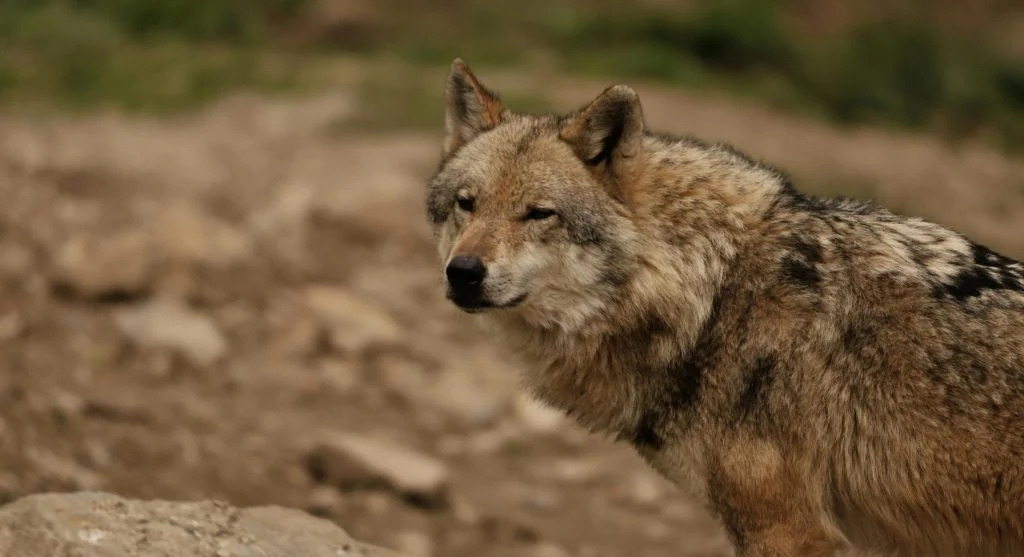
Wolf howling is one of the most recognizable sounds in the natural world. Across forests, mountains, tundra regions, and wilderness habitats, wolves use vocal communication to stay connected with pack members and respond to changing environmental conditions.
Wildlife researchers studying why wolves howl explain that these vocalizations serve several important purposes related to pack survival, territory defense, and social interaction. Understanding wolf communication helps scientists better study predator behavior and ecosystem dynamics.
Howling Helps Wolves Stay Connected
One major reason why wolves howl involves long-distance communication between pack members. Wolves may travel across large territories while hunting or exploring wilderness habitats.
Wildlife experts explain that howling allows wolves to locate one another and maintain social contact over long distances.
Because howls can travel several miles under favorable conditions, they are especially useful in forests, mountains, and open wilderness environments.
Credit: Leon Aschemann / Pexels
Wolves Also Howl to Defend Territory
Wolf packs often defend territories that contain food sources, shelter areas, and breeding habitats. Researchers studying wolf pack behavior explain that howling may help warn unfamiliar wolves to stay away from occupied territory.
Territorial communication reduces the need for direct physical conflict between competing packs.
Wildlife specialists explain that scent marking and body language also play important roles in wolf territory behavior.
Pack Bonding Is Another Important Reason
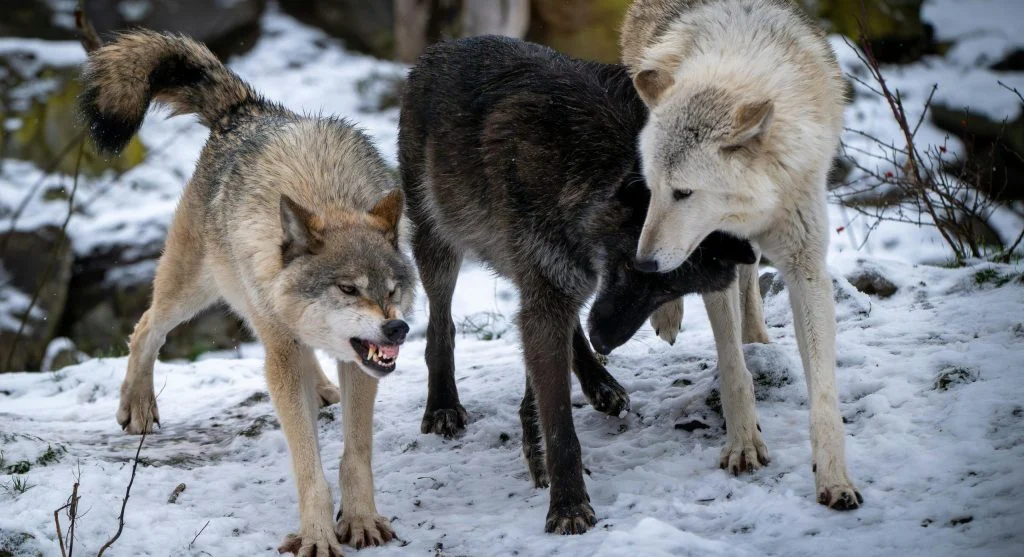
Wolves are highly social animals that rely on cooperation for hunting and survival. Group howling may strengthen social relationships inside the pack.
Wildlife sound communication researchers explain that coordinated howling can increase group unity and reinforce social bonds among wolves.
Pups may also learn communication behavior by listening to older pack members.
Different Howls Can Send Different Messages
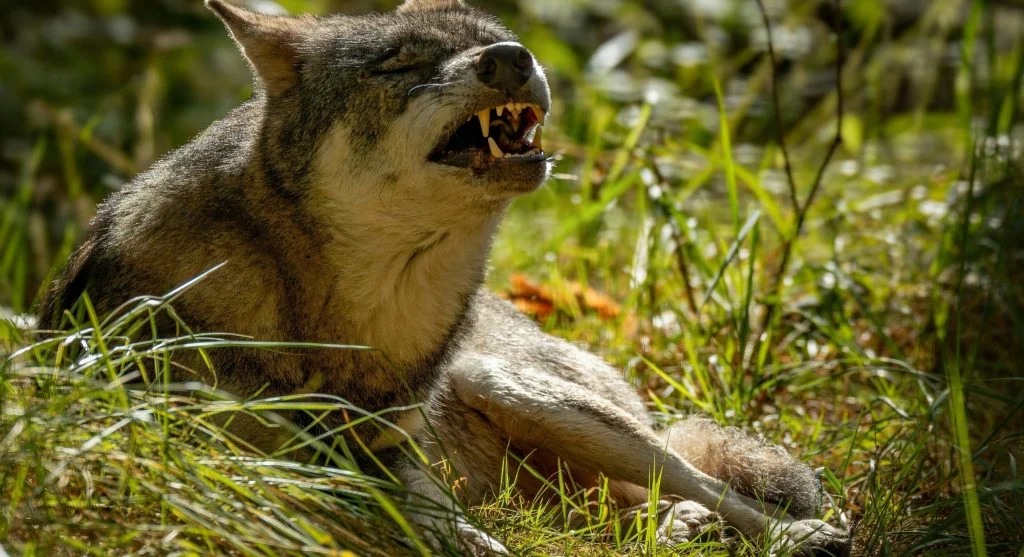
Not all wolf howls sound the same. Researchers studying wolf communication explain that wolves may change pitch, length, and intensity depending on the situation.
Some howls may help locate missing pack members, while others may signal warnings or responses to nearby wolves.
Scientists continue researching how wolves interpret and respond to vocal signals in different environments.
Credit: Gundula Vogel / Pexels
Howling Usually Happens More Often at Night
Many wolves become especially active during evening and nighttime hours. Cooler temperatures and lower human activity may create favorable conditions for movement and hunting.
Wildlife experts explain that nighttime conditions also allow sound to travel more effectively across some landscapes.
This is one reason wolf howls are often associated with nighttime wilderness settings.
Wolves Play Important Roles in Ecosystems
As predators, wolves help regulate prey populations and influence ecosystem balance in some habitats. Wildlife researchers explain that healthy predator-prey relationships contribute to biodiversity and environmental stability.
Wolf behavior may also indirectly affect vegetation growth and movement patterns of prey animals.
Conservation groups continue studying the ecological importance of predators within natural ecosystems.
Conservation and Habitat Protection Remain Important
Habitat fragmentation, environmental pressure, and human-wildlife conflict can affect wolf populations in some regions.
Wildlife conservation organizations continue monitoring wolf habitats and supporting ecosystem protection efforts.
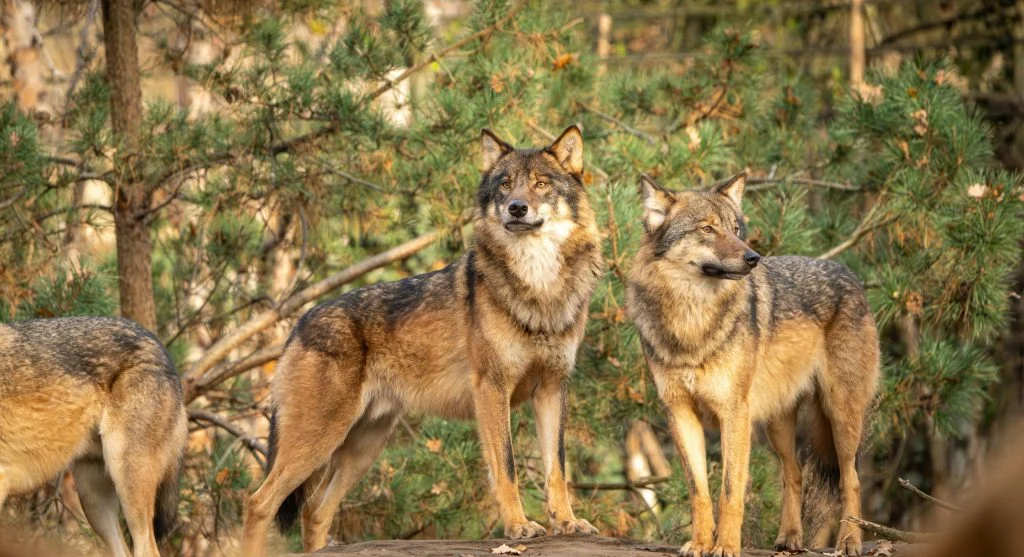
Researchers studying why wolves howl emphasize that healthy wilderness habitats remain important for maintaining natural wolf behavior and biodiversity.
Credit: Leon Aschemann / Pexels
Frequently Asked Questions
Q: Why do wolves howl?
A: Wolves howl to communicate with pack members, defend territory, and strengthen social bonds.
Q: How far can wolf howls travel?
A: Under favorable conditions, wolf howls may travel several miles across open landscapes.
Q: Do wolves howl more at night?
A: Yes. Wolves are often more active during nighttime hours when sound travels effectively and temperatures are cooler.
Q: Are all wolf howls the same?
A: No. Wolves may change howl pitch, length, and intensity depending on communication needs.
Q: Why are wolves important for ecosystems?
A: Wolves help regulate prey populations and support ecosystem balance in natural habitats.
Key Takeaway
Understanding why wolves howl helps researchers better study wolf communication, pack behavior, and wilderness ecosystems. Howling allows wolves to stay connected, defend territory, and strengthen social relationships across large habitats. Wildlife experts continue emphasizing the importance of protecting natural ecosystems that support healthy wolf populations and long-term biodiversity.