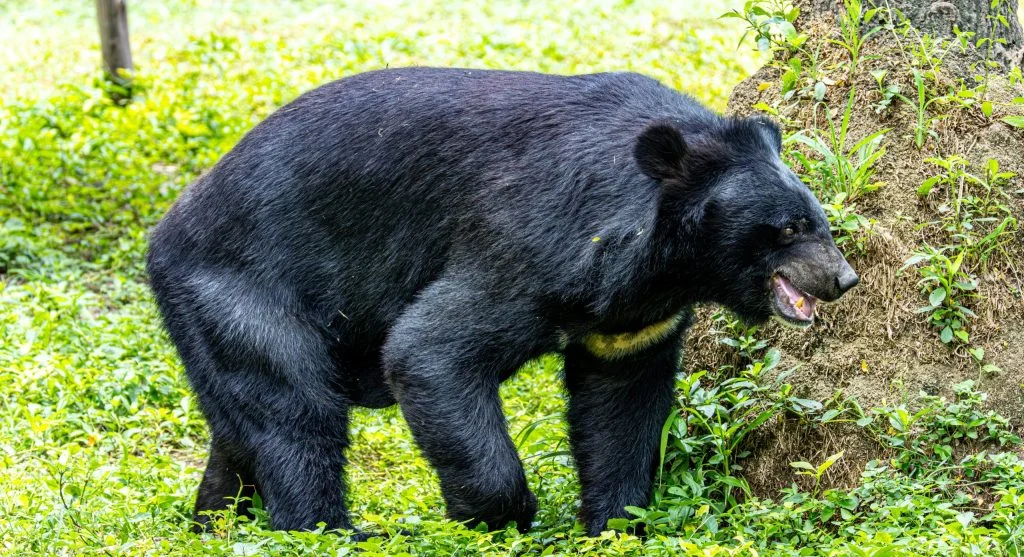
Bears are powerful and intelligent animals that live in forests, mountains, tundra regions, and wilderness habitats across several continents. However, many misconceptions about bears continue spreading through movies, internet stories, and outdated outdoor myths.
Wildlife researchers studying bear behavior facts explain that understanding the truth behind common bear myths can improve outdoor safety and help support wildlife conservation efforts. Experts also emphasize the importance of respecting wild animals and their natural habitats.
Myth 1: Bears Always Attack Humans
One of the most common bear myths is the belief that bears naturally hunt people. Wildlife experts explain that most bears prefer avoiding human contact whenever possible.
Bear encounters usually happen because animals feel surprised, threatened, or protective of food or cubs.
Researchers studying wildlife safety tips explain that calm behavior, safe distance, and proper food storage can help reduce dangerous encounters outdoors.
Credit: Regan Dsouza / Pexels
Myth 2: Bears Move Slowly
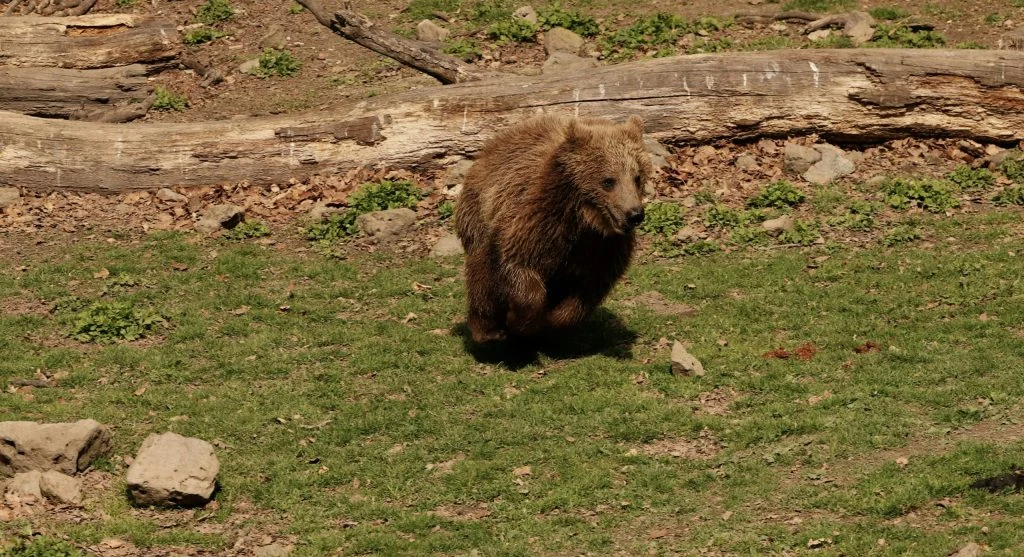
Another surprising outdoor animal myth involves speed. Wildlife specialists explain that bears can run much faster than many people expect.
Despite large body size, some bears are capable of short bursts of speed across forests, grasslands, and mountain terrain.
Outdoor experts strongly advise against attempting to outrun bears during wildlife encounters.
Myth 3: Bears Only Eat Meat
Many bear species are omnivores, meaning they eat both plants and animals. Wildlife researchers explain that berries, nuts, roots, insects, fish, and vegetation often make up large portions of bear diets.
Food sources vary depending on habitat, season, and species.
Bear behavior facts show that many bears spend large amounts of time searching for plant-based food during warmer months.
Myth 4: Bears Hibernate Deeply All Winter
Although bears enter long winter resting periods, wildlife experts explain that hibernation behavior differs from the deep dormancy seen in some smaller animals.
Bears may wake periodically during winter denning periods, especially if disturbed or exposed to changing environmental conditions.
Researchers studying seasonal wildlife behavior continue examining how temperature and food availability influence denning activity.
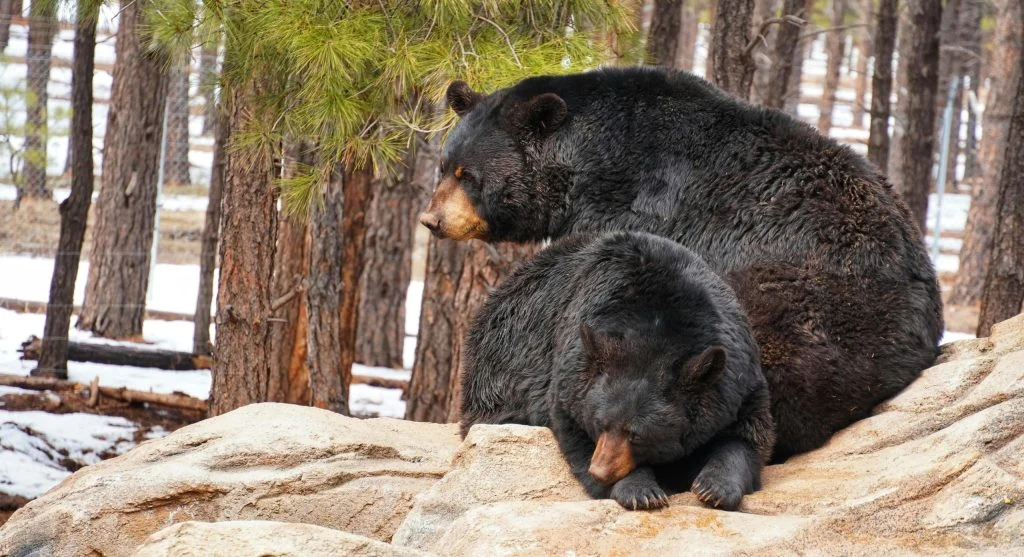
Credit: I.E Mike / Pexels
Myth 5: Small Bears Are Always Young Cubs
Not all small bears are cubs. Some bear species or individual adults naturally appear smaller depending on age, habitat conditions, and available food resources.
Wildlife experts explain that identifying bear age accurately often requires careful observation and professional experience.
Visitors should always maintain safe distance regardless of animal size.
Myth 6: Bears Have Poor Senses
Bears actually have excellent senses, especially smell. Wildlife researchers explain that some bears can detect food odors from long distances away.
Strong hearing and environmental awareness also help bears navigate natural habitats.
This is one reason outdoor safety guidelines emphasize proper food storage while camping or hiking in bear country.
Myth 7: Bears Do Not Play Important Ecosystem Roles
Bears contribute to ecosystem balance through feeding behavior, seed dispersal, and predator-prey relationships. Wildlife conservation experts explain that healthy bear populations may support broader biodiversity within forests and wilderness ecosystems.
Researchers continue studying how large mammals influence habitat health and environmental balance.
Protecting wilderness habitats remains important for supporting long-term bear conservation and biodiversity.
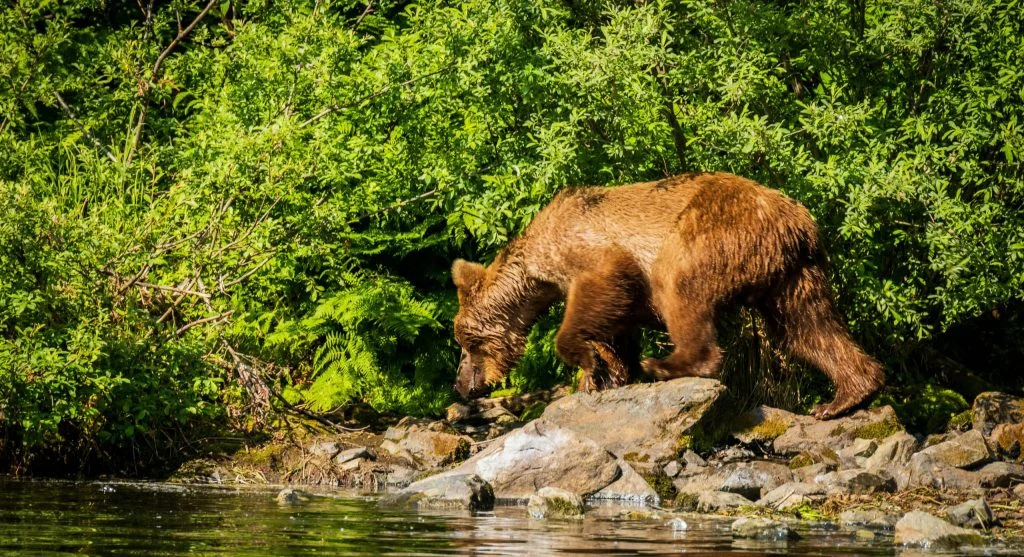
Credit: Lamont Mead / Pexels
Frequently Asked Questions
Q: Do bears naturally hunt humans?
A: Wildlife experts explain that most bears usually avoid people unless surprised or threatened.
Q: Are bears fast runners?
A: Yes. Bears can run surprisingly fast over short distances despite their large size.
Q: What do bears eat?
A: Many bears eat berries, plants, insects, fish, nuts, and occasionally meat depending on species and habitat.
Q: Do bears truly hibernate all winter?
A: Bears enter seasonal resting periods but may wake occasionally during winter denning.
Q: Why are bears important for ecosystems?
A: Bears contribute to biodiversity, seed dispersal, and ecosystem balance in natural habitats.
Key Takeaway
Understanding the truth behind common bear myths helps improve wildlife awareness, outdoor safety, and conservation education. Bears are intelligent animals that play important ecological roles within forests and wilderness ecosystems. Wildlife experts continue encouraging respectful outdoor behavior and habitat protection that supports healthy bear populations and biodiversity.