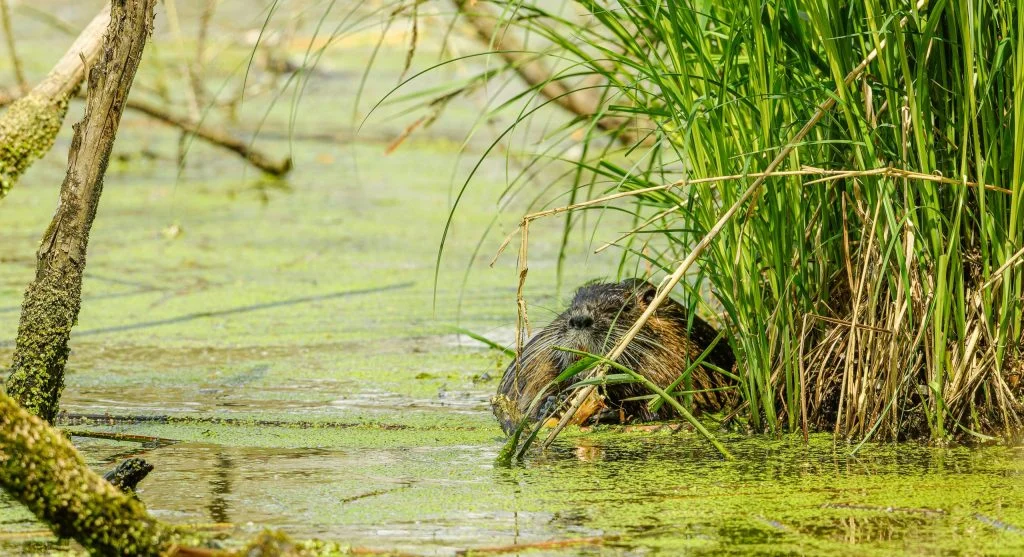
Beavers are large freshwater rodents known for building dams, lodges, and wetland habitats using branches, mud, and vegetation. These animals live near rivers, ponds, lakes, and forest streams where water movement shapes the surrounding ecosystem.
Wildlife researchers studying why beavers build dams explain that dam construction helps create safer habitats, deeper water, and improved survival conditions. Beaver activity also influences biodiversity by creating wetlands that support many other wildlife species.
Beavers Build Dams to Create Deep Water Habitats
One major reason why beavers build dams involves water depth. Wildlife experts explain that deeper ponds help protect beavers from predators and environmental changes.
Stable water levels improve access to lodges and underwater entrances.
Freshwater animal behavior often depends on habitat safety and shelter availability.
Dams Help Slow Water Movement
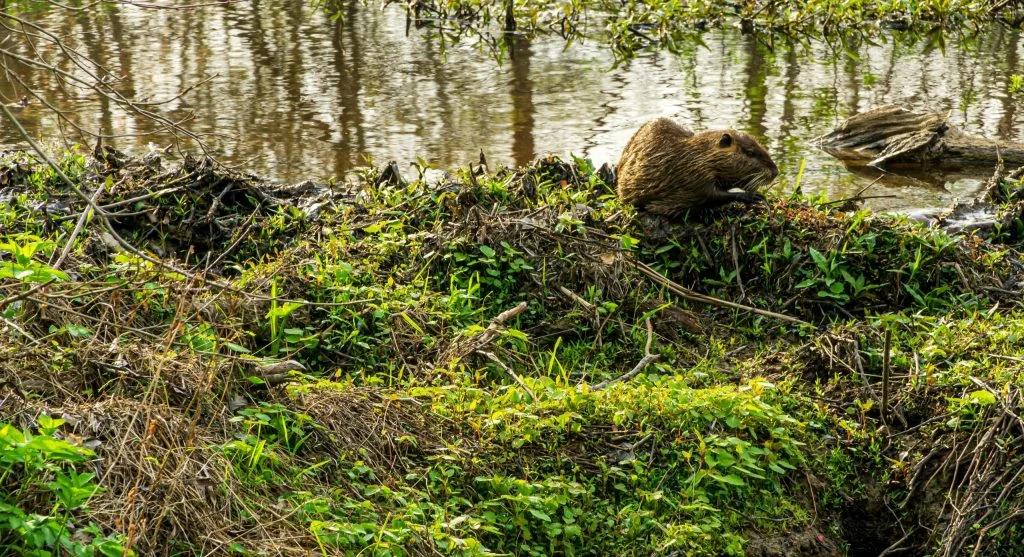
Beaver dams partially block streams and slow flowing water across ecosystems.
Wildlife researchers explain that slower water may create ponds, marshes, and wetland environments.
These habitats often support diverse plant and animal species.
Wetlands Created by Beavers Support Biodiversity
Wetland wildlife habitats created by beavers may attract birds, amphibians, fish, insects, and mammals.
Researchers explain that freshwater ecosystems often become more biologically diverse after wetland formation.
Healthy wetlands support complex ecosystem interactions.
Beavers Use Branches and Mud as Building Materials
Beavers gather wood, sticks, mud, and vegetation while constructing dams and lodges.
Wildlife experts explain that strong front teeth help cut branches and small trees efficiently.
Construction behavior remains one of the most remarkable examples of animal engineering.
Beaver Lodges Provide Shelter and Protection
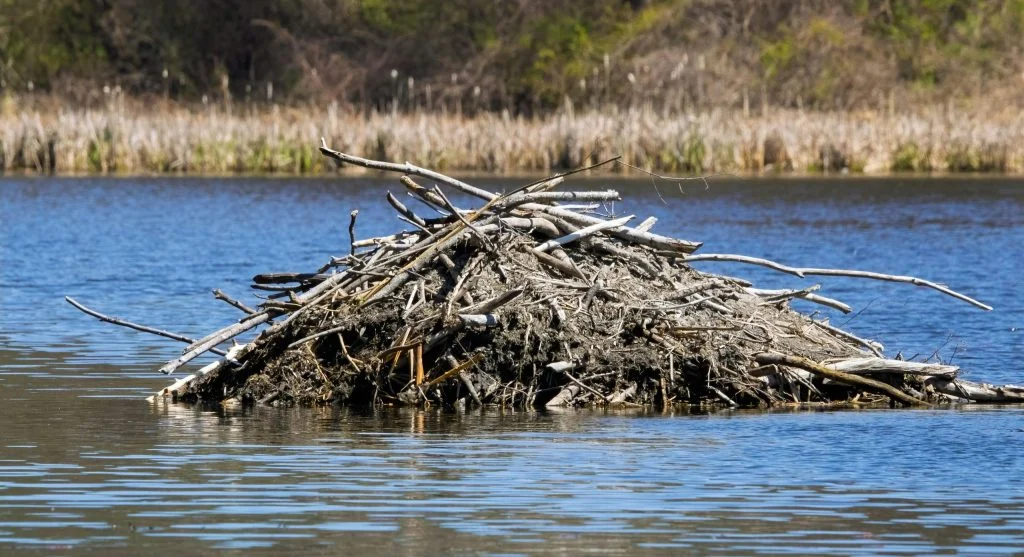
Beavers commonly build dome-shaped lodges within ponds created by their dams.
Wildlife researchers explain that underwater entrances may improve protection from predators.
Family groups often share lodge habitats together.
Seasonal Changes Influence Beaver Activity
Beavers remain active throughout the year and often prepare habitats before colder seasons arrive.
Wildlife experts explain that stored branches may provide winter food resources near lodges.
Environmental conditions influence freshwater ecosystem behavior.
Wetland Conservation Supports Freshwater Ecosystems
Freshwater habitats may face environmental pressure from pollution, habitat fragmentation, and ecosystem changes.
Researchers studying why beavers build dams emphasize the importance of protecting wetlands and maintaining biodiversity across freshwater regions.
Conservation organizations continue supporting wetland restoration and ecosystem monitoring programs worldwide.
Frequently Asked Questions
Q: Why do beavers build dams?
A: Beavers build dams to create deeper water habitats and safer living conditions.
Q: How do beaver dams affect ecosystems?
A: Beaver dams create wetlands that support biodiversity and freshwater habitats.
Q: What materials do beavers use for dams?
A: Beavers use branches, sticks, mud, and vegetation.
Q: Why are wetlands important for wildlife?
A: Wetlands provide food, shelter, and breeding habitats for many species.
Q: What threatens freshwater ecosystems?
A: Pollution, habitat loss, and environmental changes may affect wetlands.
Key Takeaway
Understanding why beavers build dams highlights the major influence animals can have on freshwater ecosystems and biodiversity. Dam construction, wetland creation, and habitat engineering all contribute to healthier ecosystems supporting many wildlife species. Wildlife researchers and conservation organizations continue emphasizing the importance of protecting wetlands and maintaining healthy freshwater habitats for long-term ecosystem stability.