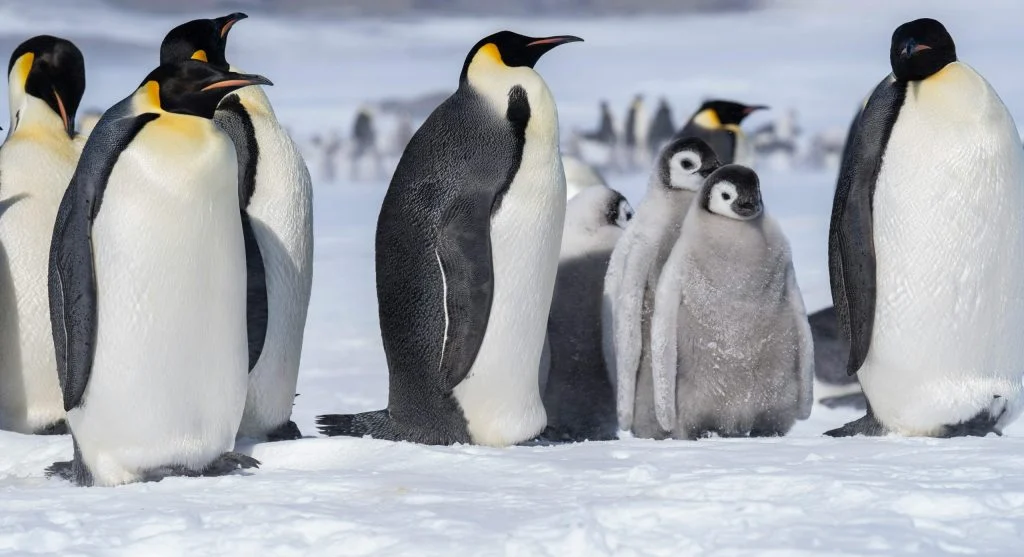
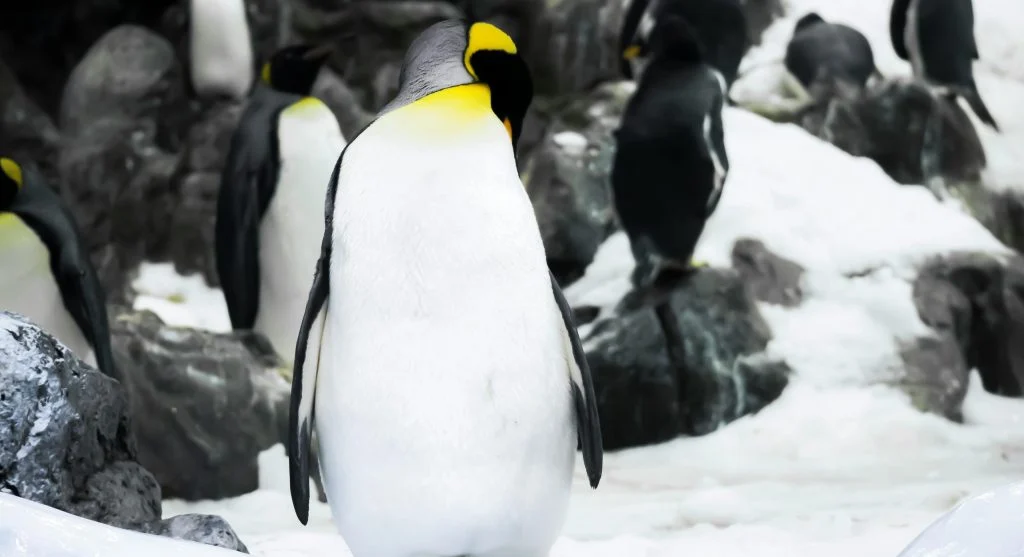
Penguins are flightless birds living in some of the coldest environments on Earth. Antarctic regions expose these animals to freezing temperatures, icy winds, snowstorms, and long winter darkness that create extremely difficult survival conditions.
Wildlife researchers studying how penguins stay warm explain that thick insulation, social behavior, and specialized body adaptations all help these birds survive harsh Antarctic ecosystems. Penguin colonies remain one of the most remarkable examples of cold-weather wildlife adaptation.
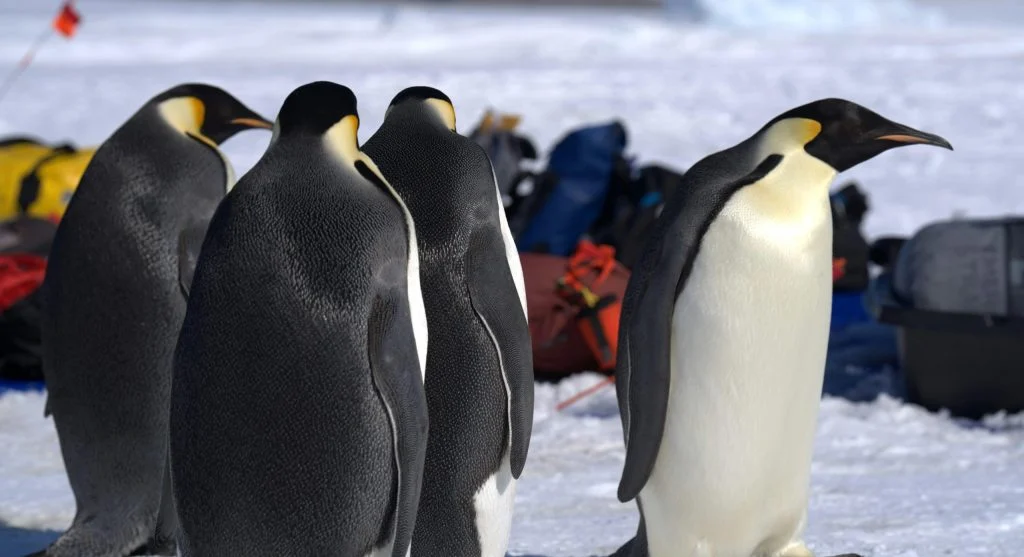
Penguins Use Dense Feathers for Insulation
One major reason how penguins stay warm involves their tightly packed waterproof feathers. Wildlife experts explain that dense feather layers trap insulating air close to the body.
This insulation helps reduce heat loss in freezing environments.
Cold weather bird behavior often depends on maintaining stable body temperature.
Body Fat Provides Additional Protection
Penguins also possess thick fat layers beneath the skin that help conserve body heat.
Wildlife researchers explain that insulation becomes especially important while swimming in icy water.
Marine and Antarctic animals often rely on multiple cold-weather adaptations together.
Penguins Huddle Together for Warmth
One of the best-known penguin survival adaptations involves group huddling behavior.
Wildlife experts explain that large penguin colonies gather closely together during severe weather conditions.
Shared body heat may help reduce exposure to freezing winds.
Penguins Rotate Positions Inside the Group
Researchers studying Antarctic wildlife facts explain that penguins sometimes rotate positions within huddles.
Birds standing on colder outer edges may gradually move toward warmer center areas.
This behavior helps distribute environmental exposure throughout the colony.
Compact Body Shape Helps Conserve Heat
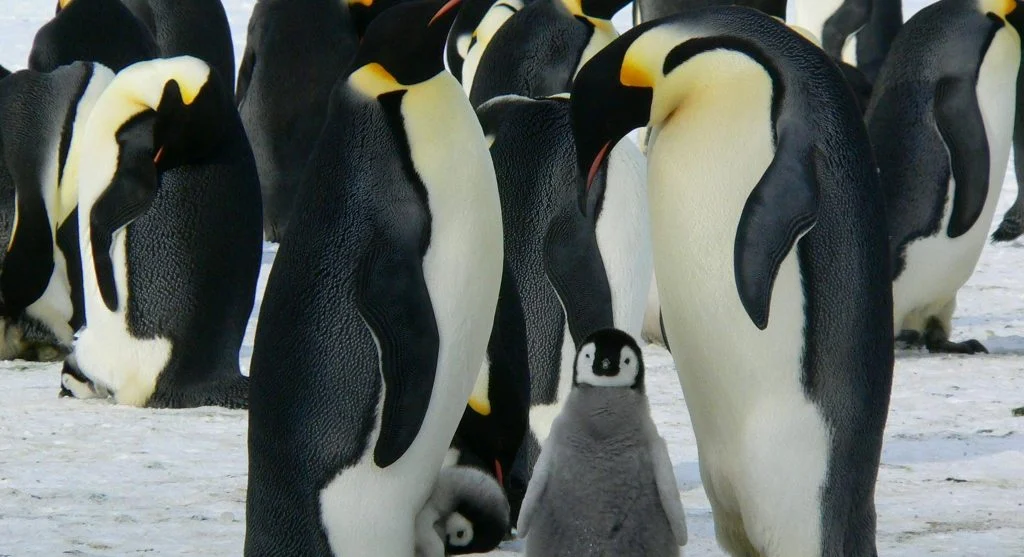
Penguins possess streamlined bodies with relatively short legs and wings adapted for swimming.
Wildlife researchers explain that compact body shape may help reduce heat loss in freezing climates.
Body structure often reflects environmental adaptation in wildlife species.
Antarctic Oceans Provide Important Food Sources
Penguins commonly feed on fish, krill, and other marine organisms found in Antarctic waters.
Wildlife experts explain that healthy marine ecosystems support feeding opportunities for many polar species.
Ocean biodiversity remains important for Antarctic wildlife survival.
Climate Conditions May Affect Polar Ecosystems
Environmental changes may influence sea ice conditions, marine food availability, and Antarctic habitats.
Researchers studying how penguins stay warm continue monitoring wildlife populations and ecosystem conditions across polar regions.
Conservation organizations emphasize the importance of protecting marine biodiversity and Antarctic ecosystems.
Frequently Asked Questions
Q: How do penguins stay warm in Antarctica?
A: Penguins use thick feathers, body fat, and huddling behavior for insulation.
Q: Why do penguins huddle together?
A: Huddling helps reduce heat loss and protect against freezing winds.
Q: What do penguins eat?
A: Penguins commonly feed on fish, krill, and marine organisms.
Q: Why are penguins adapted to cold weather?
A: Specialized insulation and social behavior help penguins survive freezing climates.
Q: What threatens Antarctic wildlife ecosystems?
A: Environmental changes may affect sea ice and marine food resources.
Key Takeaway
Understanding how penguins stay warm highlights the remarkable survival adaptations wildlife can develop in extreme polar environments. Thick insulation, social huddling behavior, and efficient body structure all help penguins survive freezing Antarctic conditions. Wildlife researchers and conservation organizations continue emphasizing the importance of protecting Antarctic ecosystems and maintaining marine biodiversity for polar species worldwide.