Wildlife corridors are protected pathways that help animals move safely between separated habitats. Forests, grasslands, wetlands, mountains, and river systems may all contain important movement routes used by wildlife searching for food, breeding areas, shelter, or seasonal migration pathways.
Researchers studying wildlife corridors explain that connected habitats help support biodiversity and improve survival opportunities for many species. Conservation organizations continue emphasizing the importance of habitat connectivity across natural ecosystems worldwide.
Wildlife Corridors Connect Separated Habitats
One major benefit of wildlife corridors involves habitat connection. Wildlife experts explain that roads, cities, fences, and development may divide natural ecosystems into smaller isolated areas.
Connected pathways help animals travel more safely between feeding and breeding habitats.
Habitat connectivity remains important for long-term biodiversity conservation.
Migration Routes Depend on Safe Movement Areas
Many species travel seasonally between different ecosystems during migration periods.
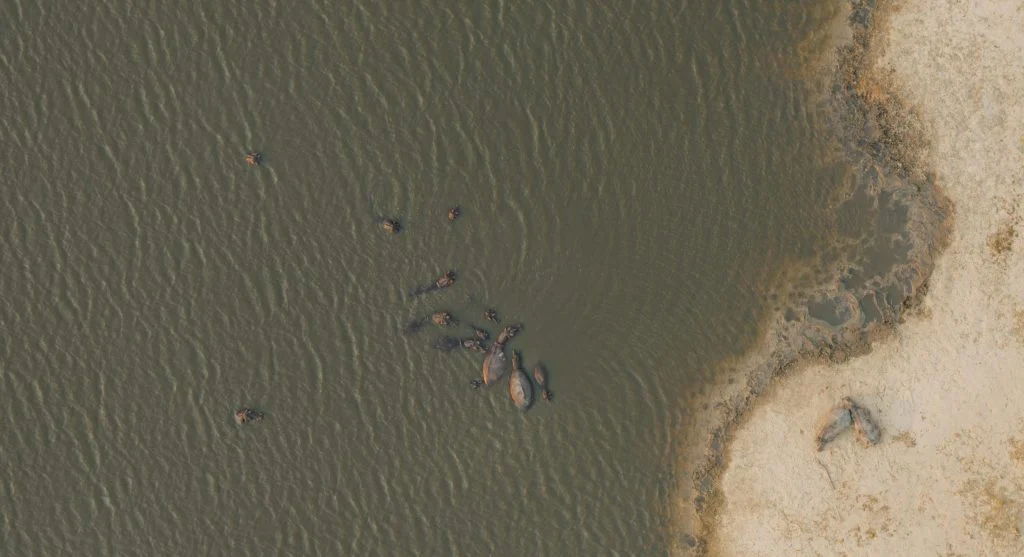
Wildlife researchers explain that migration routes may cross forests, wetlands, rivers, mountains, and grasslands.
Protected corridors can help reduce environmental barriers affecting wildlife movement.
Wildlife Crossings May Reduce Road Risks
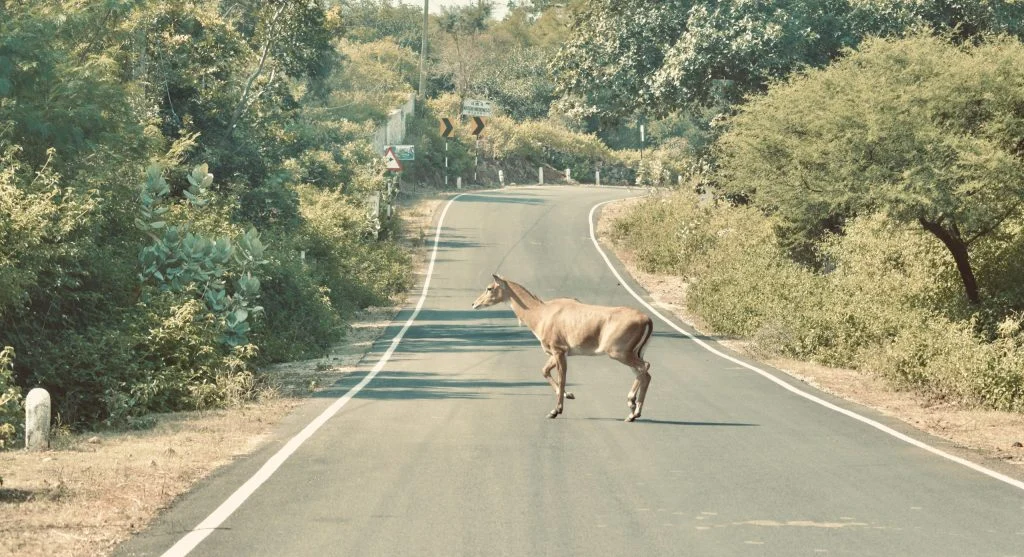
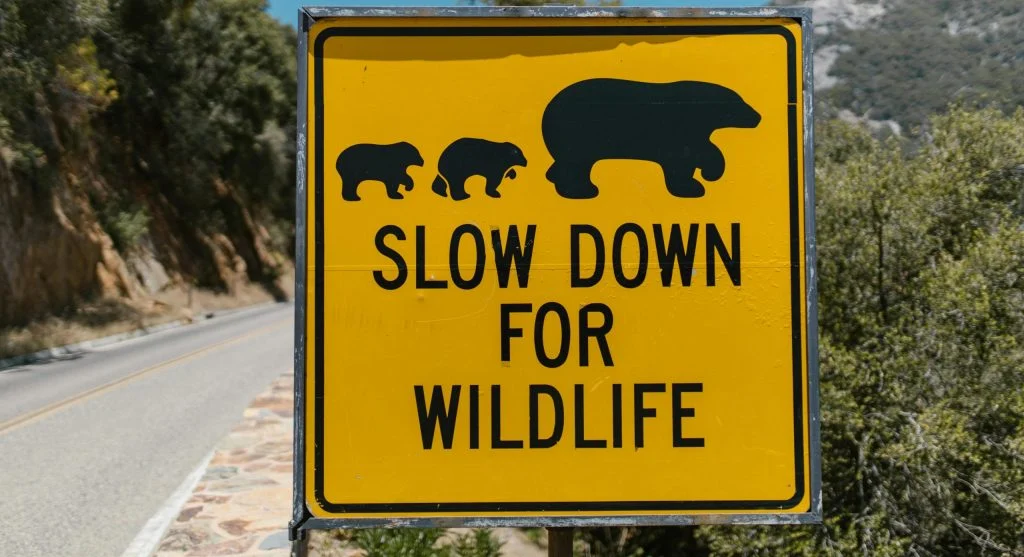
Roadways sometimes interrupt natural animal movement patterns. Conservation specialists explain that wildlife bridges and underpasses may help animals cross roads more safely.
Some wildlife crossings are designed specifically for local ecosystem conditions.
Reducing animal-vehicle collisions benefits both wildlife and transportation safety.
Connected Ecosystems Support Biodiversity
Wildlife experts explain that isolated animal populations may face environmental pressure if movement becomes restricted.
Connected habitats help support healthier biodiversity and ecosystem stability.
Movement between ecosystems may improve feeding, breeding, and survival opportunities.
Different Species Use Corridors in Different Ways
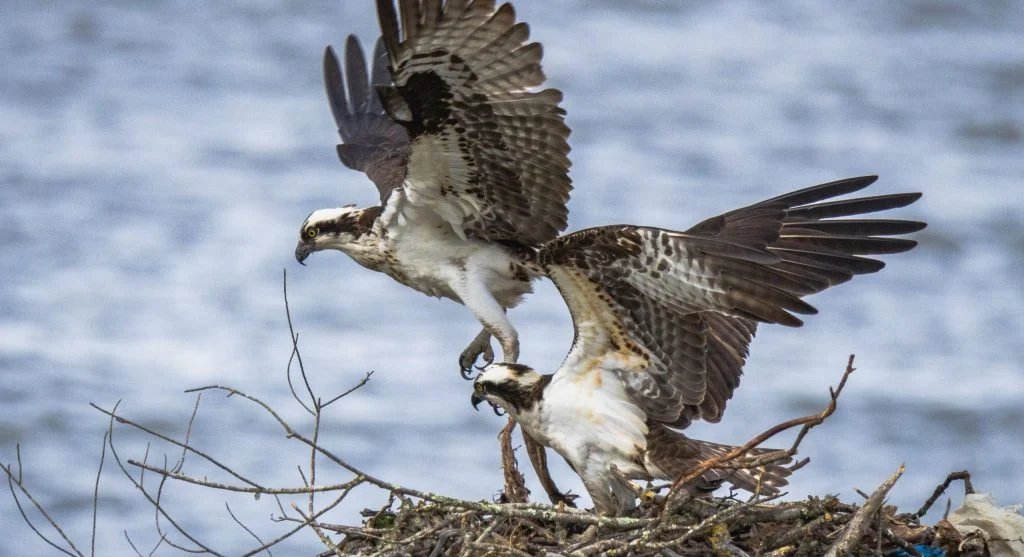
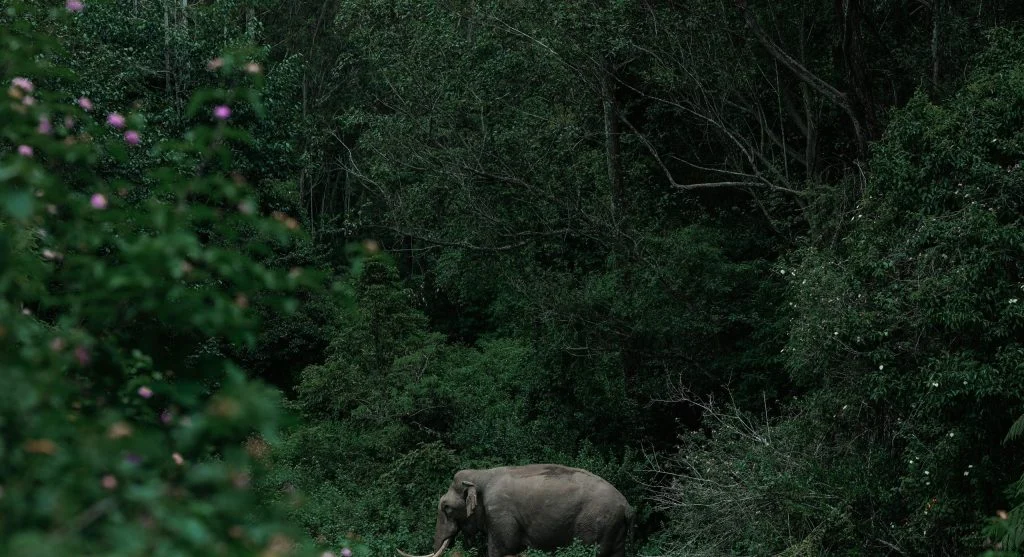
Large mammals, birds, reptiles, amphibians, and insects may all use habitat corridors depending on ecosystem conditions.
Wildlife researchers explain that movement patterns vary between species and environments.
Some animals migrate seasonally while others move regularly between feeding areas.
Healthy Vegetation Helps Corridor Effectiveness
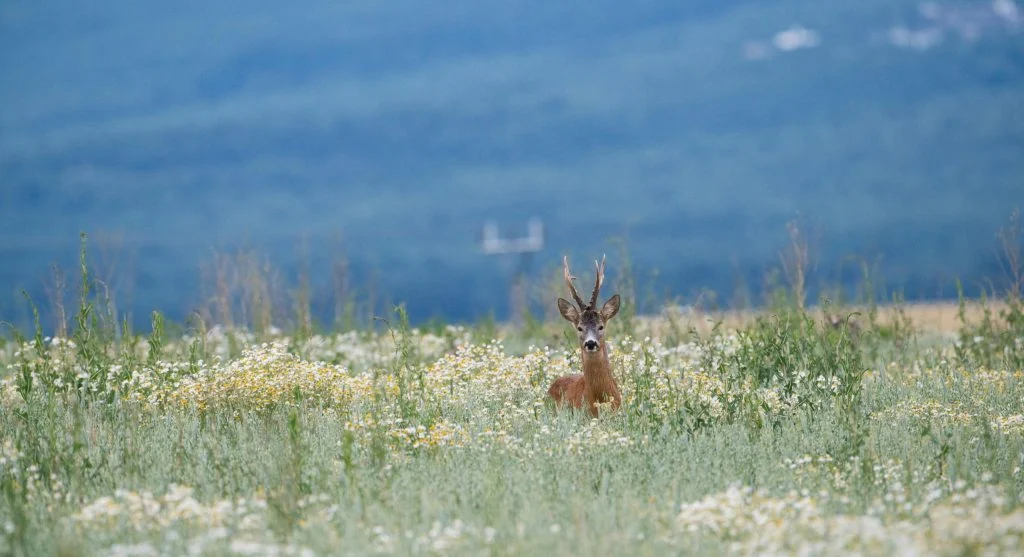
Natural vegetation often provides shelter, food, and safer travel conditions for wildlife using corridors.
Environmental experts explain that forests, grasslands, and wetlands may all contribute to effective movement pathways.
Habitat quality remains important for wildlife survival.
Conservation Programs Continue Expanding Habitat Protection
Conservation organizations and researchers continue supporting projects involving habitat restoration and ecosystem connection.
Researchers studying wildlife corridors emphasize the importance of maintaining biodiversity and reducing habitat fragmentation.
Healthy connected ecosystems support long-term wildlife conservation worldwide.
Frequently Asked Questions
Q: What are wildlife corridors?
A: Wildlife corridors are pathways that help animals move safely between habitats.
Q: Why are wildlife corridors important?
A: They support migration, biodiversity, and safer animal movement across ecosystems.
Q: How do wildlife crossings help animals?
A: Bridges and underpasses may reduce road dangers and habitat fragmentation.
Q: What animals use wildlife corridors?
A: Mammals, birds, reptiles, amphibians, and insects may all use habitat corridors.
Q: Why is habitat connectivity important?
A: Connected ecosystems improve survival and support healthy biodiversity.
Key Takeaway
Wildlife corridors play an important role in helping animals move safely between fragmented habitats while supporting biodiversity and ecosystem stability. Protected movement pathways, habitat restoration, and wildlife crossings all contribute to healthier ecosystems and safer migration opportunities for many species. Researchers and conservation organizations continue emphasizing the importance of habitat connectivity for long-term wildlife conservation efforts worldwide.