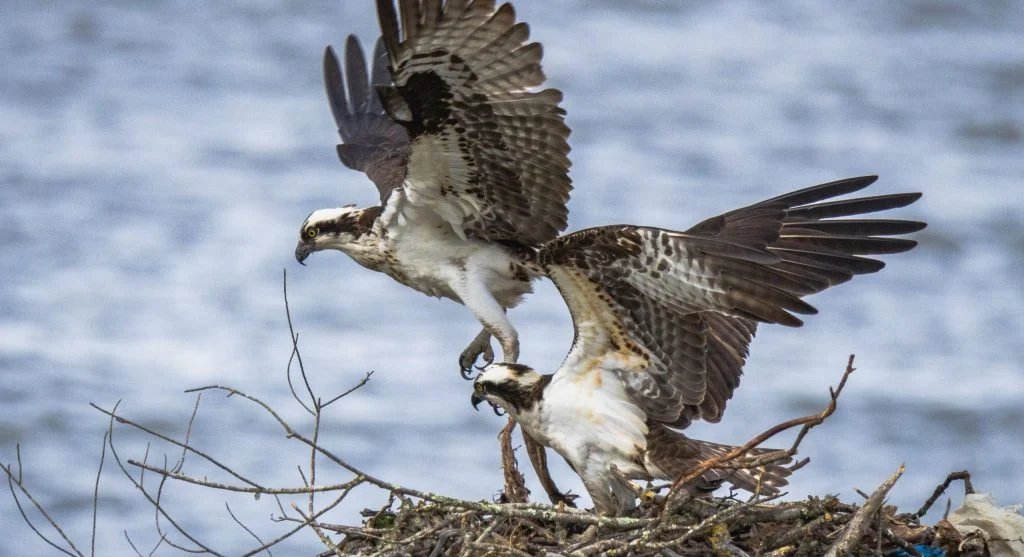
Rainforests are among the most biologically diverse ecosystems on Earth. These tropical environments support enormous numbers of plants, insects, birds, mammals, reptiles, amphibians, and microorganisms across layered forest habitats.
Researchers studying why rainforests are important explain that these ecosystems play major roles in biodiversity protection, climate stability, freshwater systems, and wildlife survival. Healthy rainforests support both local ecosystems and broader environmental balance worldwide.
Rainforests Support Incredible Biodiversity
One major reason why rainforests are important involves species diversity. Tropical rainforests contain thousands of animal and plant species living together within relatively small regions.
Wildlife experts explain that warm temperatures, heavy rainfall, and dense vegetation create favorable conditions for many forms of life.
Rainforest biodiversity includes animals ranging from insects and frogs to large mammals and colorful birds.
Different Forest Layers Create Multiple Habitats
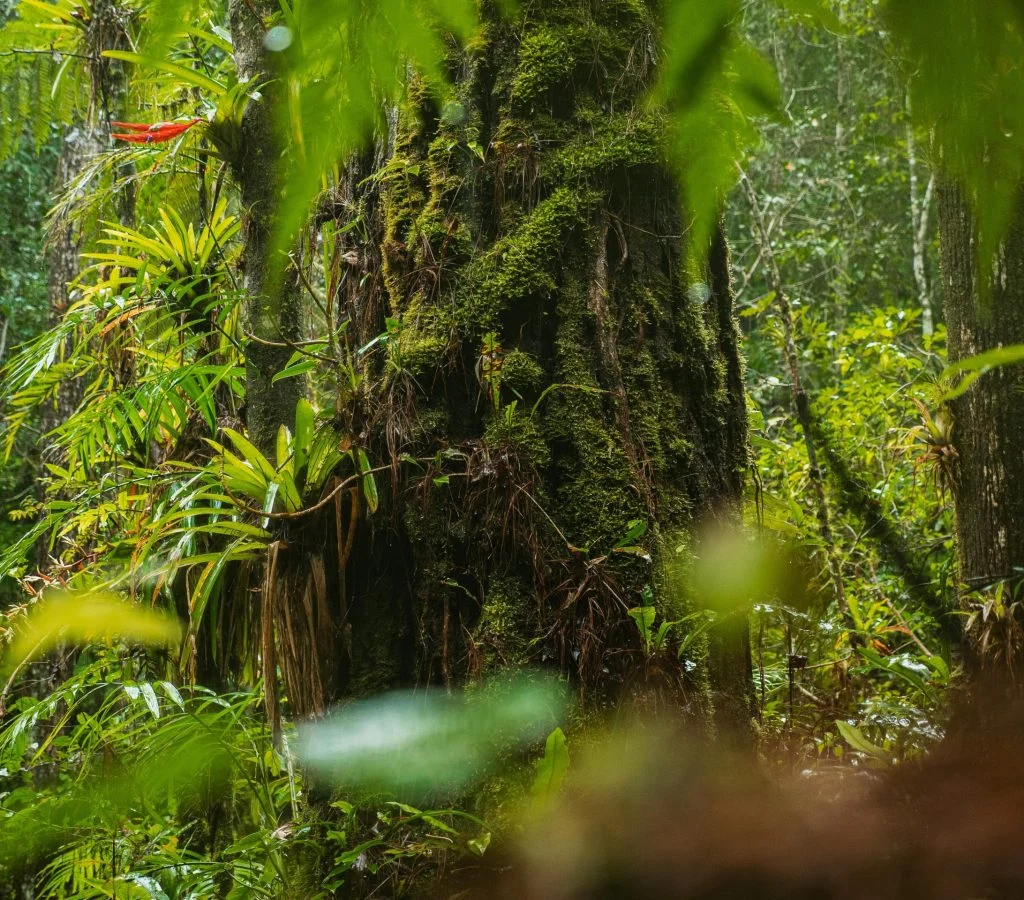
Rainforests contain several vertical layers, including the forest floor, understory, canopy, and emergent layer. Wildlife researchers explain that each level supports different species and environmental conditions.
Some animals spend most of their lives high in tree canopies, while others remain near the forest floor.
This layered habitat structure helps increase biodiversity throughout rainforest ecosystems.
Rainforests Help Regulate Water Systems
Rainforest vegetation absorbs, stores, and releases large amounts of water through natural environmental processes. Researchers explain that forests influence rainfall patterns and freshwater cycles across surrounding regions.
Healthy tropical ecosystems also help reduce soil erosion and improve water quality.
Rivers flowing through rainforests often support rich freshwater biodiversity.
Many Species Depend Entirely on Rainforest Habitats
Some wildlife species are highly specialized and survive only within rainforest environments. Wildlife experts explain that habitat loss may create serious risks for species with limited geographic ranges.
Birds, amphibians, insects, and mammals often rely on stable rainforest conditions for food and shelter.
Protecting tropical wildlife habitats helps support long-term ecosystem stability.
Rainforests Contribute to Climate Stability
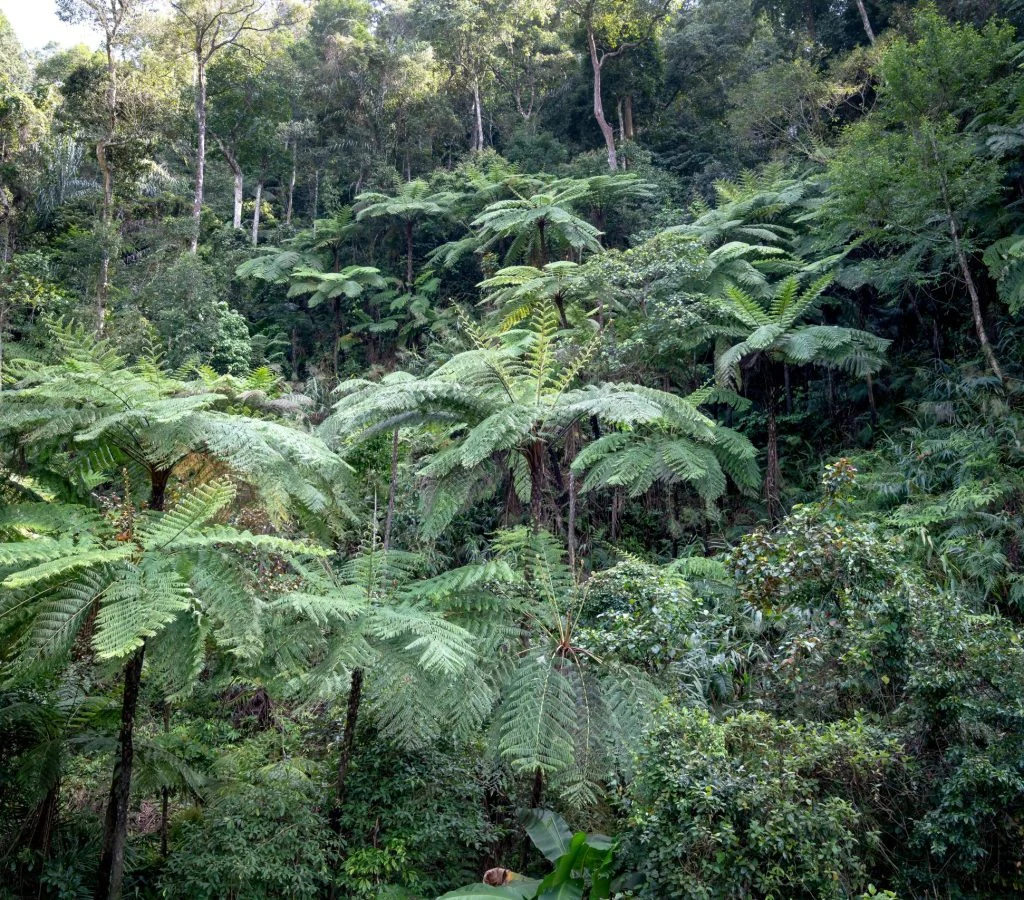
Environmental researchers continue studying how forests influence global climate systems. Rainforests absorb carbon dioxide and help regulate atmospheric conditions through natural biological processes.
Large forest ecosystems also influence temperature and moisture patterns in nearby regions.
Conservation experts explain that protecting forests remains important for long-term environmental stability.
Deforestation Can Affect Ecosystem Balance
Deforestation, habitat fragmentation, pollution, and illegal wildlife activity can damage rainforest ecosystems.
Wildlife conservation organizations continue supporting protected areas, reforestation projects, and biodiversity monitoring programs.
Researchers studying ecosystem conservation emphasize the importance of balancing environmental protection with sustainable resource management.
Rainforests Support Scientific Research and Education
Rainforests provide opportunities for scientists to study biodiversity, plant adaptation, animal behavior, and ecosystem relationships.
Wildlife researchers continue discovering new species and learning more about ecological interactions within tropical forests.
Environmental education programs also help increase public awareness about rainforest protection and biodiversity conservation.
Frequently Asked Questions
Q: Why are rainforests important for wildlife?
A: Rainforests provide food, shelter, and breeding habitats for thousands of species.
Q: What animals live in rainforests?
A: Birds, monkeys, insects, reptiles, amphibians, and many mammals live in rainforest ecosystems.
Q: How do rainforests affect water systems?
A: Rainforests help regulate rainfall, freshwater cycles, and water quality.
Q: Why is rainforest biodiversity important?
A: Biodiversity supports ecosystem stability and healthy environmental relationships.
Q: What threatens rainforests?
A: Deforestation, habitat fragmentation, pollution, and environmental pressure can threaten rainforest ecosystems.
Key Takeaway
Understanding why rainforests are important highlights the major role these ecosystems play in supporting biodiversity, climate stability, and freshwater systems worldwide. Rainforests provide essential habitats for countless species while helping regulate environmental balance across large regions. Wildlife researchers and conservation organizations continue emphasizing the importance of protecting tropical forests and promoting long-term ecosystem conservation efforts.