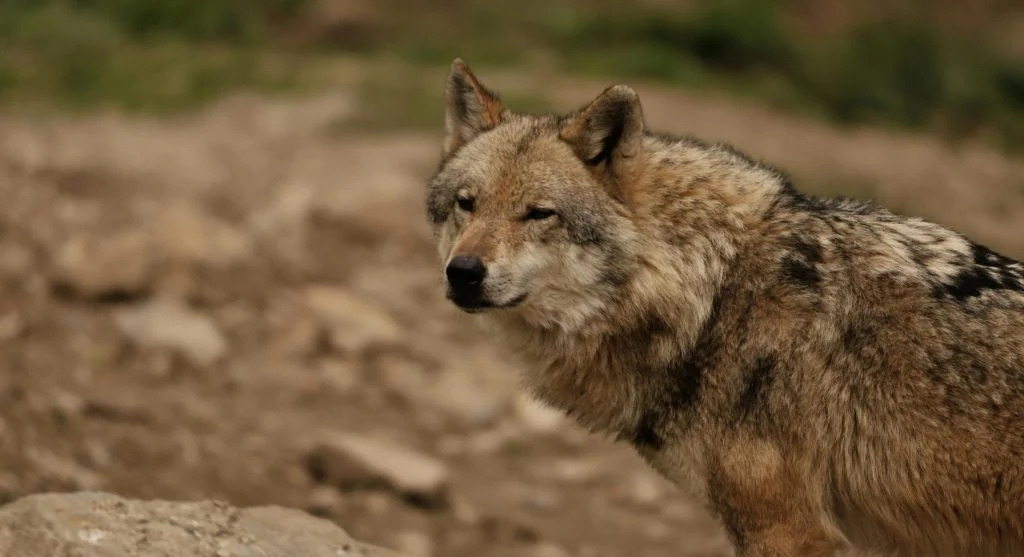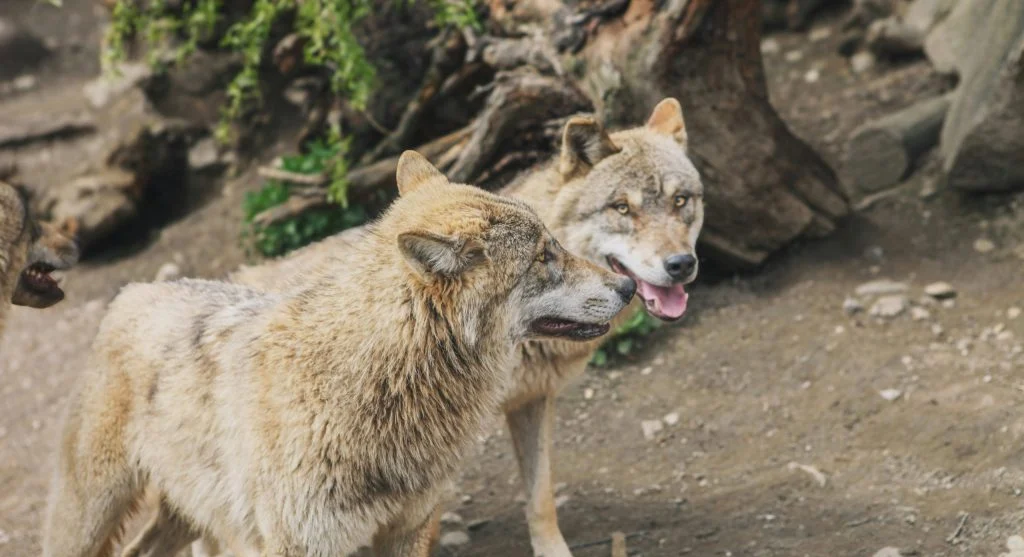
Wolves are highly social animals living in organized packs across forests, grasslands, mountains, and northern wilderness ecosystems. These predators depend heavily on communication while traveling, hunting, protecting territory, and maintaining social relationships within the pack.
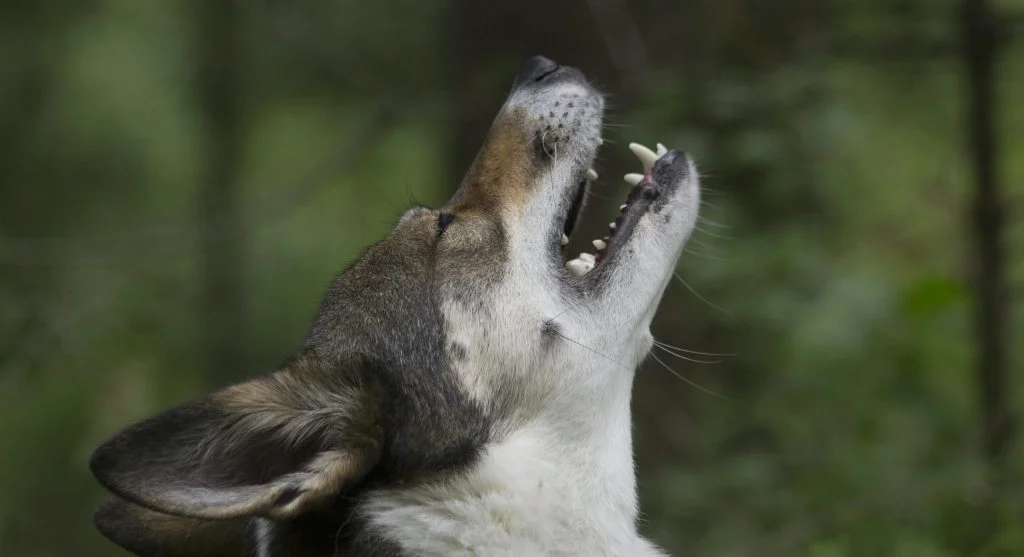
Wildlife researchers studying why wolves howl explain that howling serves several important purposes involving coordination, territory awareness, and long-distance communication. Wolf vocal behavior remains one of the most recognizable sounds in natural wilderness habitats.
Howling Helps Wolves Communicate Across Long Distances
One major reason why wolves howl involves long-distance communication. Wildlife experts explain that wolf howls can travel across forests, valleys, and open wilderness areas.
Pack members may use vocal calls to locate one another during movement.
Communication remains important for animals living across large territories.
Wolves Use Howling to Maintain Pack Connections
Pack animal behavior often depends on strong social coordination. Wildlife researchers explain that wolves may howl to strengthen group awareness and maintain social bonds.
Young wolves also learn communication patterns from older pack members.
Social interaction supports cooperation within the pack structure.
Territory Awareness Is Another Important Purpose
Wolves commonly live within territories that may overlap with other wildlife populations.
Wildlife experts explain that howling can help signal pack presence across wilderness regions.
Territorial communication may reduce unnecessary conflicts between groups.
Different Vocal Sounds Carry Different Meanings
In addition to howling, wolves use growls, barks, whines, and body language while communicating.
Researchers studying wolf communication behavior explain that vocal sounds may vary depending on environmental situations.
Animal communication often involves multiple behaviors working together.
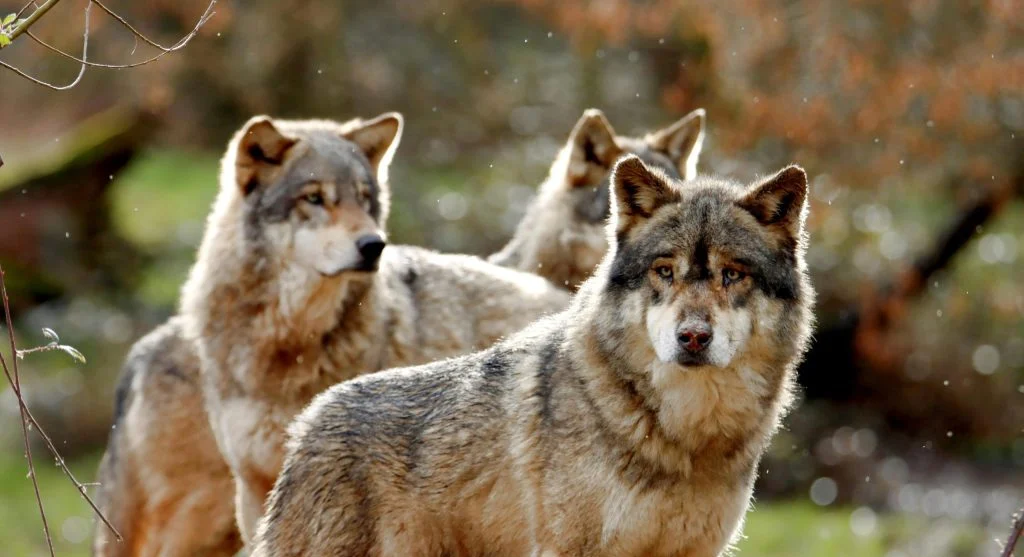
Wilderness Habitats Support Wolf Survival
Forests, mountains, tundra, and grasslands provide shelter, prey availability, and movement space for wolf populations.
Wildlife specialists explain that healthy ecosystems support balanced predator-prey relationships.
Large wilderness habitats remain important for wide-ranging species.
Wolves Play Roles in Ecosystem Balance
Predators contribute to ecosystem stability through natural food chain relationships.
Researchers explain that predator activity may influence prey movement and habitat use within ecosystems.
Biodiversity often depends on balanced wildlife interactions.
Conservation Monitoring Continues in Many Regions
Wildlife researchers continue monitoring wolf populations, habitat conditions, and ecosystem biodiversity across different wilderness environments.
Scientists studying why wolves howl emphasize the importance of habitat protection and healthy ecosystem management.
Conservation organizations support long-term biodiversity and wildlife research programs involving predator species.
Frequently Asked Questions
Q: Why do wolves howl?
A: Wolves howl for communication, territory awareness, and pack coordination.
Q: Can wolf howls travel long distances?
A: Yes. Howls may travel across forests and open wilderness habitats.
Q: Do wolves live alone?
A: Wolves commonly live in organized social packs.
Q: Why are wolves important for ecosystems?
A: Wolves contribute to balanced predator-prey relationships and ecosystem stability.
Q: What habitats do wolves live in?
A: Wolves inhabit forests, grasslands, mountains, tundra, and wilderness ecosystems.
Key Takeaway
Understanding why wolves howl highlights the importance of communication and social behavior within wilderness predator species. Long-distance vocalization, territory awareness, and pack coordination all contribute to wolf survival across natural ecosystems. Wildlife researchers and conservation organizations continue emphasizing the importance of protecting wilderness habitats and maintaining biodiversity for predator species worldwide.