Modern roads make travel easier for people, but they can create major problems for wildlife. Highways often cut through forests, grasslands, wetlands, and other natural habitats, dividing them into smaller sections. Animals that once moved freely across wide landscapes may suddenly face dangerous traffic while searching for food, water, mates, or seasonal habitats.
To help solve this growing problem, engineers and conservationists have developed wildlife crossings. These specially designed structures allow animals to move safely across roads while also reducing collisions with vehicles. Wildlife crossings are becoming an increasingly important conservation tool in many parts of the world.
Researchers studying wildlife crossings over highways explain that these structures do more than protect animals from traffic. They also help reconnect ecosystems that have been divided by transportation networks.
Roads Can Divide Natural Habitats
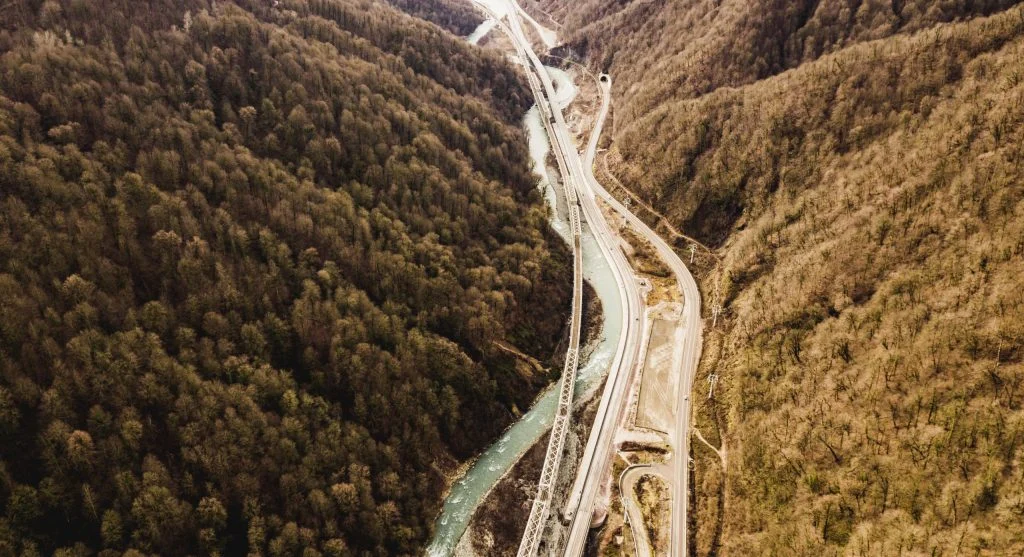
One of the biggest challenges facing wildlife today is habitat fragmentation.
Researchers explain that roads, cities, and other development can split large ecosystems into smaller pieces.
When habitats become fragmented, animals may struggle to reach the resources they need to survive.
Species that rely on seasonal movement can be especially affected.
Over time, isolated populations may face added problems related to genetic diversity and long-term survival.
Animals Still Need to Move
Many species move regularly throughout the year.
Deer may travel between feeding areas, bears may search for seasonal food sources, and amphibians may migrate to breeding wetlands.
Researchers explain that movement is a normal and necessary part of wildlife behavior.
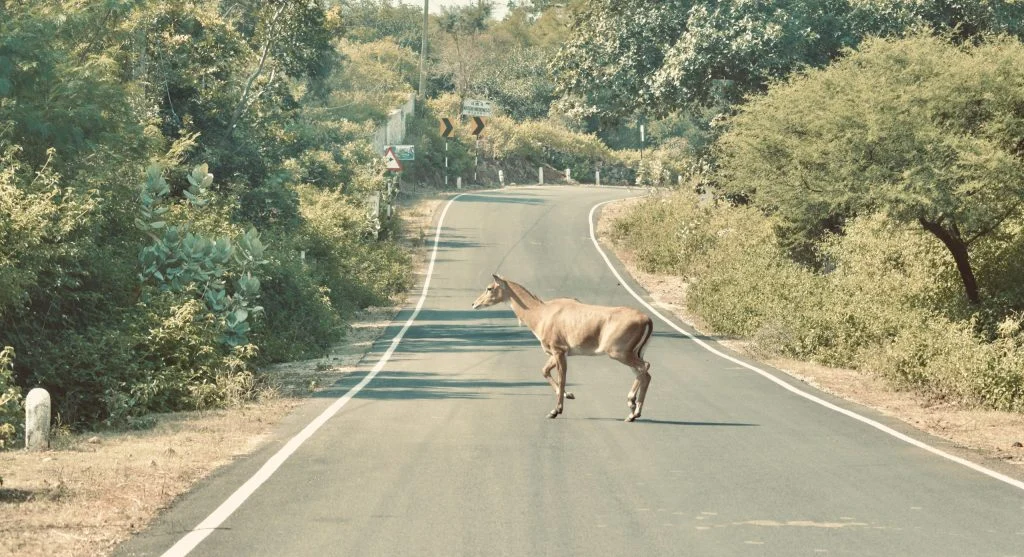
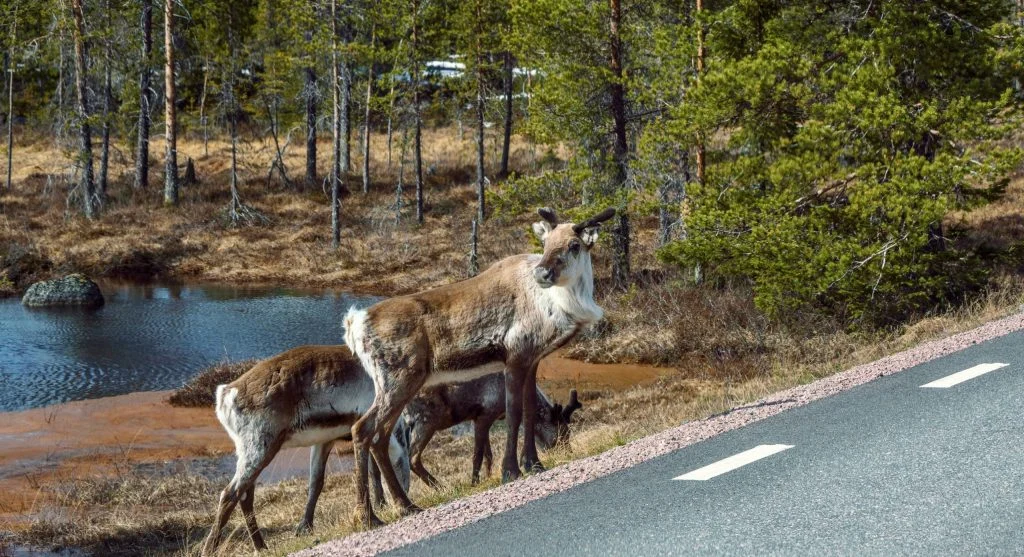
When roads block traditional routes, animals often try to cross through traffic.
This can lead to vehicle collisions that harm both wildlife and people.
What Is a Wildlife Crossing?
A wildlife crossing is a structure built specifically to help animals move safely across roads.
Some crossings are constructed above highways as vegetated bridges, while others pass beneath roads through tunnels or culverts.
Researchers explain that the goal is to create a safe route that animals feel comfortable using.
These structures are often designed to look and function as much like natural habitat as possible.
Native plants, natural soil, and fencing may be added to encourage animals to use the crossing.
Different Species Need Different Designs
Not all animals use crossings in the same way.
Large mammals such as elk, deer, and bears may prefer wide overpasses.
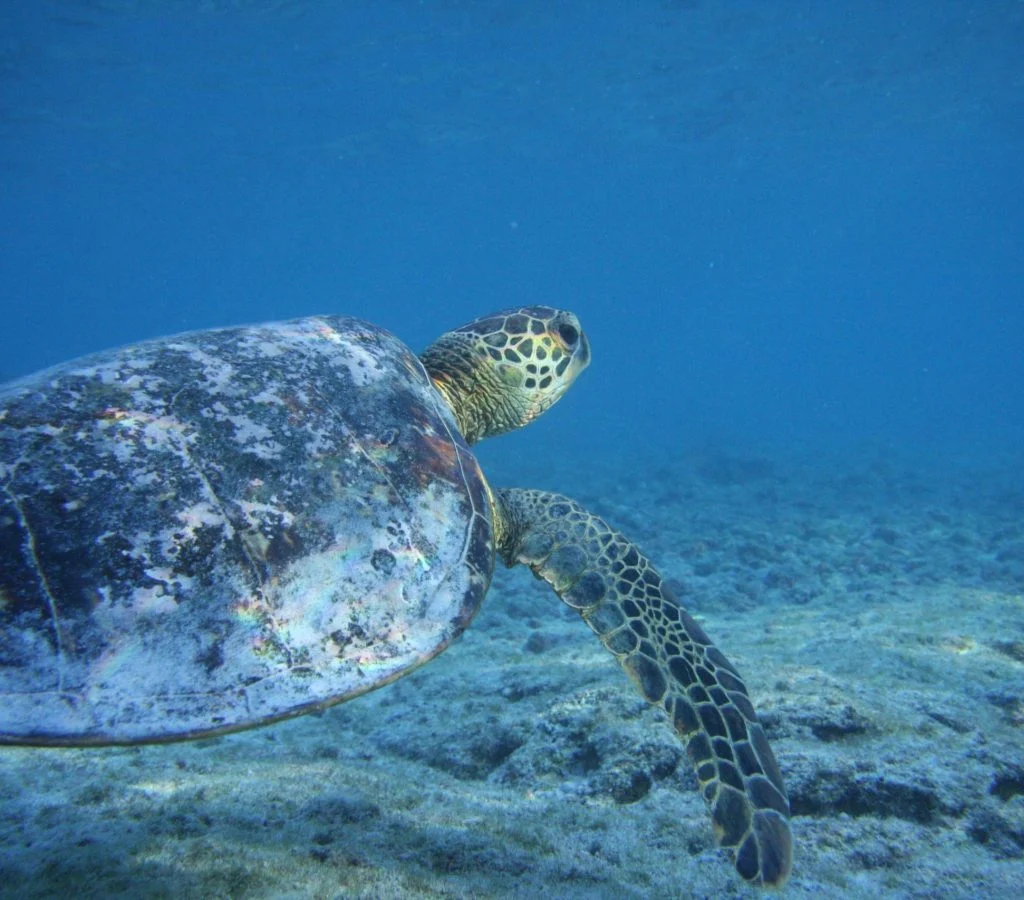
Smaller animals, including turtles, frogs, and reptiles, often benefit from underground tunnels.
Researchers explain that understanding animal behavior is essential when designing effective crossings.
Each project is usually shaped around the needs of local wildlife.
Reducing Wildlife-Vehicle Collisions
One of the most immediate benefits of wildlife crossings is improved safety.
Collisions involving large animals can cause serious vehicle damage and injuries.
Researchers have found that wildlife crossings, when combined with roadside fencing, can greatly reduce collision rates.
Fencing helps guide animals toward safe crossing points instead of letting them enter traffic directly.
This benefits both wildlife populations and drivers.
Crossings Help Maintain Genetic Diversity
Healthy wildlife populations depend on genetic exchange.
When animal groups become separated by roads, opportunities for breeding between populations may decline.
Researchers explain that wildlife crossings help reconnect divided habitats.
This movement allows animals from different areas to interact and reproduce.
Maintaining genetic diversity improves population resilience over time.
Monitoring Helps Measure Success
Scientists often use cameras and tracking technology to monitor wildlife crossings.
Researchers explain that these tools show which species are using the structures and how often crossings occur.
Monitoring data helps improve future designs.
Many studies have documented successful use by mammals, birds, reptiles, and amphibians.
The results often show meaningful conservation benefits.
Wildlife Crossings Are Expanding Worldwide
Many countries have invested in wildlife crossing projects.
Examples can be found across North America, Europe, Asia, and Australia.
Researchers explain that growing awareness of habitat fragmentation has increased support for these conservation solutions.
New projects continue to be developed as transportation networks expand.
Each successful crossing adds useful information for future efforts.
Climate Change Increases the Importance of Connectivity
Environmental conditions are changing in many regions.
Some species may need to shift their ranges as temperatures and habitats change.
Researchers explain that connected landscapes improve wildlife’s ability to respond to environmental change.
Wildlife crossings help maintain movement corridors that may become even more important in the future.
Habitat connectivity is now considered a major conservation priority.
Communities Often Support These Projects
Wildlife crossings often receive support from conservation groups, transportation agencies, scientists, and local communities.
People recognize the value of reducing collisions while protecting biodiversity.
Educational programs can also help raise awareness about how roads affect wildlife.
Public support can play an important role in the success of these projects.
Researchers Continue Improving Designs
As more wildlife crossings are built, scientists continue learning how different species respond to different designs.
Research helps identify which structures work best for specific habitats and wildlife communities.
Advances in engineering and ecology continue improving conservation results.
Future crossings may become even more effective as knowledge grows.
Frequently Asked Questions
Q: What is a wildlife crossing?
A: A wildlife crossing is a bridge, tunnel, or passage designed to help animals cross roads safely.
Q: Why are wildlife crossings important?
A: They reduce collisions, reconnect habitats, and support wildlife movement.
Q: What animals use wildlife crossings?
A: Many species use them, including deer, bears, elk, reptiles, amphibians, and small mammals.
Q: Do wildlife crossings actually work?
A: Yes. Research has shown that they can significantly reduce wildlife-vehicle collisions and improve habitat connectivity.
Q: Why is habitat connectivity important?
A: Connected habitats allow animals to move, find resources, and maintain healthy populations.
Key Takeaway
Wildlife crossings over highways help animals move safely through landscapes that roads have divided. By reducing collisions, reconnecting habitats, and supporting healthy wildlife populations, these structures are one of today’s most practical and effective conservation solutions. As transportation networks continue to grow, wildlife crossings will likely become even more important for protecting biodiversity.