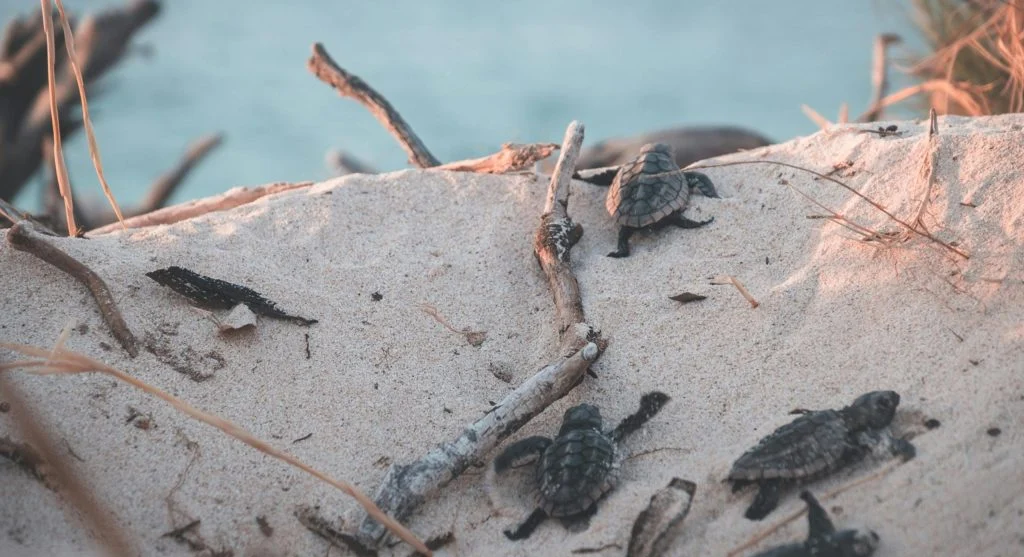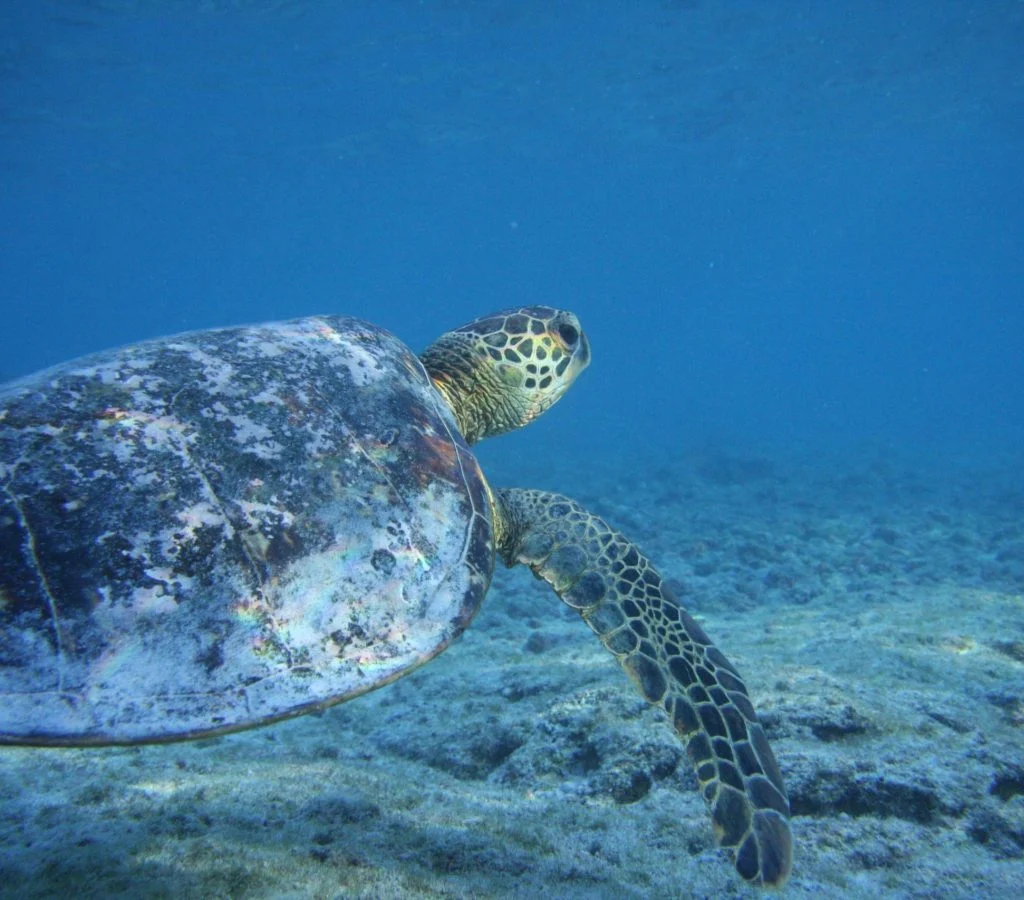
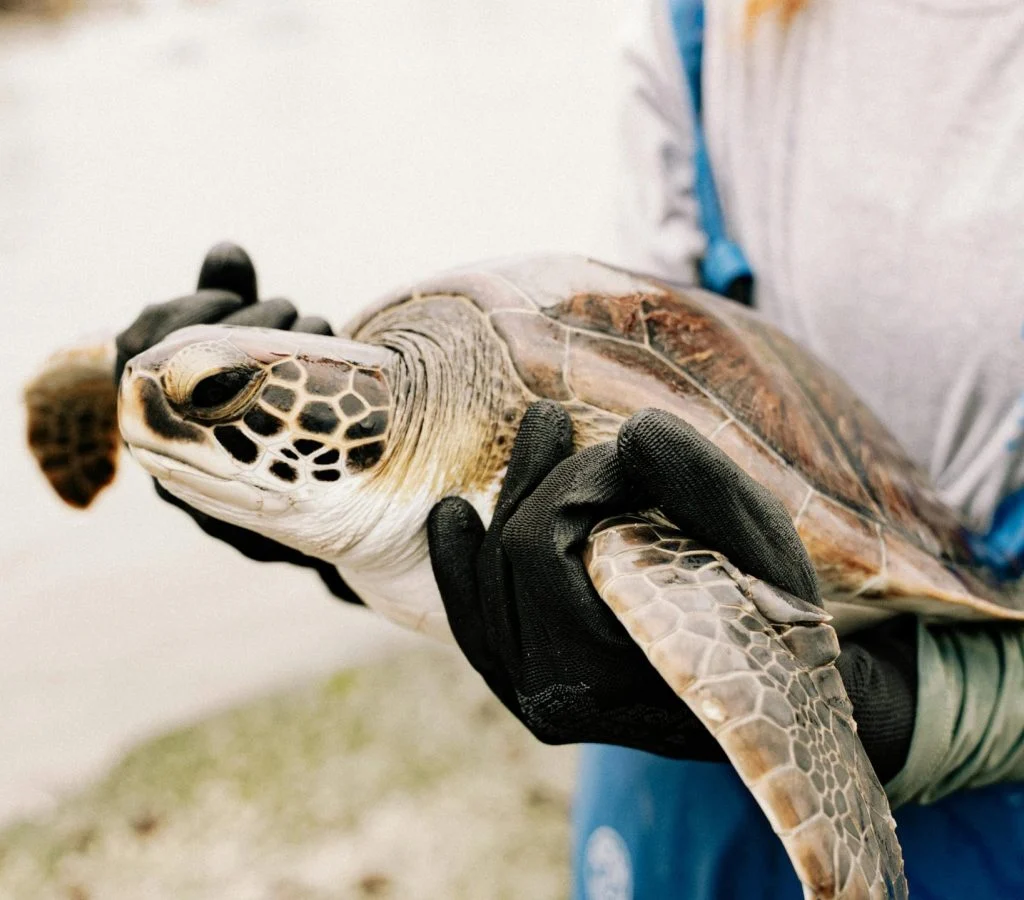
Sea turtles have lived in Earth’s oceans for millions of years, but several species now face serious environmental threats. Conservation experts continue working to protect nesting beaches, feeding grounds, and migration routes that are important for turtle survival.
Researchers studying sea turtle conservation explain that these marine animals play valuable roles in maintaining healthy ocean ecosystems. Protecting sea turtles also supports broader ocean conservation efforts that benefit coral reefs, seagrass beds, and coastal habitats.
Why Sea Turtle Conservation Is Important for Ocean Ecosystems
Sea turtles contribute to the balance of marine ecosystems in several ways. Different species help maintain healthy seagrass beds and coral reef systems while supporting nutrient movement across ocean habitats.
Marine wildlife protection researchers note that healthy seagrass areas provide shelter for fish and other ocean species. Some turtles feed on jellyfish, which may help balance marine food systems in certain regions.
Conservation groups explain that protecting endangered sea turtles can also support wider biodiversity throughout coastal ecosystems.
Plastic Pollution Remains a Major Threat
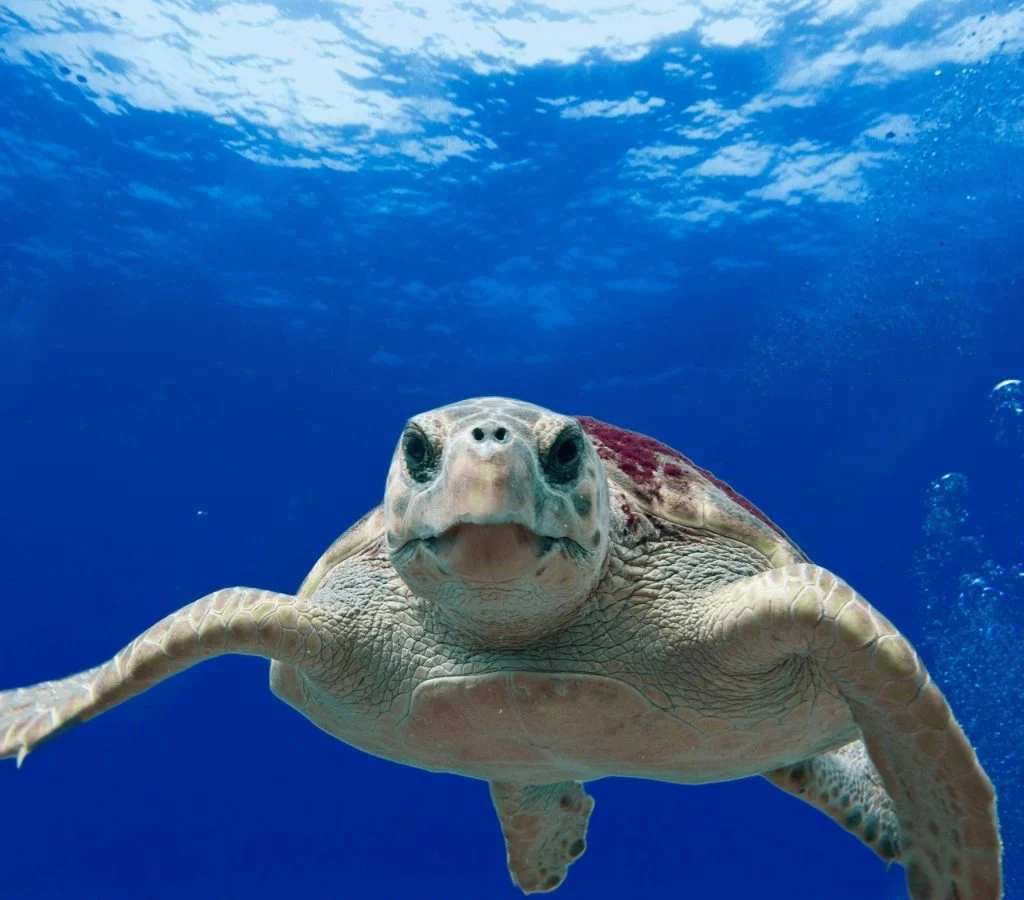
Plastic waste in oceans continues to create serious dangers for sea turtles. Marine researchers report that turtles may accidentally swallow floating plastic because it resembles food such as jellyfish or sea plants.
Entanglement is another growing concern. Discarded fishing gear, ropes, and plastic debris can trap turtles and limit movement or feeding ability.
According to ocean conservation efforts around the world, reducing plastic pollution remains one of the most important steps for improving marine wildlife protection.
Light Pollution Can Affect Turtle Nesting Behavior
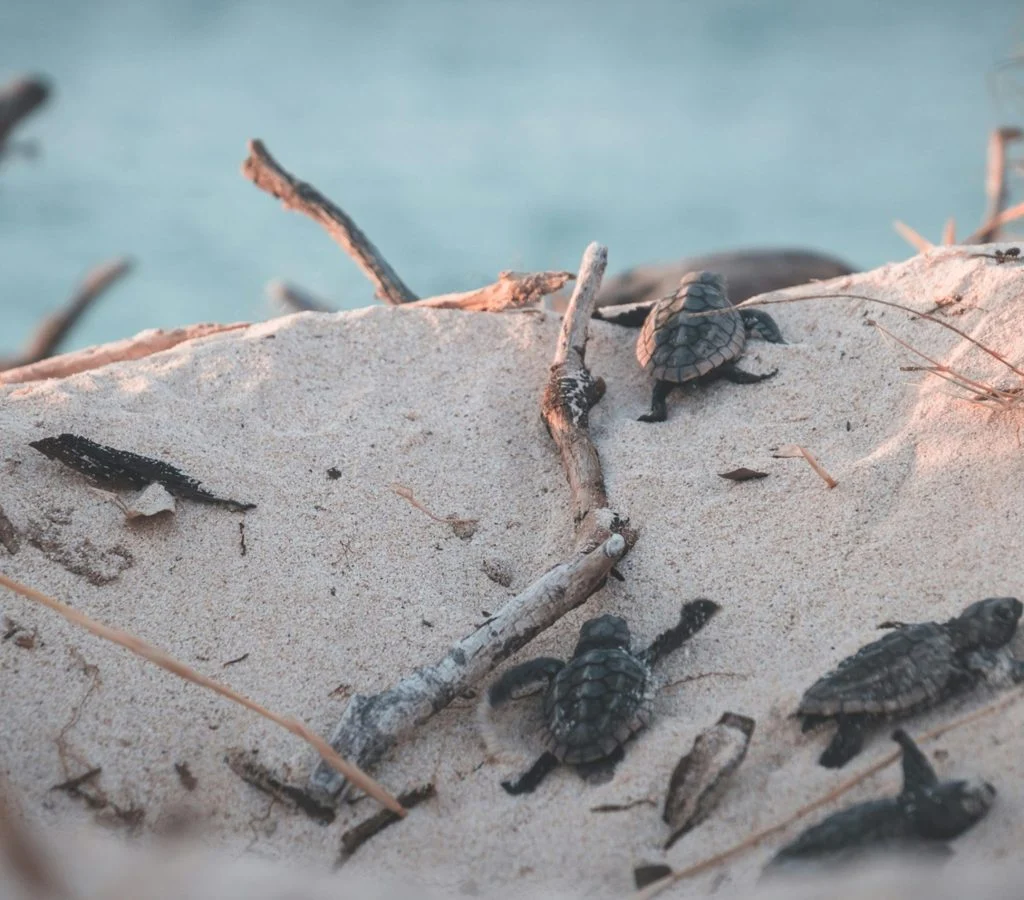
Artificial lighting near beaches may interfere with sea turtle nesting and hatchling survival. Female turtles often return to dark beaches to lay eggs, while hatchlings naturally move toward moonlight reflecting off the ocean.
Wildlife specialists explain that bright lights from buildings, roads, and beachfront areas may confuse hatchlings and direct them away from the water.
Many coastal conservation programs now encourage reduced nighttime lighting near important nesting beaches during sea turtle nesting seasons.
Climate Conditions May Influence Turtle Populations
Changing environmental conditions may affect sea turtle nesting patterns and food availability. Rising sand temperatures are closely monitored because temperature can influence hatchling development.
Marine conservation researchers also study how stronger storms, coastal erosion, and ocean warming may impact nesting beaches and migration routes.
Protecting nesting habitats and monitoring environmental changes remain major priorities for sea turtle conservation programs worldwide.
Fishing Activity Can Accidentally Harm Sea Turtles
Sea turtles sometimes become accidentally caught in commercial fishing equipment such as nets, hooks, or trawling systems. Conservation experts call this accidental capture “bycatch.”
Several marine wildlife protection programs now work with fishing industries to improve equipment designs and reduce turtle injuries. Turtle-friendly fishing methods continue expanding in some coastal regions.
Researchers note that international cooperation is important because sea turtles travel across large ocean territories during migration.
Protected Beaches Help Sea Turtle Recovery
Protected nesting beaches are one of the most effective tools used in sea turtle conservation. Conservation teams often monitor nesting activity, protect eggs from predators, and guide hatchlings toward safe ocean access.
According to wildlife organizations, some sea turtle populations have shown signs of recovery in areas where long-term habitat protection programs remain active.
Educational programs also help visitors understand how tourism activities may affect fragile nesting areas.
Public Awareness Supports Conservation Success
Wildlife experts explain that public awareness campaigns have become increasingly important for marine conservation efforts. Small actions by coastal visitors can reduce environmental pressure on turtle habitats.
Beach cleanups, responsible boating practices, reduced plastic use, and respectful wildlife viewing all support healthier marine environments.
Researchers studying endangered sea turtles believe long-term conservation success depends on both scientific protection efforts and public cooperation.
Frequently Asked Questions
Q: Why is sea turtle conservation important?
A: Sea turtle conservation supports healthy marine ecosystems, protects biodiversity, and helps maintain balanced ocean habitats.
Q: What threats do sea turtles face?
A: Sea turtles face threats from plastic pollution, habitat loss, accidental fishing capture, climate conditions, and light pollution near nesting beaches.
Q: How do protected beaches help sea turtles?
A: Protected beaches give turtles safer nesting areas while reducing disturbance from tourism, artificial lighting, and predators.
Q: Can plastic pollution harm sea turtles?
A: Yes. Turtles may accidentally swallow plastic debris or become trapped in discarded fishing equipment and marine waste.
Q: How can visitors help sea turtle conservation?
A: Visitors can reduce litter, avoid disturbing nesting sites, follow beach guidelines, and support responsible wildlife tourism practices.
Key Takeaway
Sea turtle conservation remains an important part of protecting healthy marine ecosystems around the world. Threats such as pollution, habitat loss, and accidental fishing injuries continue affecting turtle populations in many regions. Conservation experts believe long-term protection efforts, responsible tourism, and public awareness can help support endangered sea turtles and preserve ocean biodiversity for future generations.