Among marine animals, few creatures spark as much curiosity as the octopus. With eight flexible arms, impressive camouflage abilities, and strong problem-solving skills, octopuses are often viewed as some of the most intelligent animals in the ocean.
One behavior that has especially interested researchers is their habit of collecting objects from the seafloor. Divers and marine biologists have seen octopuses gathering shells, stones, coral fragments, and even discarded human-made items. At first, this behavior may seem unusual, but scientists have found that these collections often serve important survival purposes.
Researchers studying why octopuses collect objects explain that these materials can help with protection, shelter building, camouflage, and defense against predators. This behavior highlights the remarkable adaptability and intelligence of these fascinating marine animals.
Octopuses Live Without Permanent Protection
Unlike turtles, crabs, or many shellfish, octopuses do not have a hard external shell.
Their soft bodies give them flexibility, but they also make them vulnerable to predators. Sharks, large fish, seals, dolphins, and other marine hunters may prey on octopuses when the opportunity appears.
Researchers explain that because octopuses lack natural armor, they often depend on creativity and intelligence to improve their chances of survival.
Collecting objects from the seafloor is one of the many strategies they use to stay safe.
Objects Can Be Used to Build Shelters
One major reason octopuses collect shells and rocks is shelter construction.
Marine biologists explain that many octopus species create dens where they rest, hide, and protect themselves from danger.
These dens may be located under rocks, inside crevices, or within small underwater cavities.
Collected materials help strengthen and improve these shelters.
By arranging shells and stones around the entrance of a den, an octopus can create a safer and more secure hiding place.
Camouflage Works Better With Environmental Materials
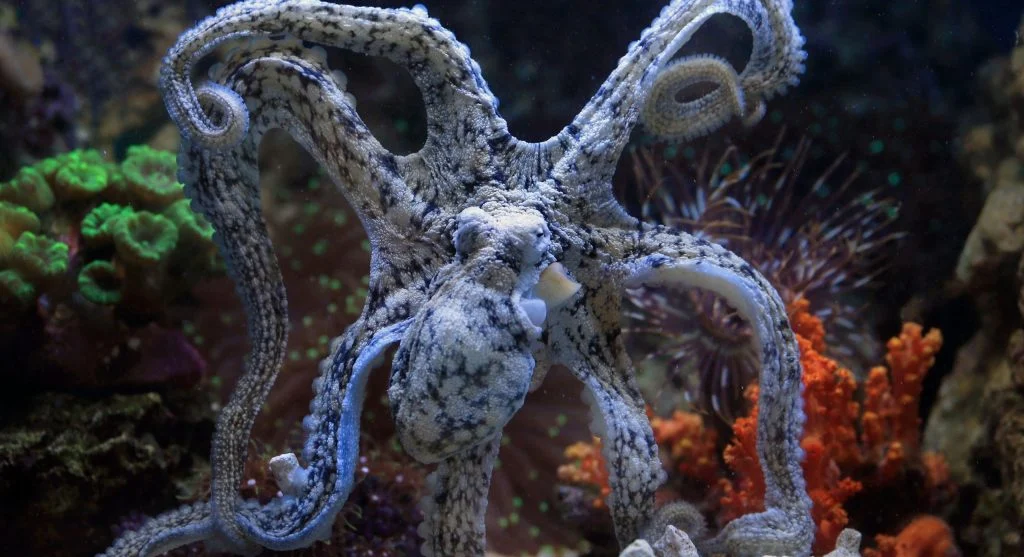
Octopuses are famous for their ability to change color and texture.
Researchers explain that camouflage helps them blend into their surroundings.
However, physical objects can also improve concealment.
Shells, rocks, and coral fragments can break up the outline of a den, making it harder for predators to recognize.
Using environmental materials along with camouflage creates a stronger defense system.
Some Species Use Tools
For many years, tool use was thought to be limited mostly to humans and a few highly intelligent animals.
Scientists now know that some octopus species can use objects in surprisingly advanced ways.
Researchers have documented octopuses carrying coconut shells, empty shells, and other items that can later be arranged into protective shelters.
This behavior is often considered one of the clearest examples of tool use among marine invertebrates.
Discoveries like this continue to change how scientists understand animal intelligence.
Protection During Vulnerable Periods
Octopuses are not always equally able to defend themselves.
Periods of growth, reproduction, or recovery from injury may make them more vulnerable.
Researchers explain that secure shelters become especially important during these times.
Collected materials help create safe spaces where octopuses can avoid unnecessary risks.
Reliable shelter can make a major difference in survival.
Learning and Exploration Drive Behavior
Octopuses are naturally curious animals.
Marine researchers often observe them exploring their surroundings and interacting with unfamiliar objects.
This curiosity may play a role in object collection behavior.
Scientists believe that investigation and experimentation help octopuses learn more about their environments.
Intelligent animals often benefit from exploring new resources and opportunities.
Object Collection May Reduce Predator Success
Predators often depend on vision when searching for prey.
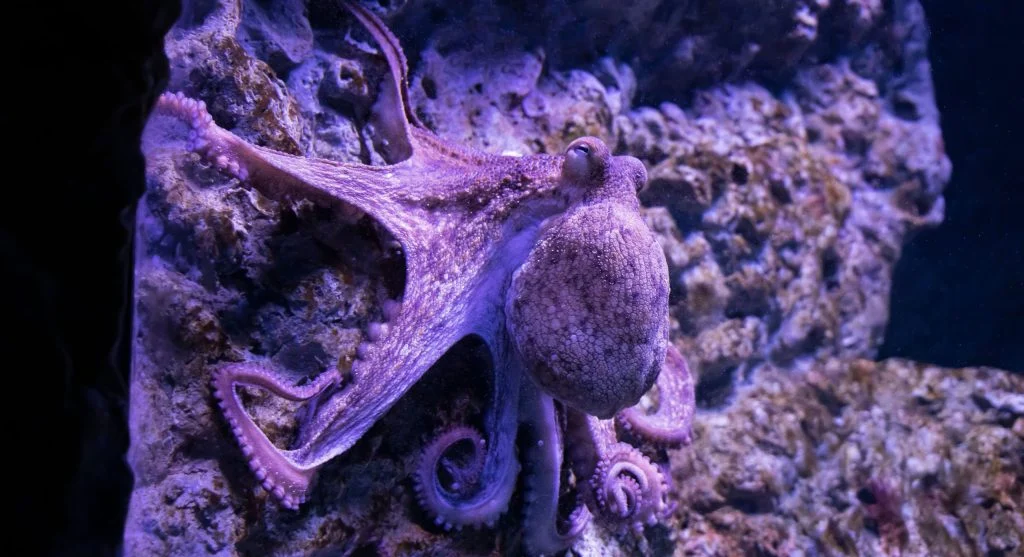
Researchers explain that a well-hidden octopus den can lower the chance of being detected.
By arranging materials around shelter entrances, octopuses create spaces that blend more naturally with the surrounding habitat.
This added layer of concealment may help prevent encounters with predators.
Even small improvements in protection can have a big effect on survival.
Marine Habitats Influence Available Materials
The objects octopuses collect often depend on the habitat around them.
In rocky areas, stones may be used more often.
In sandy environments, shells and coral fragments may be easier to find.
Researchers explain that octopuses adjust their behavior based on the materials available nearby.
This flexibility is one reason they can live successfully in many different marine ecosystems.
Octopuses Demonstrate Remarkable Problem-Solving Skills
Studies have repeatedly shown that octopuses can solve puzzles, move through mazes, and manipulate objects.
Scientists studying octopus intelligence explain that these animals have highly developed nervous systems compared with many other invertebrates.
Their ability to interact with collected objects may reflect advanced cognitive skills.
Researchers continue to study how octopuses learn, adapt, and respond to challenges.
Each discovery offers new insight into intelligence in the ocean.
Human Debris Sometimes Appears in Collections
Unfortunately, some octopuses now encounter human-made materials on the seafloor.
Researchers have documented octopuses using bottles, cans, and plastic items as parts of their shelters.
While this shows their adaptability, it also points to the growing problem of marine pollution.
Healthy oceans depend on reducing waste and protecting marine habitats.
Conservation efforts help ensure that wildlife can continue relying on natural resources.
Scientists Continue Studying Octopus Behavior
Marine researchers remain fascinated by the complexity of octopus behavior.
New technology, underwater cameras, and field observations continue revealing activities that were once unknown.
Scientists hope ongoing research will improve understanding of intelligence, learning, and adaptation among marine animals.
The more researchers learn, the more impressive octopuses become.
These animals continue to challenge assumptions about what invertebrates are capable of doing.
Frequently Asked Questions
Q: Why do octopuses collect shells and rocks?
A: They use these materials for shelter construction, camouflage, and protection.
Q: Are octopuses intelligent?
A: Yes. Octopuses are considered among the most intelligent invertebrates.
Q: Do octopuses use tools?
A: Some species have been observed using shells and other objects as tools for protection.
Q: What predators hunt octopuses?
A: Sharks, large fish, marine mammals, and other predators may hunt octopuses.
Q: Why is camouflage important for octopuses?
A: Camouflage helps them avoid detection by predators and prey.
Key Takeaway
Octopuses collect shells, rocks, and other objects because these materials help them survive. Whether they are building shelters, improving camouflage, or protecting themselves from predators, object collection shows the remarkable intelligence and adaptability of these marine animals. Their behavior continues to reveal just how complex life beneath the ocean’s surface can be.