Octopuses are among the most unusual and intelligent animals living in ocean ecosystems. These soft-bodied marine creatures inhabit coral reefs, rocky coastlines, seagrass beds, and deep ocean environments where survival often depends on camouflage and rapid environmental awareness.
Marine researchers studying why octopuses change color explain that specialized skin cells allow these animals to alter appearance within seconds. Color-changing behavior helps octopuses hide from predators, communicate, and hunt effectively in underwater habitats.
Special Skin Cells Allow Rapid Color Changes
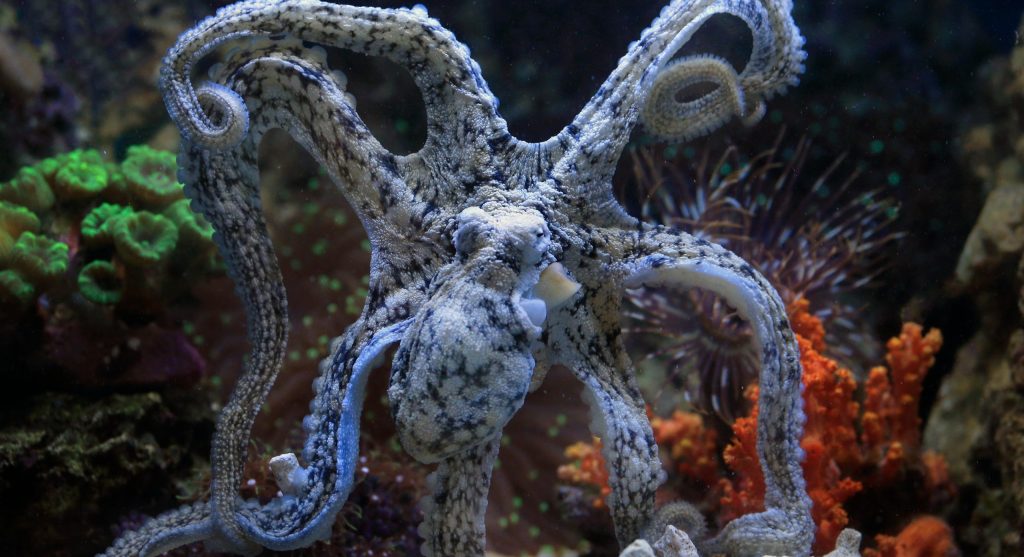
One major reason why octopuses change color involves specialized skin structures called chromatophores. Marine experts explain that these tiny pigment cells expand and contract to create different colors and patterns.
Muscles controlled by the nervous system help trigger rapid appearance changes.
Marine animal adaptations often involve highly specialized survival mechanisms.
Camouflage Helps Octopuses Avoid Predators
Sharks, large fish, seals, and other marine predators may hunt octopuses in ocean habitats.
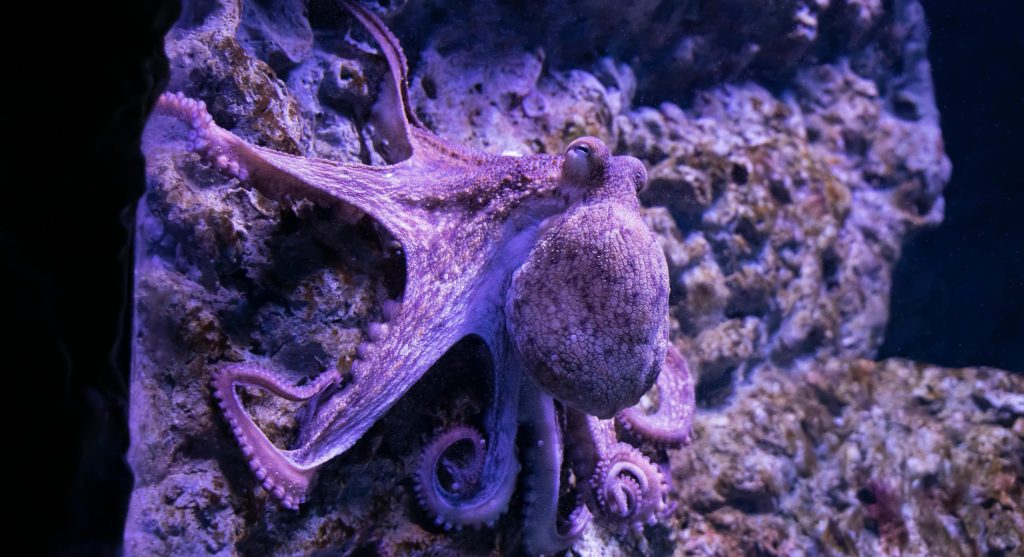
Wildlife researchers explain that camouflage helps octopuses blend into coral reefs, rocks, sand, and seafloor environments.
Remaining hidden may improve survival opportunities in dangerous ecosystems.
Some Octopuses Change Skin Texture Too
Marine experts explain that octopuses can sometimes alter skin texture along with color.
Rough or bumpy skin patterns may help imitate rocks, coral, or marine vegetation.
Ocean camouflage behavior often combines multiple adaptations together.
Color Changes May Also Support Communication
Researchers studying intelligent ocean animals explain that octopuses sometimes display different colors during encounters with other octopuses.
Behavior patterns may vary depending on environmental situations and species.
Communication in marine wildlife remains an active research topic.
Octopuses Are Highly Flexible Hunters
Octopuses use flexible arms, strong suction cups, and problem-solving abilities while searching for prey.
Marine researchers explain that octopuses commonly feed on crabs, shellfish, and smaller marine animals.
Intelligence may help improve feeding success in complex habitats.
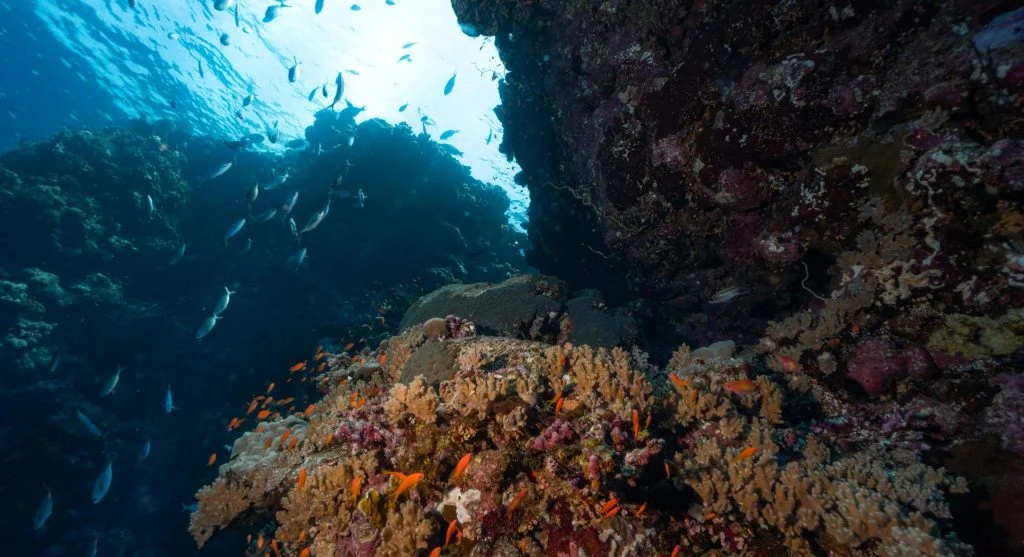
Coral Reefs and Coastal Habitats Support Octopus Populations
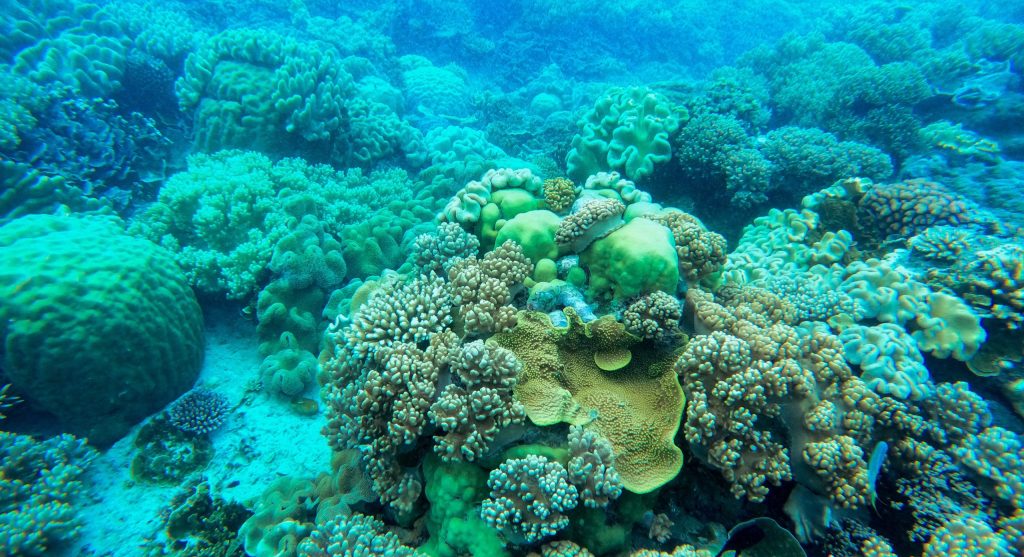
Healthy reefs and coastal ecosystems provide shelter, food, and hiding places for marine species.
Wildlife specialists explain that biodiversity within reef habitats supports many interconnected food chains.
Marine ecosystems depend heavily on habitat stability.
Marine Conservation Supports Ocean Biodiversity
Pollution, habitat damage, and environmental changes may affect coral reefs and marine wildlife populations.
Researchers studying why octopuses change color continue monitoring marine biodiversity and ecosystem health worldwide.
Conservation organizations emphasize the importance of protecting ocean habitats and supporting long-term marine conservation efforts.
Frequently Asked Questions
Q: Why do octopuses change color?
A: Octopuses change color for camouflage, communication, and survival.
Q: How do octopuses change color so fast?
A: Specialized skin cells called chromatophores expand and contract rapidly.
Q: Can octopuses change skin texture too?
A: Yes. Some octopuses can alter skin texture to improve camouflage.
Q: What do octopuses eat?
A: Octopuses commonly feed on crabs, shellfish, and smaller marine animals.
Q: Why are coral reefs important for octopuses?
A: Coral reefs provide shelter, food, and protection for marine wildlife.
Key Takeaway
Understanding why octopuses change color highlights the remarkable survival adaptations found within marine ecosystems. Camouflage, communication, texture changes, and intelligent hunting behavior all contribute to octopus survival underwater. Marine researchers and conservation organizations continue emphasizing the importance of protecting coral reefs and maintaining healthy ocean biodiversity for marine wildlife worldwide.