Penguins are among the most recognizable animals living in cold southern environments. Some species survive in extremely harsh Antarctic conditions where freezing temperatures, powerful winds, and long winter darkness create serious survival challenges.
Wildlife researchers studying why penguins huddle together explain that this behavior plays a major role in heat conservation and group survival. Huddling allows penguins to reduce exposure to dangerous weather while protecting vulnerable members of the colony.
Why Antarctic Winters Are So Challenging
Antarctic winters bring some of the harshest weather conditions on Earth. Temperatures may drop far below freezing while strong winds increase the danger of heat loss.
Wildlife experts studying Antarctic wildlife explain that surviving these conditions requires specialized physical and behavioral adaptations.
Penguin survival behavior includes thick feather insulation, body fat storage, and cooperative social strategies that improve survival during long winters.
Credit: Alvaro Garcia Galluzzi / Pexels
Huddling Helps Penguins Conserve Heat
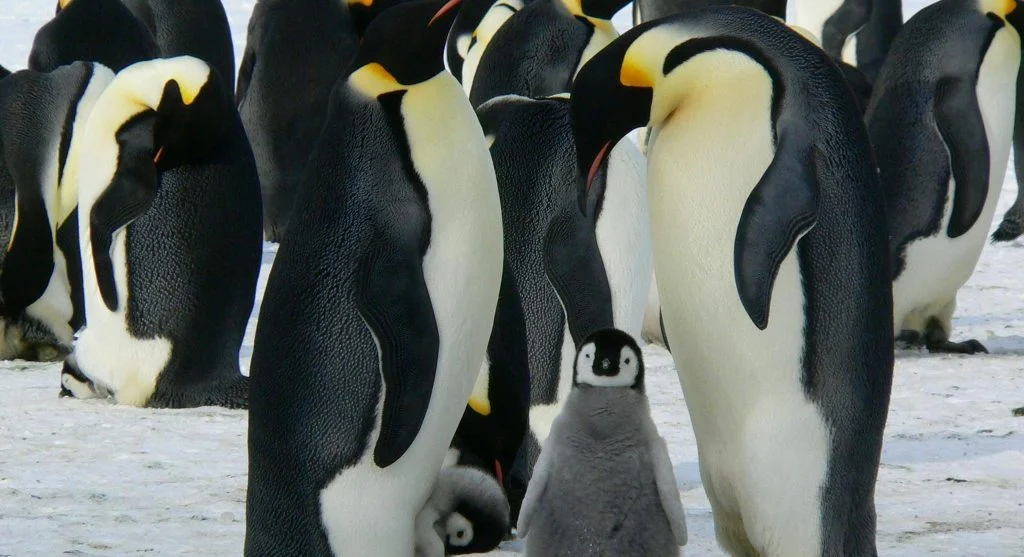
One major reason why penguins huddle together involves temperature control. By standing closely packed inside large groups, penguins reduce direct exposure to freezing wind and cold air.
Wildlife researchers explain that penguins near the center of the huddle often experience warmer conditions than individuals standing alone.
This cooperative survival strategy helps conserve body heat while reducing energy loss during severe weather.
Penguins Rotate Positions Within the Group
Penguin huddles are not completely stationary. Wildlife experts studying penguin survival behavior have observed birds gradually rotating positions over time.
Penguins exposed to outer cold areas may slowly move inward while warmer birds rotate outward. This movement helps distribute exposure more evenly across the colony.
Researchers continue studying how coordinated movement improves survival during long Antarctic winters.
Huddling Also Protects Young Penguins
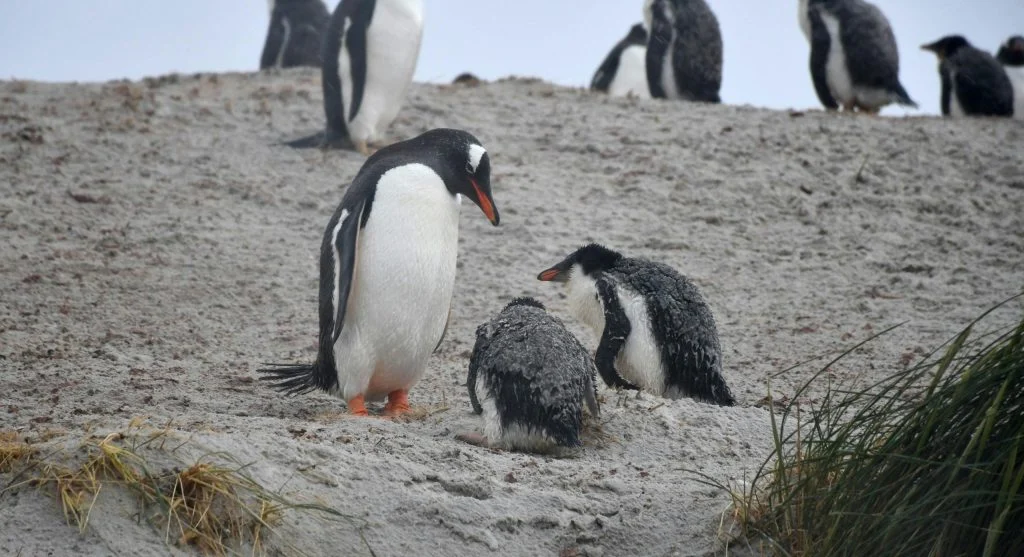
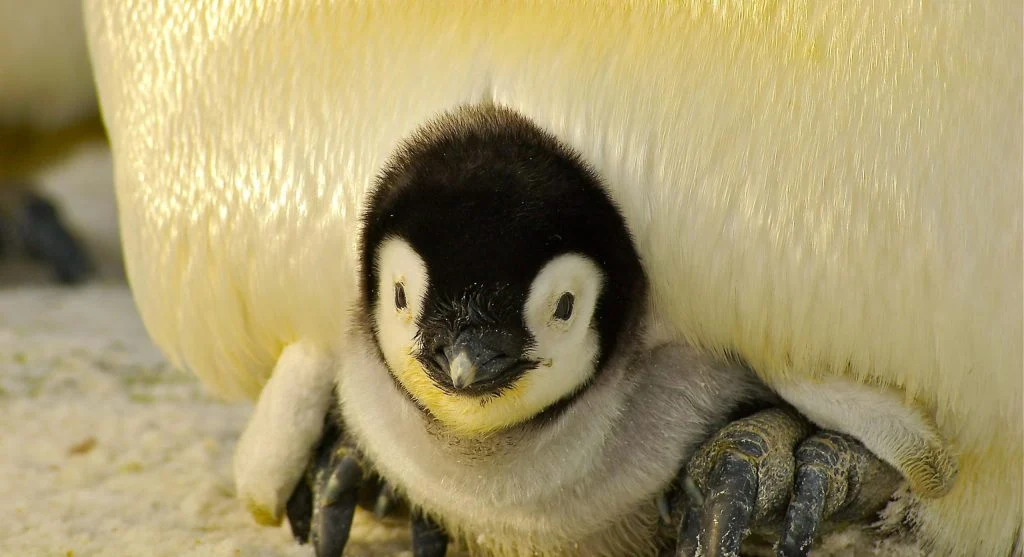
Penguin colonies often include eggs or young chicks that are highly vulnerable to freezing conditions. Adult penguins help shield young offspring from wind and cold temperatures.
Wildlife specialists explain that emperor penguin fathers may balance eggs carefully on their feet while protecting them beneath insulated body folds.
Cold weather animal adaptations become especially important during breeding seasons in Antarctica.
Credit: Pixabay / Pexels
Penguin Feathers Provide Important Insulation
Penguins also rely on specialized feathers that trap warm air close to the body. Dense feather layers help reduce heat loss during freezing weather and cold ocean swimming.
Marine wildlife researchers explain that waterproof outer feathers protect against icy water while inner insulation layers help maintain body temperature.
Penguin species living in colder regions usually have especially thick feather coverage and body fat reserves.
Food Availability Influences Penguin Survival
Penguins depend heavily on fish, krill, and other marine food sources. Wildlife experts explain that ocean conditions and seasonal ice patterns may affect feeding opportunities.
Some penguin species travel long distances between feeding areas and breeding colonies during different seasons.
Researchers studying Antarctic wildlife continue monitoring how environmental conditions influence penguin populations and food chains.
Environmental Changes May Affect Penguin Habitats
Climate conditions, sea ice changes, and ocean ecosystem shifts can affect penguin habitats and breeding success in some regions.
Wildlife conservation groups continue studying how environmental changes influence Antarctic ecosystems and cold-weather species.
Protecting marine ecosystems remains important for supporting penguin populations and broader biodiversity.
Credit: Vladimir Blyufer / Pexels
Frequently Asked Questions
Q: Why do penguins huddle together?
A: Penguins huddle together to conserve heat, reduce wind exposure, and improve survival during freezing Antarctic conditions.
Q: Do penguins move within the huddle?
A: Yes. Penguins often rotate positions so different birds spend time in warmer center areas and colder outer areas.
Q: How do penguins protect eggs during winter?
A: Some penguins balance eggs on their feet and cover them with insulated body folds for warmth.
Q: What do penguins eat?
A: Penguins commonly eat fish, krill, squid, and other marine organisms depending on species and habitat.
Q: Why are penguin habitats important?
A: Antarctic ecosystems support penguin breeding, feeding, and survival while contributing to marine biodiversity.
Key Takeaway
Understanding why penguins huddle together highlights the importance of cooperation and adaptation in extreme environments. Huddling behavior helps penguins conserve heat, protect young offspring, and survive dangerous Antarctic winters. Wildlife researchers continue studying penguin survival behavior to better understand cold-weather ecosystems and the environmental conditions affecting Antarctic wildlife populations.