The Arctic fox is one of the most specialized animals living in cold northern ecosystems. These small predators survive in some of the harshest climates on Earth, including icy tundra regions where temperatures can drop far below freezing.
Wildlife researchers studying Arctic fox facts continue discovering impressive survival strategies that help these animals thrive in difficult environments. From seasonal camouflage to insulated fur, Arctic foxes are highly adapted for life in polar habitats.
1. Arctic Foxes Change Fur Color With the Seasons
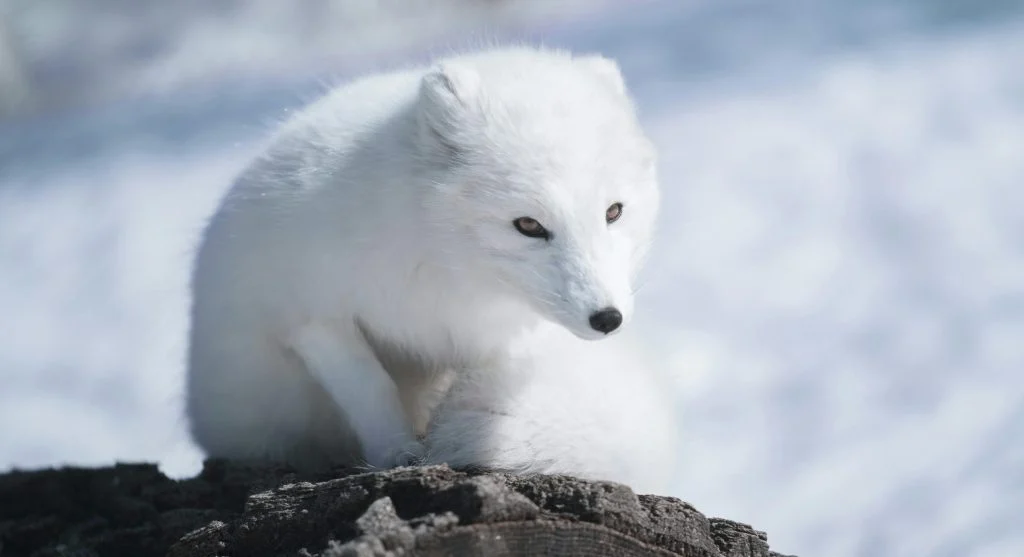
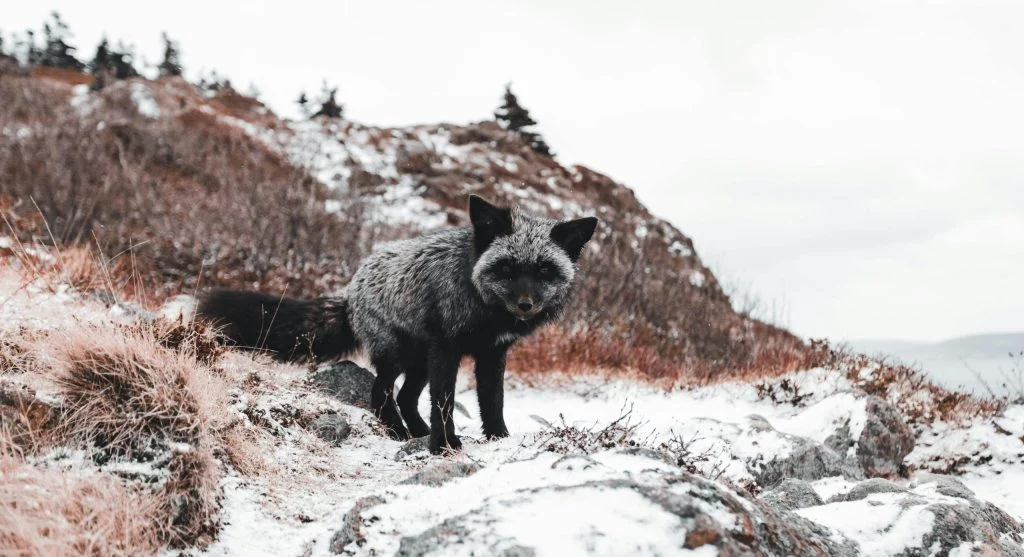
One of the best-known Arctic fox facts involves seasonal camouflage. Many Arctic foxes develop thick white fur during winter that blends into snowy tundra landscapes.
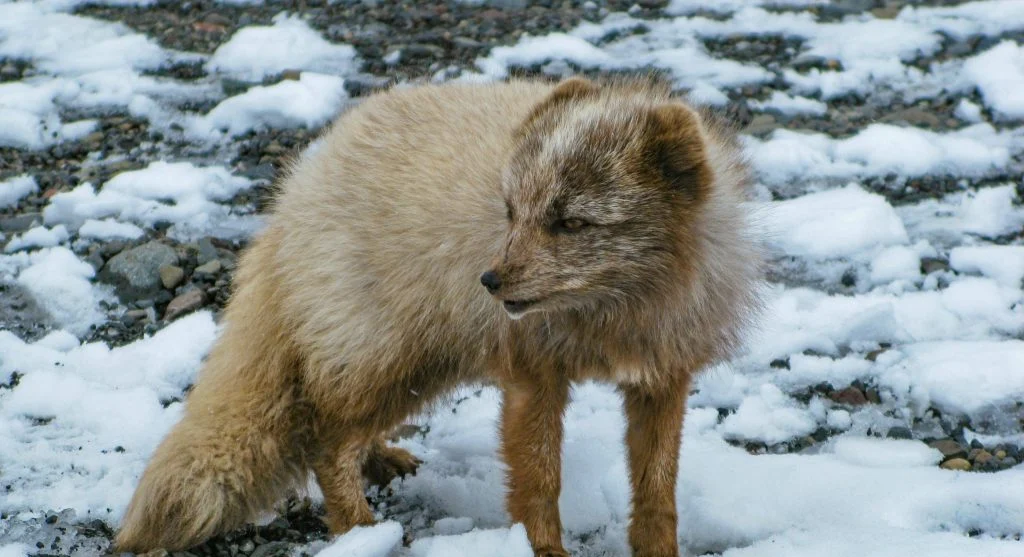
As warmer seasons arrive, fur color often changes to brown or gray shades that match rocky or grassy summer environments.
Wildlife experts explain that camouflage helps Arctic foxes avoid predators and approach prey more successfully.
Credit: Erik Mclean / Pexels
2. Thick Fur Helps Arctic Foxes Survive Extreme Cold
Arctic foxes have some of the warmest fur found among mammals living in polar environments. Dense insulation covers the body, legs, and even footpads.
Cold-weather animal adaptation researchers explain that this fur helps reduce heat loss while traveling across snow and ice.
Compact body shape and short ears also help conserve body heat during freezing temperatures.
3. Arctic Foxes Store Food for Difficult Conditions
Food availability can change quickly in Arctic ecosystems, especially during winter. Wildlife researchers explain that Arctic foxes sometimes store extra food near dens for later use.
This survival behavior helps support foxes during periods when prey becomes difficult to find.
Arctic wildlife specialists continue studying how seasonal conditions affect hunting success and food storage behavior.
4. They Often Follow Larger Predators
Another surprising Arctic fox fact involves feeding opportunities near larger predators. Arctic foxes sometimes follow polar bears or other carnivores to scavenge leftover food remains.
Wildlife experts explain that scavenging behavior can provide valuable energy during difficult environmental conditions.
Fox survival behavior often depends on adaptability and efficient use of available resources.
5. Arctic Foxes Have Excellent Hearing
Like many fox species, Arctic foxes rely heavily on hearing while hunting beneath snow-covered landscapes.
Researchers studying Arctic wildlife explain that foxes may detect small rodents moving under snow layers before diving downward to capture prey.
Strong hearing helps improve hunting success during long winter months.
Credit: Daciana Cristina Visan / Pexels
6. Dens May Be Used for Many Years
Arctic fox dens often become important shelter locations across generations. Some den systems contain multiple entrances and may remain active for decades.
Wildlife specialists explain that dens help protect foxes from extreme weather and predators.
These sheltered areas are especially important during breeding and pup-rearing seasons.
7. Arctic Foxes Travel Long Distances
Researchers tracking Arctic fox movement have documented surprisingly long travel distances across tundra environments and sea ice.
Food availability, weather conditions, and seasonal changes may all influence movement patterns.
Wildlife conservation researchers continue monitoring migration and travel behavior in changing Arctic ecosystems.
8. Summer Conditions Bring Different Challenges
Although winter is extremely cold, warmer months create different environmental conditions for Arctic foxes. Melting snow, changing prey activity, and seasonal competition can all affect survival behavior.
Researchers studying cold weather animal adaptations explain that Arctic foxes must remain flexible throughout changing seasons.
Summer camouflage also becomes important for hunting and protection.
9. Arctic Ecosystems Are Sensitive to Environmental Change
Environmental researchers continue studying how changing climate conditions may affect Arctic habitats and wildlife populations.
Shifts in snow cover, prey populations, and ecosystem balance may influence Arctic fox survival in some regions.
Conservation experts emphasize the importance of protecting healthy Arctic ecosystems and biodiversity.
10. Arctic Foxes Play Important Roles in Food Chains
Arctic foxes help regulate prey populations and contribute to tundra ecosystem balance. They also serve as prey for larger predators in some environments.
Wildlife researchers explain that healthy predator-prey relationships remain important for maintaining stable ecosystems.
Understanding Arctic fox facts helps scientists better monitor environmental health across northern habitats.
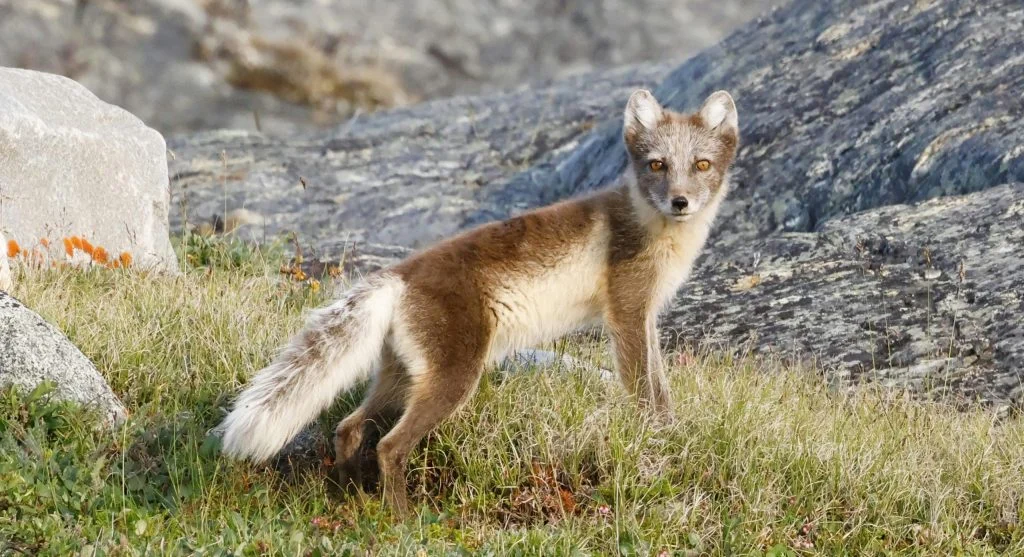
Credit: Rigo Olvera / Pexels
Frequently Asked Questions
Q: Why do Arctic foxes change color?
A: Seasonal fur color changes help Arctic foxes blend into snowy winter habitats and darker summer environments.
Q: How do Arctic foxes survive extreme cold?
A: Thick insulating fur, compact body shape, and protected footpads help reduce heat loss during freezing temperatures.
Q: What do Arctic foxes eat?
A: Arctic foxes eat rodents, birds, eggs, fish, insects, and scavenged food depending on seasonal availability.
Q: Do Arctic foxes travel long distances?
A: Yes. Wildlife researchers have tracked Arctic foxes traveling across large tundra and sea ice environments.
Q: Why are Arctic ecosystems important?
A: Arctic ecosystems support specialized wildlife species and help maintain important global biodiversity.
Key Takeaway
These Arctic fox facts highlight how specialized wildlife survives in some of Earth’s coldest environments. Seasonal camouflage, thick insulating fur, strong hearing, and flexible feeding behavior all help Arctic foxes adapt to challenging tundra ecosystems. Wildlife researchers continue monitoring Arctic habitats to better understand how environmental changes may affect these remarkable cold-weather predators.