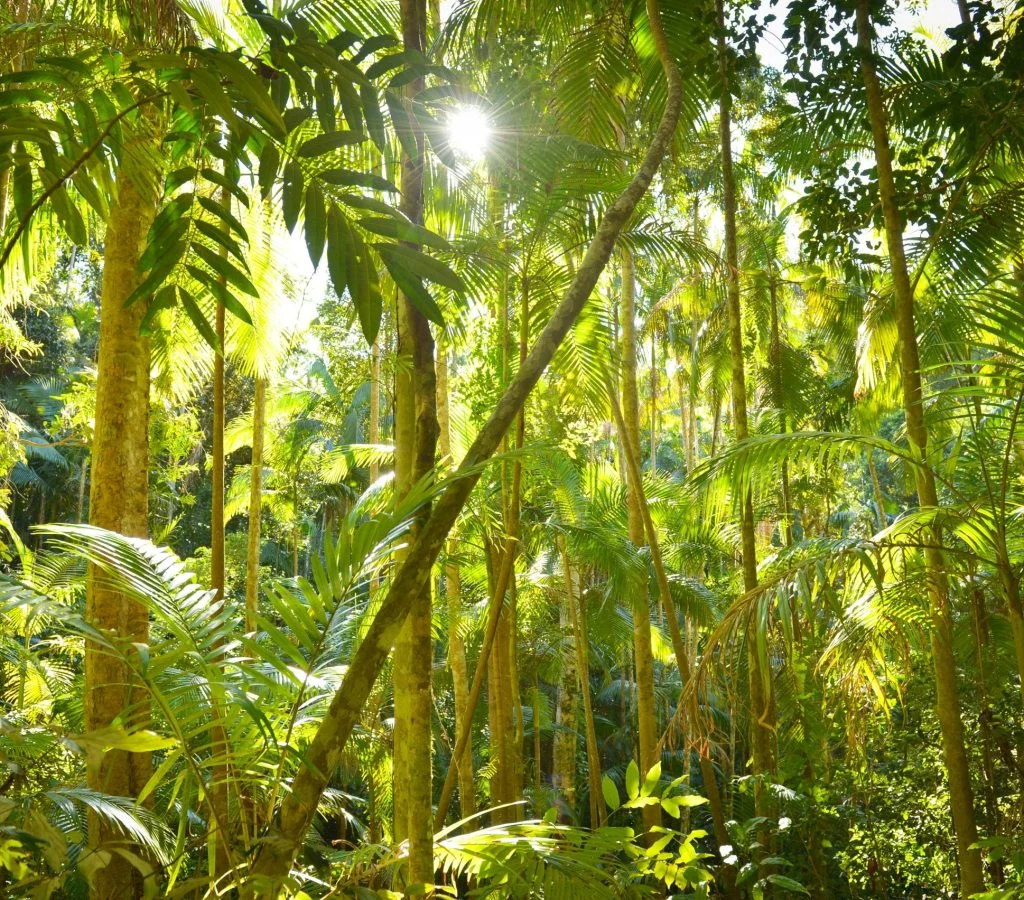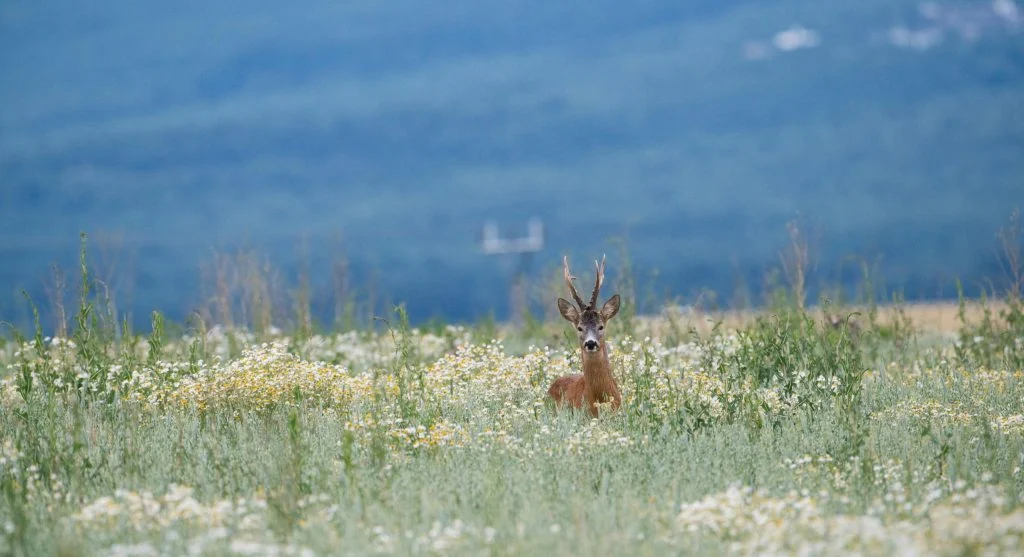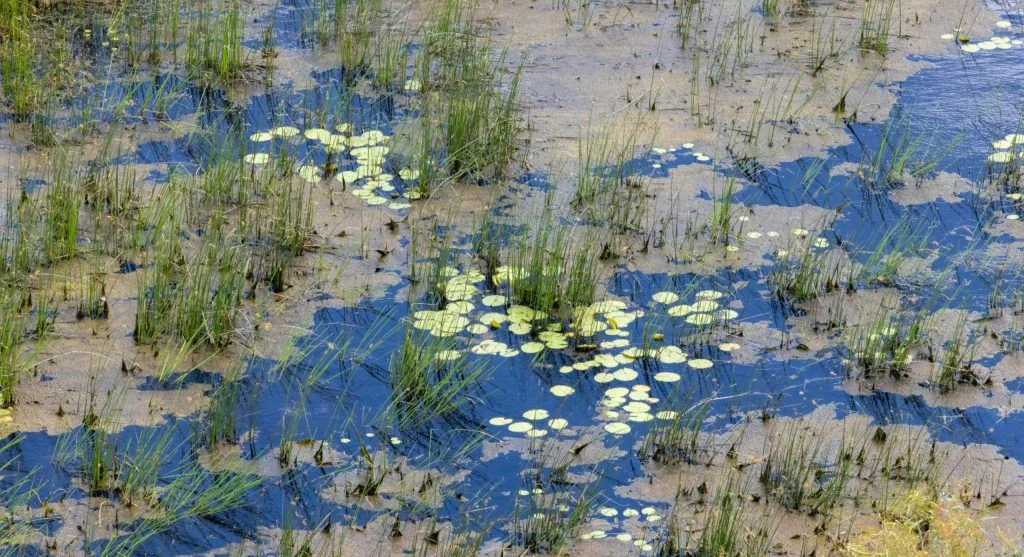
Wetlands are among the most valuable ecosystems found in nature. Marshes, swamps, bogs, floodplains, and shallow water habitats support large numbers of birds, fish, amphibians, insects, and mammals across many regions of the world.
Researchers studying why wetlands are important explain that these ecosystems provide food, shelter, breeding habitats, and freshwater support for countless species. Wetlands also help improve water quality and reduce environmental damage during storms and floods.
Wetlands Support High Biodiversity
One major reason why wetlands are important involves biodiversity. Wetland ecosystems often contain rich plant growth and reliable water sources that attract many species.
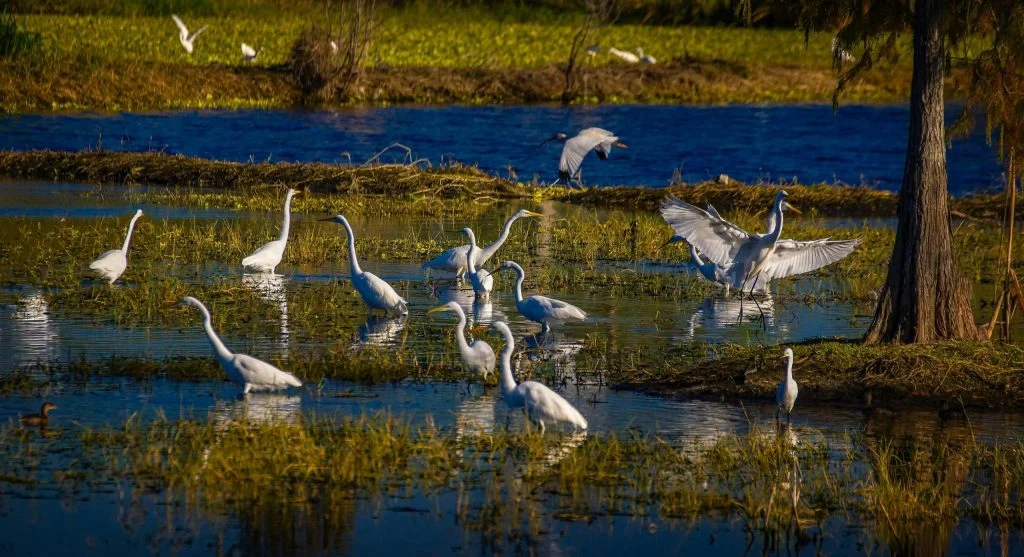
Wildlife researchers explain that wetlands provide breeding and feeding areas for birds, amphibians, reptiles, fish, and insects throughout the year.
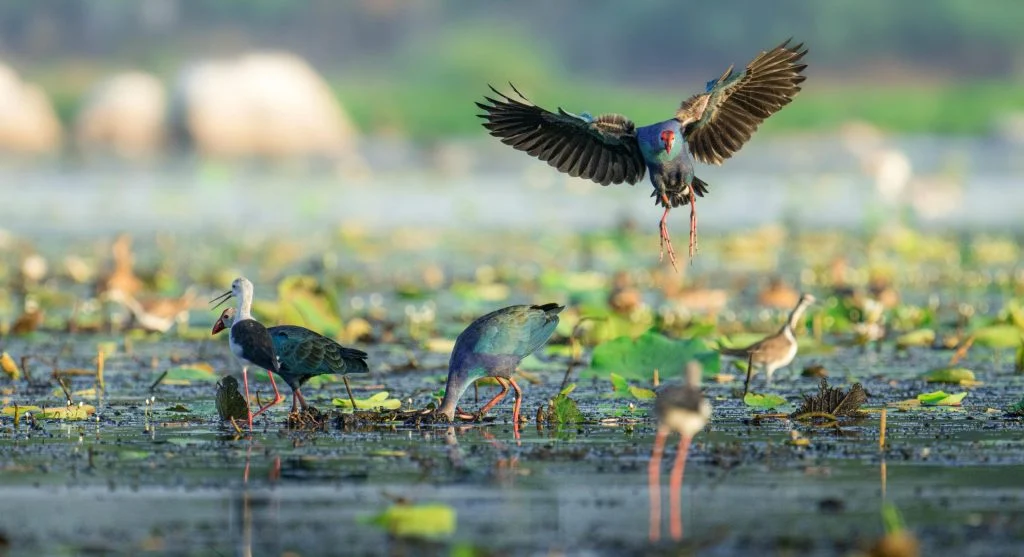
Many migratory birds also depend on wetlands as resting and feeding locations during seasonal travel.
Credit: Ray Bilcliff / Pexels
Wetlands Help Improve Water Quality
Wetlands naturally filter water moving through ecosystems. Plants, soil, and microorganisms inside wetlands may trap sediment, absorb pollutants, and process nutrients.
Environmental experts explain that this filtering process can improve water quality for surrounding habitats and communities.
Healthy freshwater biodiversity often depends on clean and stable water systems supported by wetland ecosystems.
Flood Protection Is Another Important Benefit
Wetlands can absorb and store large amounts of water during storms or heavy rainfall. Wildlife conservation researchers explain that these ecosystems help reduce flooding by slowing water movement across landscapes.
Floodplain wetlands are especially important because they temporarily hold excess water during seasonal flooding events.
This natural water storage also helps reduce soil erosion and environmental damage in some areas.
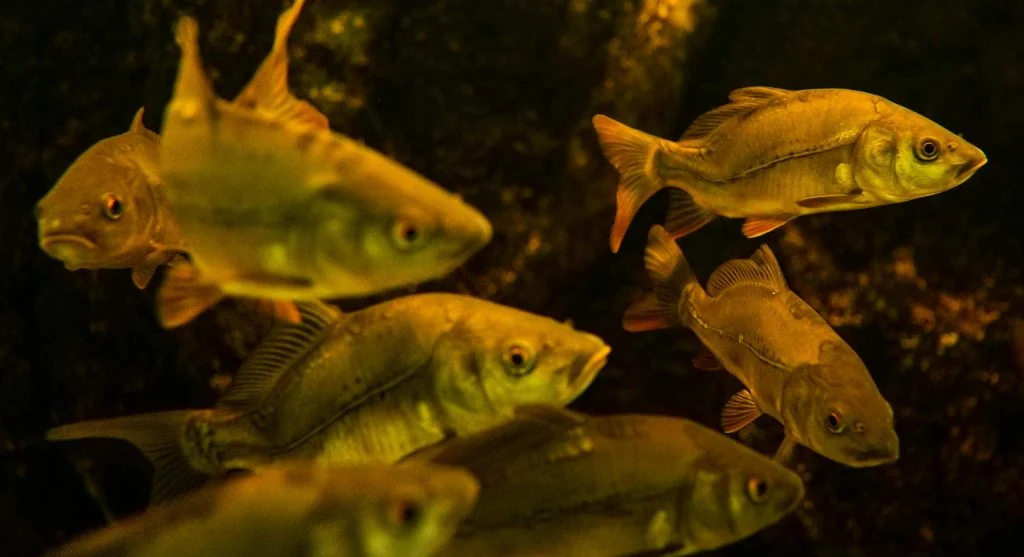
Many Young Fish Depend on Wetland Habitats
Wetlands often serve as nursery areas for fish and aquatic wildlife. Shallow water, vegetation cover, and food availability provide safer conditions for young fish growth.
Marine and freshwater researchers explain that coastal wetlands can support important fisheries and aquatic biodiversity.
Healthy wetland ecosystems contribute to balanced food chains within rivers, lakes, and coastal waters.
Credit: Vladimir Srajber / Pexels
Wetlands Support Pollinators and Insects
Many insects, including dragonflies, butterflies, and pollinators, rely on wetland habitats for food and breeding areas.
Wildlife experts explain that insects play major roles in pollination, nutrient cycling, and ecosystem balance.
Amphibians such as frogs and salamanders also depend heavily on wetland environments during important stages of life.
Wetlands Help Store Carbon
Environmental researchers continue studying how wetlands contribute to carbon storage within ecosystems. Wetland soils and vegetation may capture and store carbon over long periods.
Healthy ecosystems that store carbon can help support broader environmental stability.
Conservation groups continue emphasizing the importance of protecting wetlands from habitat destruction and pollution.
Human Activity Can Threaten Wetland Ecosystems
Urban development, pollution, drainage projects, and habitat fragmentation can affect wetlands and freshwater biodiversity.
Wildlife conservation organizations continue supporting habitat restoration and wetland protection programs in many regions.
Experts studying why wetlands are important explain that protecting these ecosystems benefits both wildlife and surrounding communities.
Credit: Mohamed Raseem / Pexels
Frequently Asked Questions
Q: Why are wetlands important for wildlife?
A: Wetlands provide food, water, shelter, and breeding habitats for many wildlife species.
Q: How do wetlands improve water quality?
A: Wetlands naturally filter water by trapping sediment and absorbing pollutants through vegetation and soil.
Q: Why are wetlands important for birds?
A: Wetlands provide nesting areas, food sources, and migration resting habitats for many bird species.
Q: Do wetlands help reduce flooding?
A: Yes. Wetlands absorb and store excess water during storms and heavy rainfall.
Q: What threatens wetland ecosystems?
A: Pollution, habitat destruction, drainage projects, and urban development can damage wetlands.
Key Takeaway
Understanding why wetlands are important highlights the major role these ecosystems play in supporting wildlife, biodiversity, and freshwater health. Wetlands improve water quality, reduce flooding, support fish and bird populations, and protect ecosystem balance. Wildlife researchers and conservation groups continue emphasizing the importance of preserving healthy wetlands for future environmental stability and biodiversity protection.