Hummingbirds are among the smallest birds in the world, yet many species complete remarkably long migration journeys every year. Wildlife researchers continue studying how these lightweight birds travel across large distances while surviving changing weather and environmental conditions.
Experts studying hummingbird migration explain that these birds rely on specialized feeding behavior, rapid metabolism, and seasonal instincts to complete difficult journeys between breeding and wintering habitats.
Why Hummingbirds Migrate Each Year
Like many migratory birds, hummingbirds travel seasonally in search of favorable weather and reliable food sources. Cooler temperatures and declining flower availability during autumn often trigger migration activity.
Bird migration behavior researchers explain that many hummingbirds move toward warmer southern regions where nectar-producing plants remain available during winter.
Migration helps support survival by improving access to food and suitable environmental conditions.
Credit: Chris F / Pexels
Hummingbirds Need Constant Energy
One reason hummingbird migration is so impressive involves the birds’ extremely high energy demands. Hummingbirds flap their wings rapidly and maintain fast metabolisms that require frequent feeding.
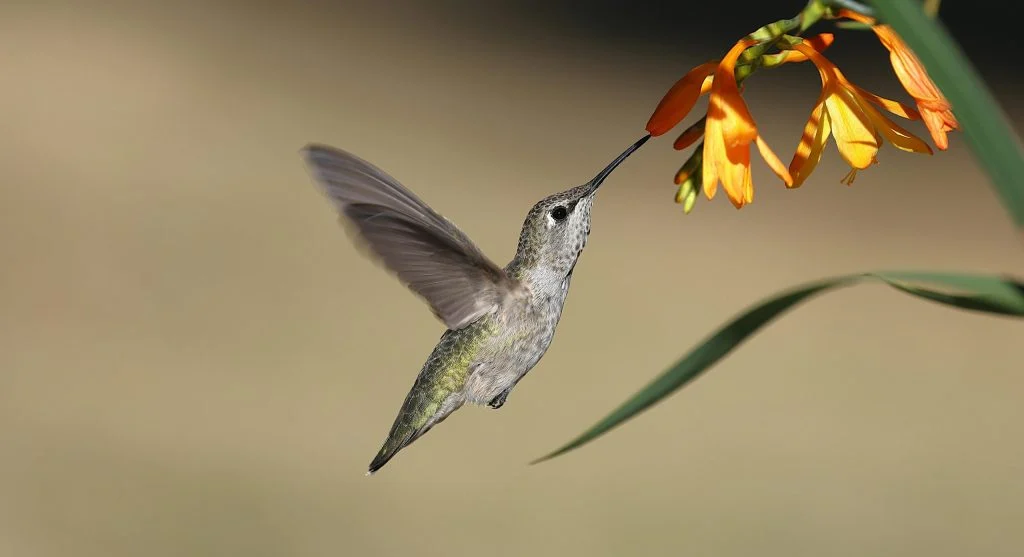
Wildlife experts explain that nectar from flowers provides important sugar energy during migration periods. Hummingbirds may also eat insects and spiders for additional nutrients.
Before migration, some hummingbirds increase body weight by storing extra fat reserves that provide fuel for long flights.
Some Species Cross Large Bodies of Water
Certain hummingbird species complete migration routes that include crossing open water. Wildlife researchers studying seasonal bird travel explain that some birds may fly for many hours without stopping.
Strong weather conditions, wind patterns, and energy reserves all influence migration success during these journeys.
Researchers continue monitoring how climate and habitat changes may affect migration routes over time.
Flowers Play an Important Role During Migration
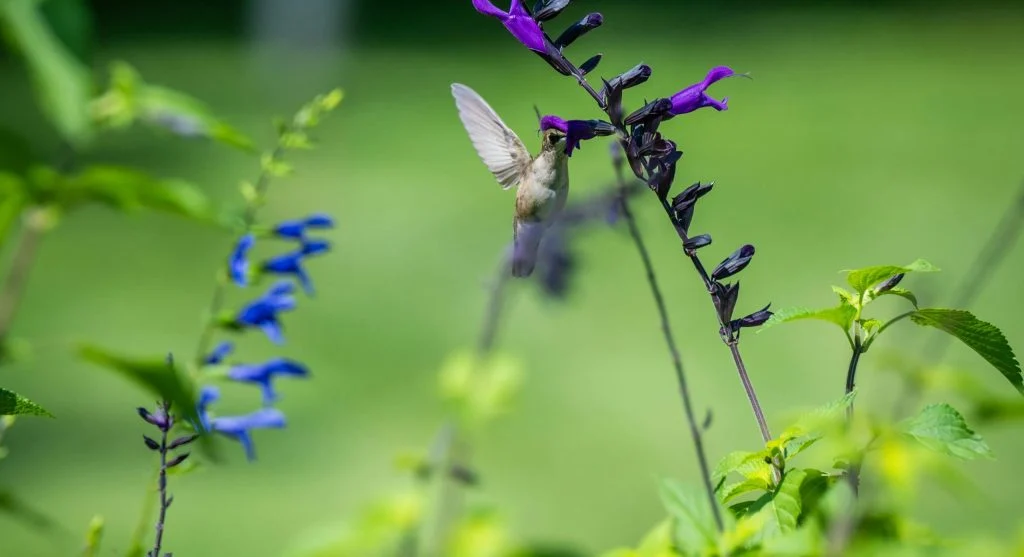
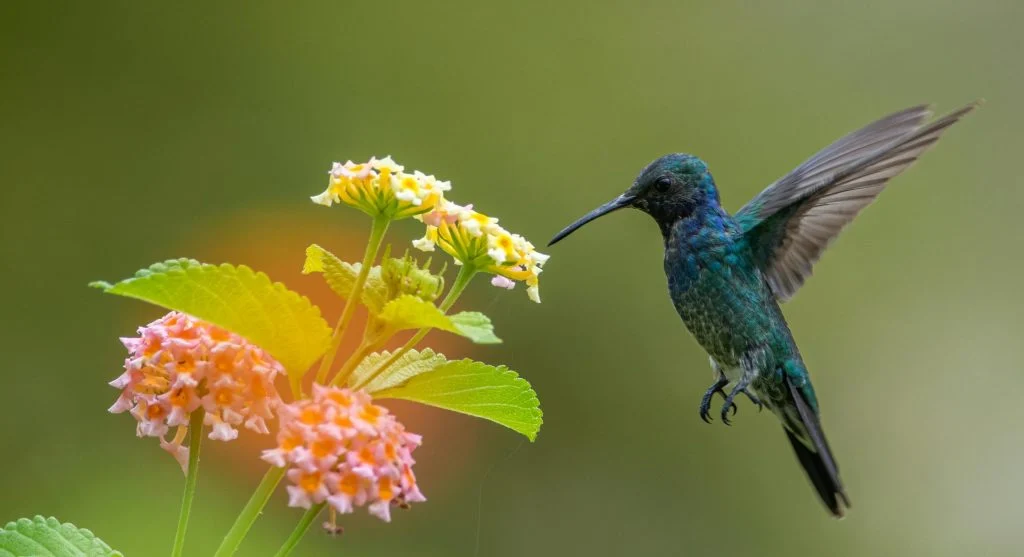
Flowering plants provide essential feeding opportunities for migrating hummingbirds. Wildlife specialists explain that migration timing often matches seasonal blooming periods along travel routes.
Gardens, forests, meadows, and wetlands containing nectar-rich flowers may support resting and feeding activity during migration.
Native flowering plants are especially valuable for supporting local bird populations and biodiversity.
Credit: Steven Paton / Pexels
Weather Conditions Affect Migration Timing
Temperature changes, storms, wind conditions, and seasonal weather patterns may all influence hummingbird migration behavior.
Bird migration researchers explain that favorable winds can help birds conserve energy during long-distance travel.
Unexpected storms or habitat disruptions may create additional challenges during migration seasons.
Hummingbirds Often Travel Alone
Unlike some migratory birds that move in large flocks, many hummingbirds migrate individually. Wildlife experts explain that solitary migration may reduce competition for nectar sources along travel routes.
Despite their small size, hummingbirds display remarkable endurance and navigation abilities during seasonal movement.
Researchers continue studying how these birds recognize migration pathways across generations.
Habitat Protection Supports Migrating Birds
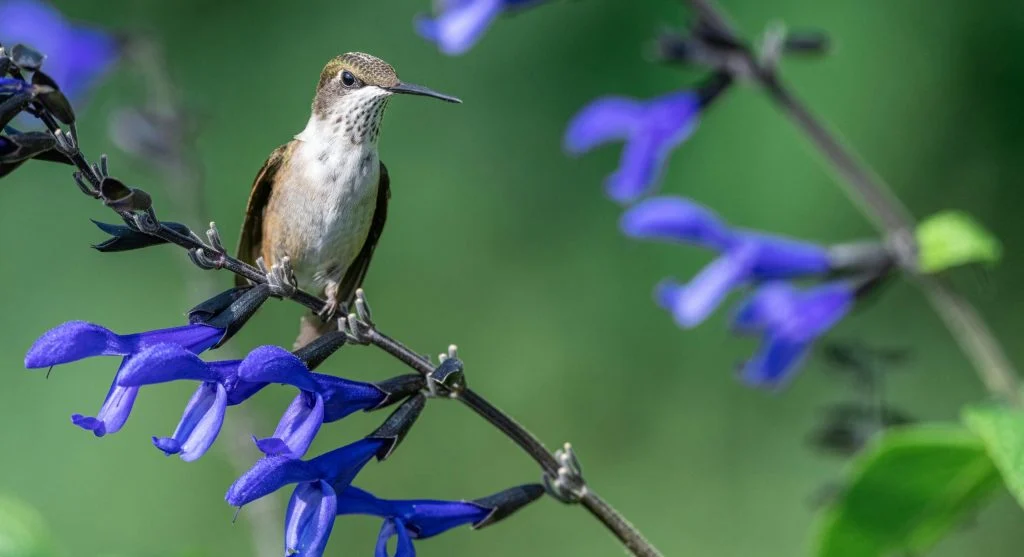
Forests, wetlands, gardens, meadows, and protected natural habitats all provide important resting and feeding areas for migrating hummingbirds.
Wildlife conservation organizations explain that habitat loss and declining flower availability may affect migratory bird populations in some regions.
Protecting pollinator-friendly habitats helps support hummingbird survival and broader ecosystem health.
Credit: Skyler Ewing / Pexels
Frequently Asked Questions
Q: Why do hummingbirds migrate?
A: Hummingbirds migrate to reach warmer regions with reliable food sources during colder seasons.
Q: What do hummingbirds eat during migration?
A: Hummingbirds mainly feed on nectar, insects, and spiders while traveling.
Q: Do hummingbirds migrate in groups?
A: Many hummingbirds migrate alone rather than traveling in large flocks.
Q: Why are flowers important during migration?
A: Flowers provide nectar that gives hummingbirds energy needed for long-distance travel.
Q: How can people help migrating hummingbirds?
A: Planting native flowers and protecting pollinator-friendly habitats can support hummingbird populations.
Key Takeaway
Hummingbird migration demonstrates how even the smallest birds can complete remarkable long-distance journeys. Rapid metabolism, nectar feeding, stored energy reserves, and seasonal instincts all help hummingbirds survive migration challenges. Wildlife experts continue emphasizing the importance of protecting flowering habitats and migration corridors that support these unique migratory birds and broader biodiversity.