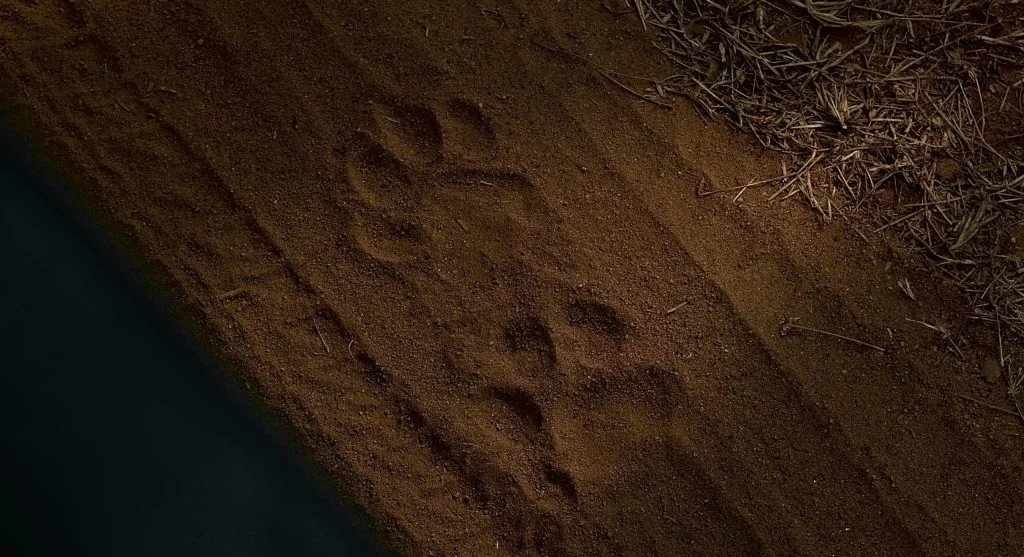
Animal tracks provide valuable clues about wildlife movement, feeding behavior, and habitat activity. Forest trails, wetlands, riverbanks, snowy paths, and muddy ground often reveal footprints left behind by animals moving through natural ecosystems.
Wildlife researchers studying how to identify animal tracks explain that track shape, size, depth, and walking patterns can help outdoor visitors recognize different species. Learning basic tracking skills also improves awareness of local biodiversity and wildlife behavior.
Look Closely at Track Shape
One of the first wildlife tracking tips involves examining the overall shape of footprints. Wildlife experts explain that hoofed animals, birds, mammals, and reptiles all leave different patterns.
Claw marks, toe arrangement, and footprint width may help narrow identification.
Track shape often provides the clearest starting clue.
Notice the Number of Toes
Animal footprint identification often depends on toe count. Wildlife researchers explain that some mammals leave four visible toes while others may leave five.
Bird tracks may show forward-facing and backward-facing toe patterns.
Toe arrangement can help separate similar-looking tracks.
Check the Walking Pattern
Animals move differently depending on body structure and behavior. Wildlife experts explain that track spacing may reveal whether an animal was walking, running, hopping, or climbing.
Some animals place back feet directly into front footprints while moving.
Movement patterns often help improve track identification accuracy.
Look for Claw Marks
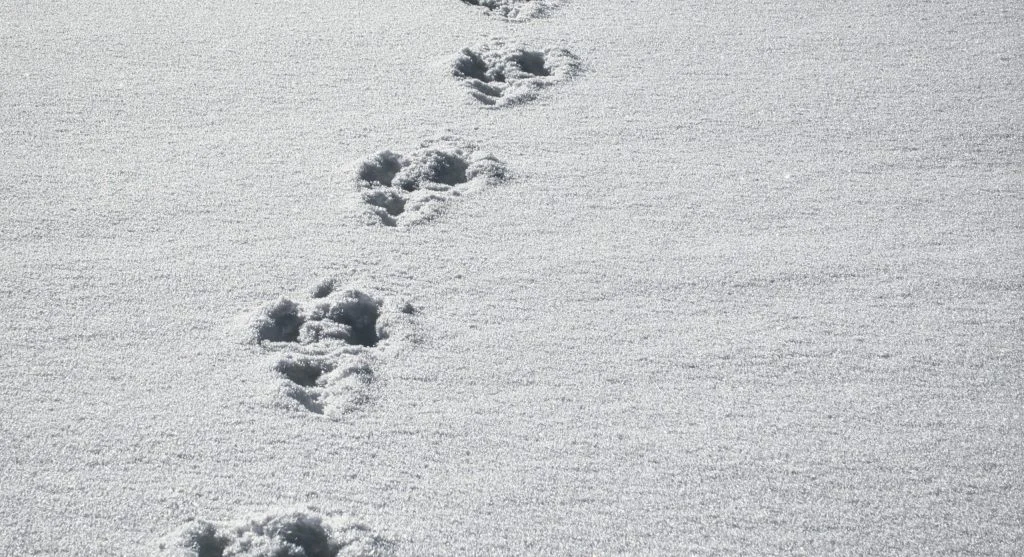
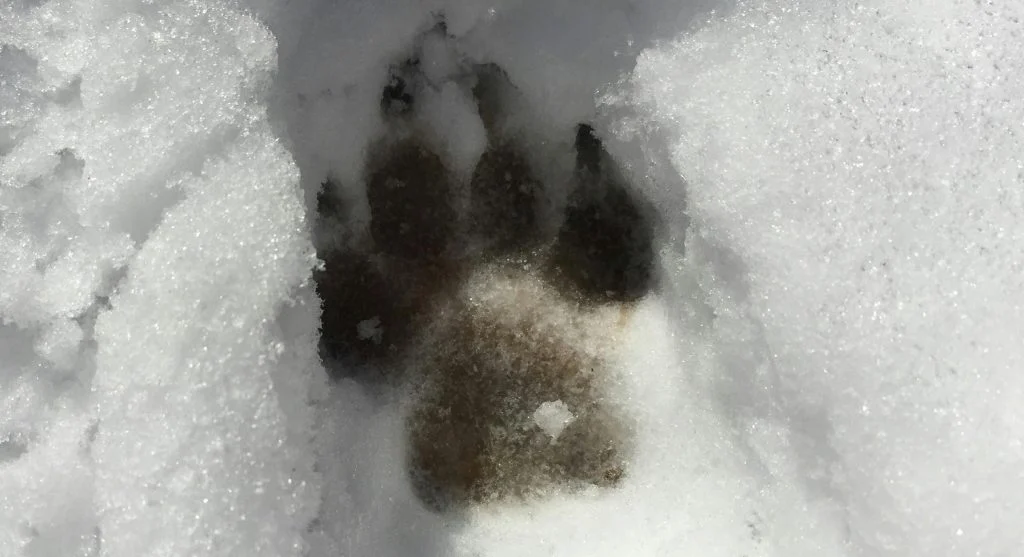
Claw impressions sometimes appear ahead of footprints in soft ground or snow.
Wildlife researchers explain that claw visibility may help distinguish species groups.
Track details often become clearer in mud, sand, or damp soil conditions.
Weather Conditions Affect Track Visibility
Rain, snow, wind, and sunlight may change how long tracks remain visible in outdoor habitats.
Wildlife specialists explain that fresh tracks usually contain sharper edges and clearer details.
Older tracks may appear partially damaged or softened by weather.
Wetlands and Forest Trails Often Show the Best Tracks
Soft ground near rivers, wetlands, forests, and muddy trails commonly captures animal footprints.
Wildlife experts explain that early morning walks after rainfall may improve tracking opportunities.
Snow-covered environments can also reveal wildlife movement clearly.
Respect Wildlife Habitats While Tracking
Outdoor wildlife observation should avoid disturbing natural habitats or active nesting areas.
Researchers studying how to identify animal tracks encourage visitors to remain on marked trails whenever possible.
Responsible wildlife observation helps support conservation and ecosystem protection.
Frequently Asked Questions
Q: Why are animal tracks important for wildlife observation?
A: Tracks help reveal wildlife movement, feeding activity, and habitat use.
Q: What helps identify animal tracks?
A: Shape, toe count, claw marks, and walking patterns help with identification.
Q: Where are animal tracks easiest to find?
A: Muddy trails, wetlands, riverbanks, and snowy paths often show clear tracks.
Q: How can weather affect animal tracks?
A: Rain, snow, wind, and sunlight may damage or soften older tracks.
Q: Why should wildlife habitats be respected during tracking?
A: Responsible observation helps protect animals and sensitive ecosystems.
Key Takeaway
Learning how to identify animal tracks helps outdoor visitors better understand wildlife movement and ecosystem activity across natural habitats. Footprint shape, walking patterns, claw marks, and environmental conditions all provide useful clues for wildlife observation. Researchers and conservation organizations continue encouraging responsible outdoor tracking practices that support habitat protection and long-term biodiversity conservation.