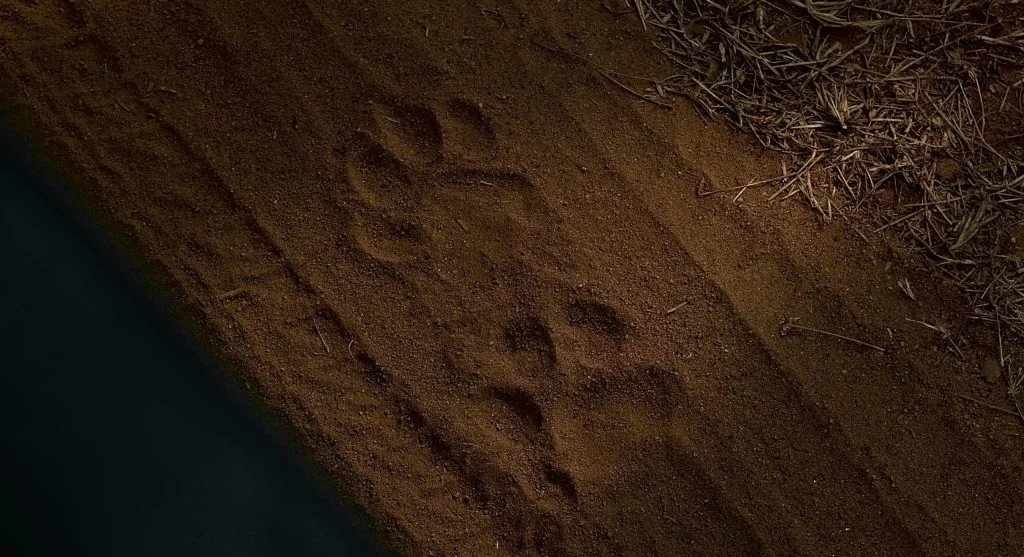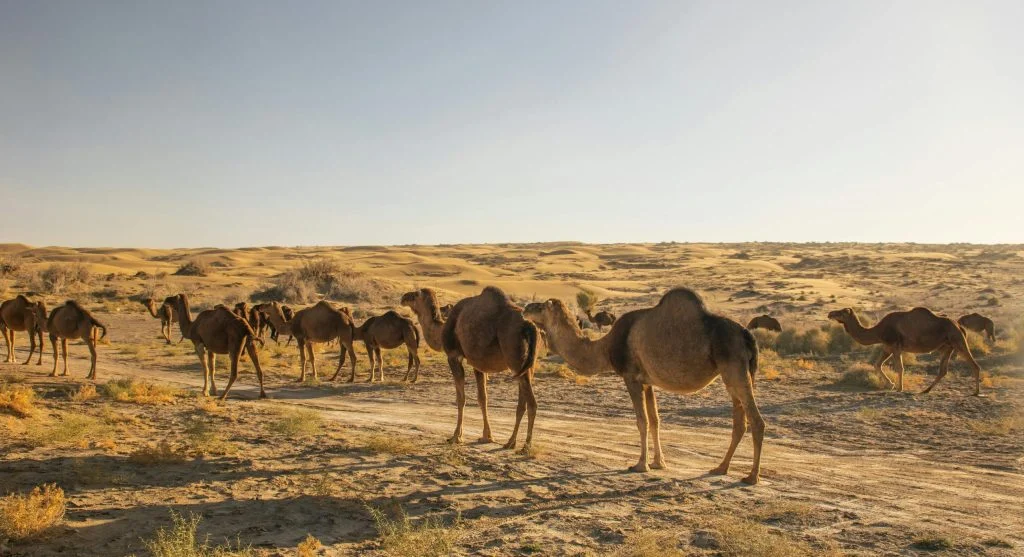
National parks give visitors a chance to observe animals in natural habitats, but safe wildlife viewing requires preparation and awareness. Many injuries and dangerous encounters happen because people approach wild animals too closely or ignore safety guidelines.
Wildlife specialists explain that responsible wildlife observation protects both animals and visitors. Following proper wildlife watching tips can help travelers enjoy memorable outdoor experiences while reducing stress on wildlife populations and fragile ecosystems.
Why Wildlife Watching Tips Matter in National Parks
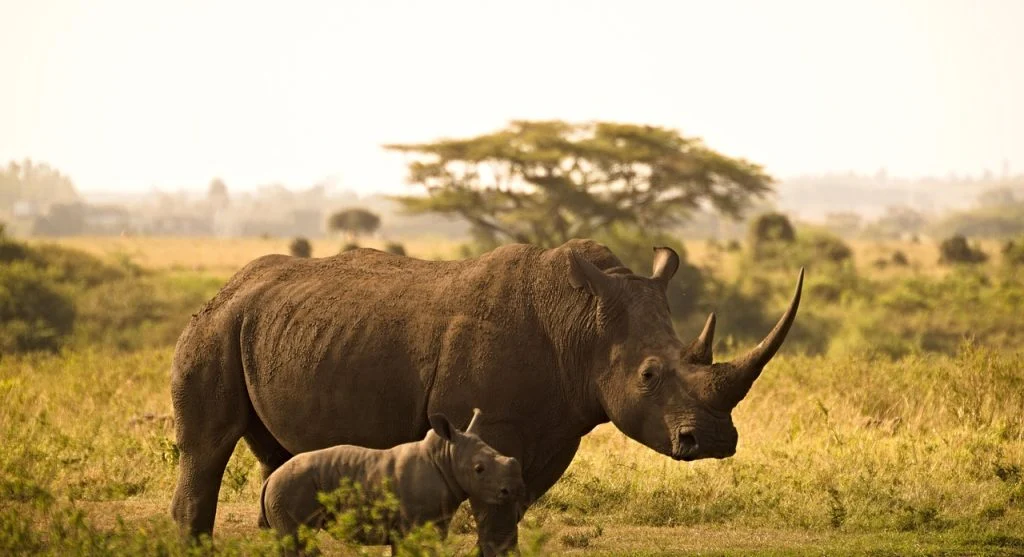
Wild animals behave differently from domesticated animals and can react unpredictably when they feel threatened. Even calm-looking animals may become aggressive if visitors move too close to young offspring, feeding areas, or resting spots.
According to park rangers and conservation experts, safe viewing distances are important because animals need space to move naturally without feeling trapped or disturbed. Responsible wildlife viewing also helps reduce accidents involving tourists and animals.
Outdoor wildlife safety guidelines are designed to protect ecosystems while allowing visitors to appreciate nature responsibly.
Credit: peterjohnball0 / Pixabay
Bring the Right Equipment for Wildlife Observation
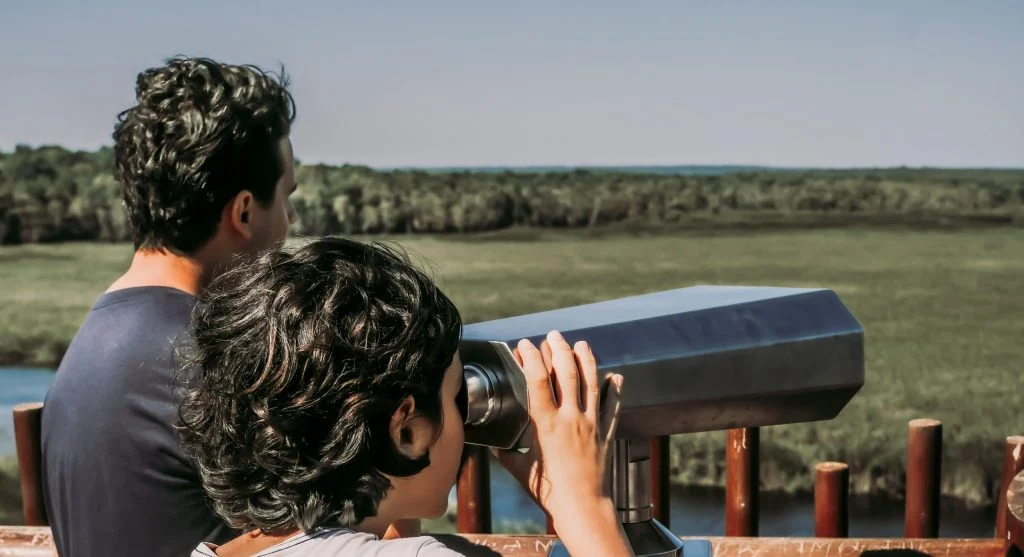
Experienced wildlife photographers and outdoor guides often recommend carrying binoculars or zoom lenses instead of trying to approach animals directly. Viewing equipment allows visitors to observe natural animal behavior without causing unnecessary disturbance.
Experts also suggest wearing neutral-colored clothing that blends into outdoor environments. Bright colors and loud sounds may frighten wildlife or interrupt feeding and migration activity.
Other useful items include water, weather-appropriate clothing, maps, sunscreen, and a small first-aid kit for longer hikes or remote park visits.
Keep a Safe Distance From All Wild Animals
One of the most important wildlife watching tips involves maintaining a safe distance at all times. National parks often provide specific distance recommendations depending on the species.
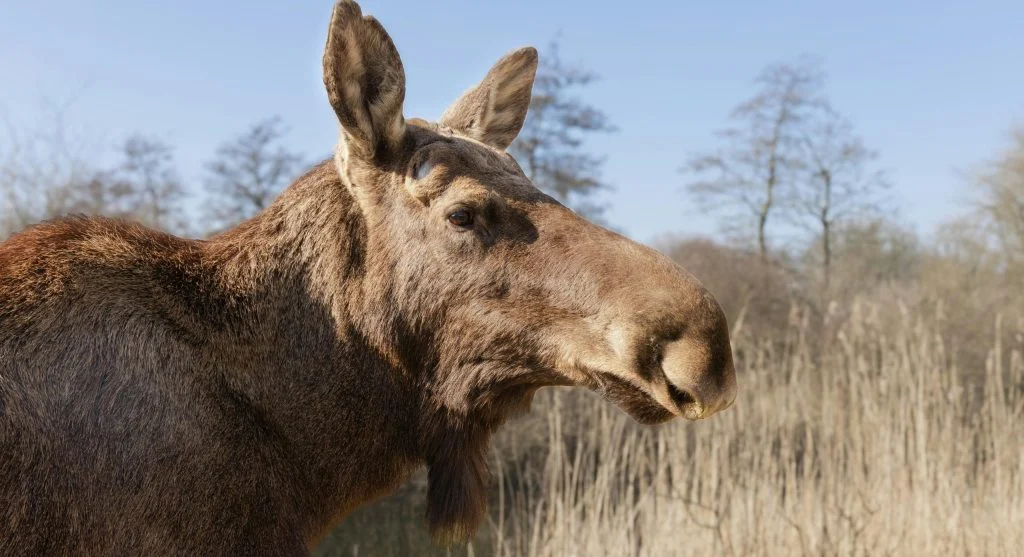
Larger animals such as bears, elk, moose, and bison can move very quickly even when they appear calm. Wildlife researchers advise visitors to remain alert and avoid blocking animal movement paths.
If an animal changes behavior, makes warning sounds, or starts moving toward people, experts recommend slowly backing away while remaining calm.
Never Feed Wildlife in National Parks
Feeding wildlife may seem harmless, but conservation experts warn that it can create long-term problems for animals and ecosystems. Animals that become dependent on human food may lose natural hunting or foraging habits.
Human food can also cause health problems for wildlife. Some animals may begin approaching roads, campsites, or parking areas after associating people with food sources.
Park authorities often fine visitors who intentionally feed wildlife because the practice increases risks for both humans and animals.
Credit: Eva Zwaan / Pexels
Understand Seasonal Wildlife Behavior
Animal activity changes throughout the year depending on weather, breeding seasons, migration patterns, and food availability. Wildlife specialists explain that certain times of year require extra caution.
During spring and early summer, many animals protect young offspring and may react defensively if visitors come too close. Fall can also be dangerous because some species become more aggressive during mating seasons.
Researching seasonal wildlife behavior before visiting parks can help travelers prepare for safer outdoor wildlife experiences.
Stay on Marked Trails and Follow Park Rules
Marked trails help protect sensitive habitats while reducing the chances of dangerous wildlife encounters. Leaving trails may damage vegetation, disturb nesting areas, or place visitors in risky locations.
Park rangers also recommend checking posted signs for recent wildlife activity or temporary closures. Some areas may be restricted because of migration patterns, nesting birds, or large predator sightings.
Outdoor experts note that following trail systems helps preserve ecosystems for future visitors while supporting conservation efforts.
Photography Should Never Disturb Wildlife
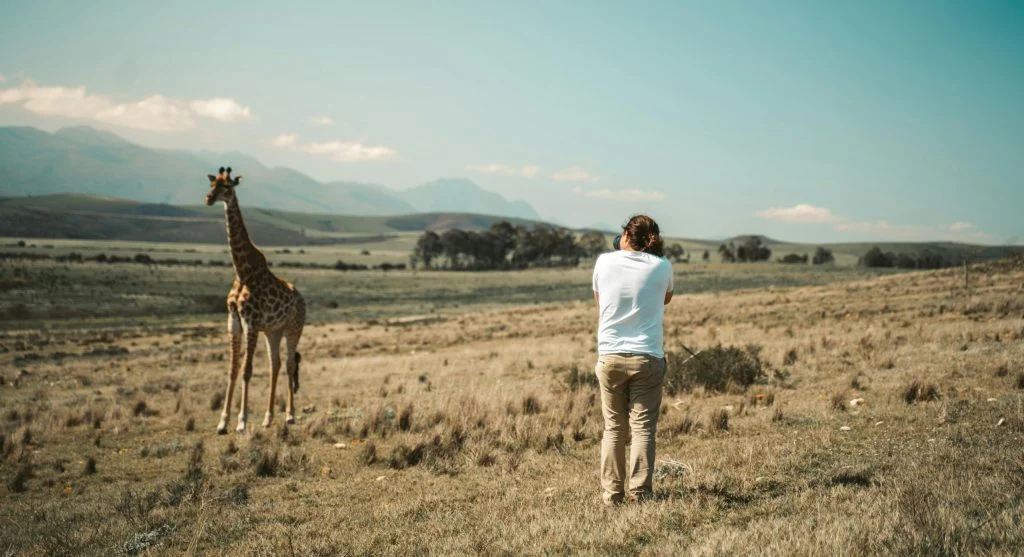
Wildlife photography continues growing in popularity, but experts caution against prioritizing photos over safety and ethical behavior. Approaching animals too closely for better pictures can create stress and dangerous reactions.
Conservation organizations encourage photographers to use zoom equipment and remain patient rather than attempting to attract attention from animals.
Respectful wildlife photography supports conservation awareness while allowing animals to behave naturally in their habitats.
Credit: Taryn Elliott / Pexels
Frequently Asked Questions
Q: What is the safest distance from wild animals?
A: Safe viewing distances vary by species, but national parks often recommend staying at least 25 yards away from most wildlife and much farther from predators or large animals.
Q: Why should visitors avoid feeding wildlife?
A: Feeding wildlife can harm animal health, change natural behavior, and increase dangerous encounters between humans and animals.
Q: Are binoculars useful for wildlife watching?
A: Yes. Binoculars allow visitors to observe wildlife safely without disturbing animals or entering restricted habitats.
Q: What should hikers do if an animal approaches?
A: Wildlife experts recommend remaining calm, avoiding sudden movements, and slowly backing away while giving the animal space.
Q: Why are marked trails important in parks?
A: Trails protect ecosystems, reduce habitat damage, and lower the chances of dangerous wildlife encounters.
Key Takeaway
Following proper wildlife watching tips helps visitors safely enjoy nature while protecting animals and sensitive habitats. Responsible observation includes keeping safe distances, staying on trails, avoiding feeding wildlife, and respecting seasonal animal behavior. National parks remain some of the best places to experience wildlife, and careful outdoor practices help preserve these environments for future generations.