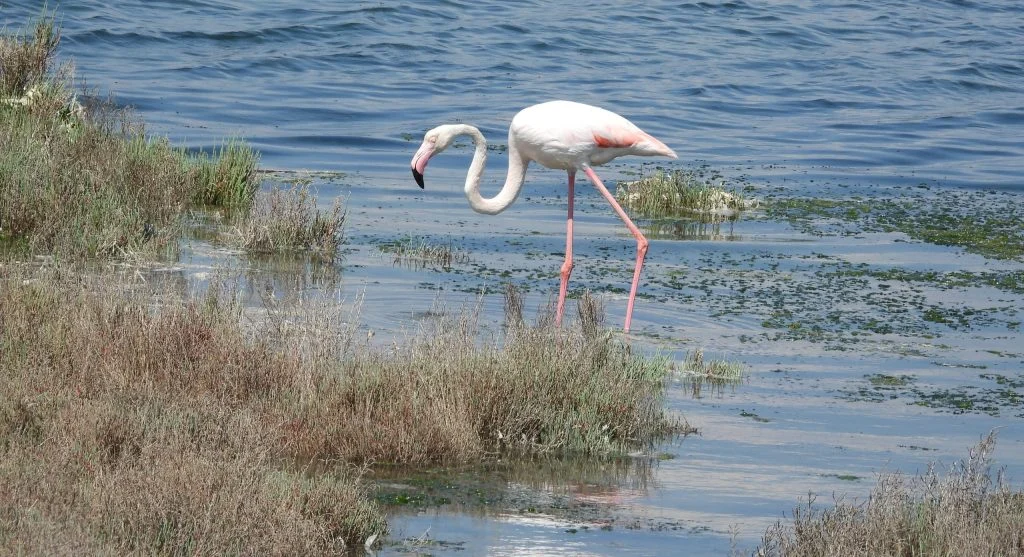
Flamingos are among the most recognizable birds living in wetlands, coastal lagoons, and shallow lakes around the world. Their bright feathers, long legs, and social group behavior make them especially noticeable in open water habitats.
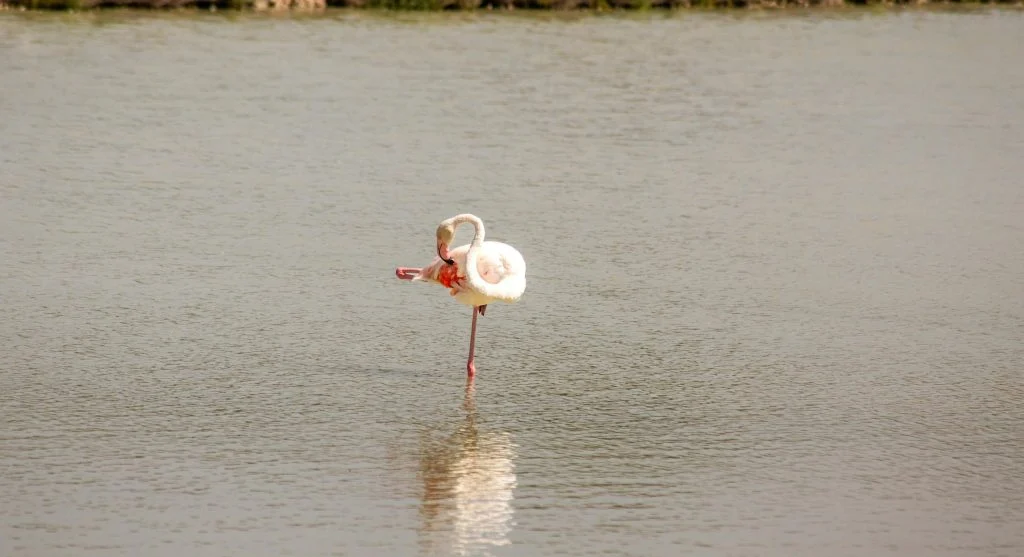
Wildlife researchers studying why flamingos stand on one leg explain that this unusual behavior may help with body temperature regulation, muscle efficiency, and balance while resting. Although scientists continue studying the behavior, several explanations appear strongly connected to flamingo survival in wetland ecosystems.
Standing on One Leg May Help Reduce Heat Loss
One major theory explaining why flamingos stand on one leg involves body temperature conservation. Wildlife experts explain that flamingos often stand in cool water for long periods.
Keeping one leg tucked close to the body may reduce heat loss through exposed skin.
Wetland bird adaptations often help conserve energy in changing environmental conditions.
Flamingos Have Specialized Balance Ability
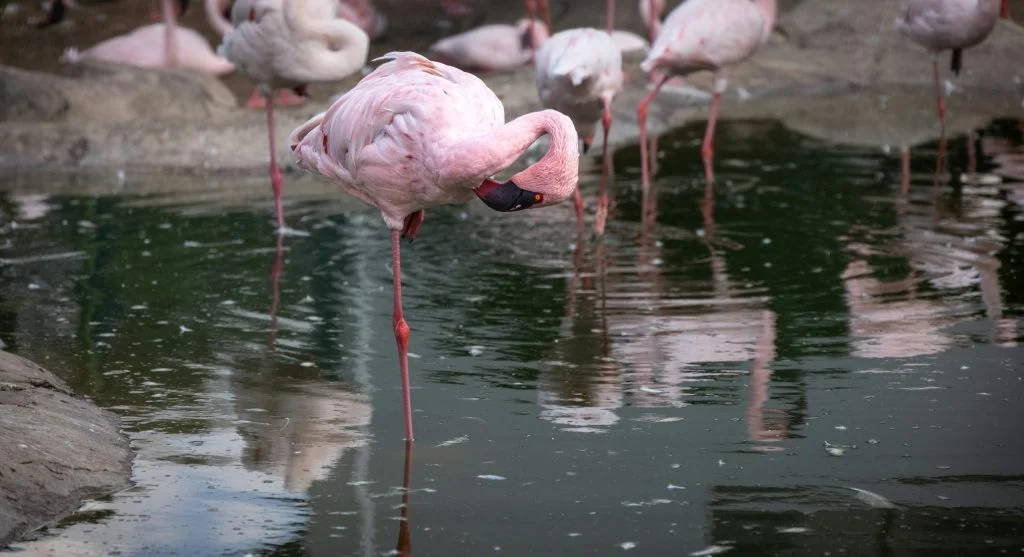
Bird balance behavior remains highly developed in flamingos and many other wading birds.
Wildlife researchers explain that flamingos can maintain stable posture while resting on one leg for long periods.
Strong tendons and body positioning help support this balance naturally.
Flamingos Often Rest While Standing
Unlike some animals that lie down frequently, flamingos often rest while remaining upright in shallow water.
Wildlife experts explain that one-leg posture may allow muscles to relax efficiently during resting periods.
Energy conservation remains important for many bird species.
Wetlands Provide Important Flamingo Habitat
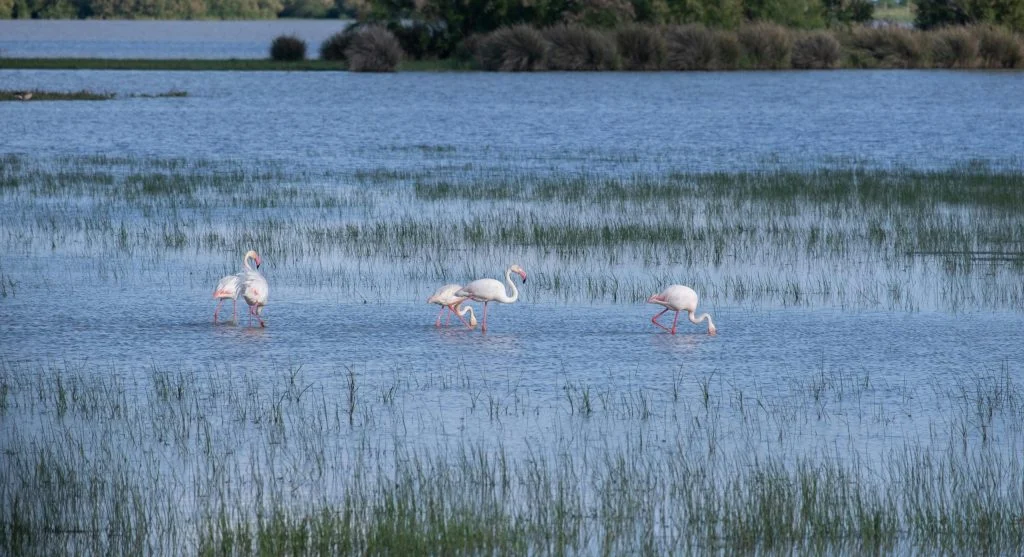
Flamingos commonly inhabit wetlands, salt lakes, coastal lagoons, and shallow freshwater environments.
Researchers explain that these ecosystems provide feeding opportunities and nesting areas for large bird colonies.
Healthy wetlands support many migratory and waterbird species.
Flamingos Feed Using Specialized Beaks
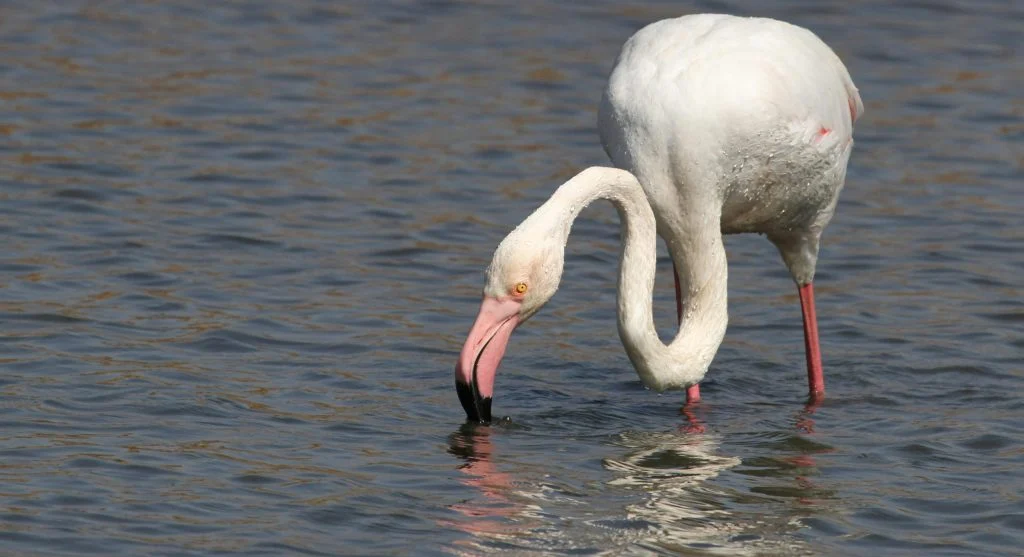
Flamingos use uniquely shaped beaks to filter tiny organisms and plant material from shallow water.
Wildlife specialists explain that feeding behavior often involves moving the head upside down while filtering food.
Wetland ecosystems provide important food resources for waterbirds.
Large Colonies Improve Group Protection
Flamingos commonly live and nest in large groups that may contain thousands of birds.
Wildlife researchers explain that colony behavior can improve awareness of predators and environmental conditions.
Social interaction remains important for many bird species.
Wetland Conservation Supports Flamingo Populations
Pollution, habitat loss, and environmental changes may affect wetland ecosystems and waterbird populations.
Researchers studying why flamingos stand on one leg continue monitoring wetland biodiversity and habitat conditions worldwide.
Conservation organizations emphasize the importance of protecting wetlands that support migratory birds and aquatic ecosystems.
Frequently Asked Questions
Q: Why do flamingos stand on one leg?
A: Researchers believe one-leg posture may help reduce heat loss and conserve energy.
Q: Do flamingos sleep while standing?
A: Yes. Flamingos often rest and sleep while standing in shallow water.
Q: Where do flamingos live?
A: Flamingos commonly inhabit wetlands, lagoons, salt lakes, and shallow coastal habitats.
Q: What do flamingos eat?
A: Flamingos feed on tiny aquatic organisms, algae, and plant material.
Q: Why are wetlands important for flamingos?
A: Wetlands provide food, nesting areas, and habitat protection for flamingo colonies.
Key Takeaway
Understanding why flamingos stand on one leg highlights the remarkable adaptations birds develop for survival in wetland ecosystems. Balance control, heat conservation, resting behavior, and social colony life all contribute to flamingo survival in aquatic habitats. Wildlife researchers and conservation organizations continue emphasizing the importance of protecting wetlands and maintaining biodiversity for migratory and waterbird species worldwide.