Sharks are among the most misunderstood animals living in ocean ecosystems. Movies, television, and exaggerated stories have contributed to many incorrect ideas about shark behavior and marine wildlife.
Marine researchers studying shark myths explain that sharks play important ecological roles within ocean food chains and biodiversity systems. Understanding real shark behavior facts helps improve awareness about marine conservation and ecosystem balance.
Myth 1: All Sharks Are Dangerous to Humans
One of the most common shark myths claims all shark species are aggressive toward humans. Marine experts explain that there are hundreds of shark species, and most do not interact with people regularly.
Many shark species are relatively small and feed mainly on fish or smaller marine organisms.
Researchers continue studying marine predator behavior across ocean ecosystems.

Myth 2: Sharks Constantly Hunt Large Animals
Wildlife researchers explain that shark feeding behavior varies greatly between species and habitat conditions.
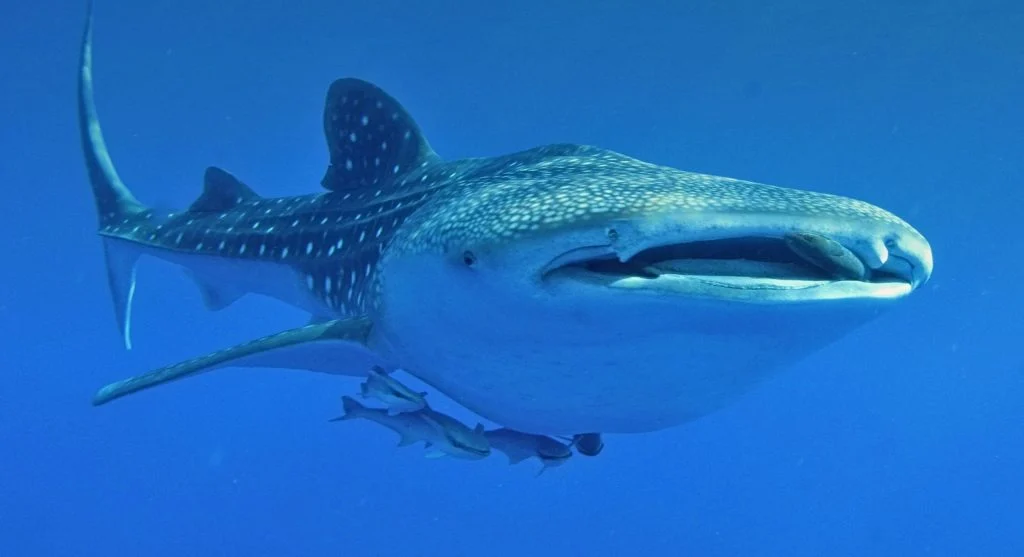
Some sharks feed on plankton, while others eat fish, squid, or smaller marine animals.
Ocean ecosystems contain many specialized feeding adaptations.
Myth 3: Sharks Are Mindless Predators
Marine experts explain that sharks possess advanced sensory systems helping detect movement, sound, and electrical signals in water.
Researchers studying shark behavior facts continue examining learning ability and environmental awareness in different species.
Predator behavior often depends on ecosystem conditions and food availability.
Myth 4: Sharks Must Always Keep Moving
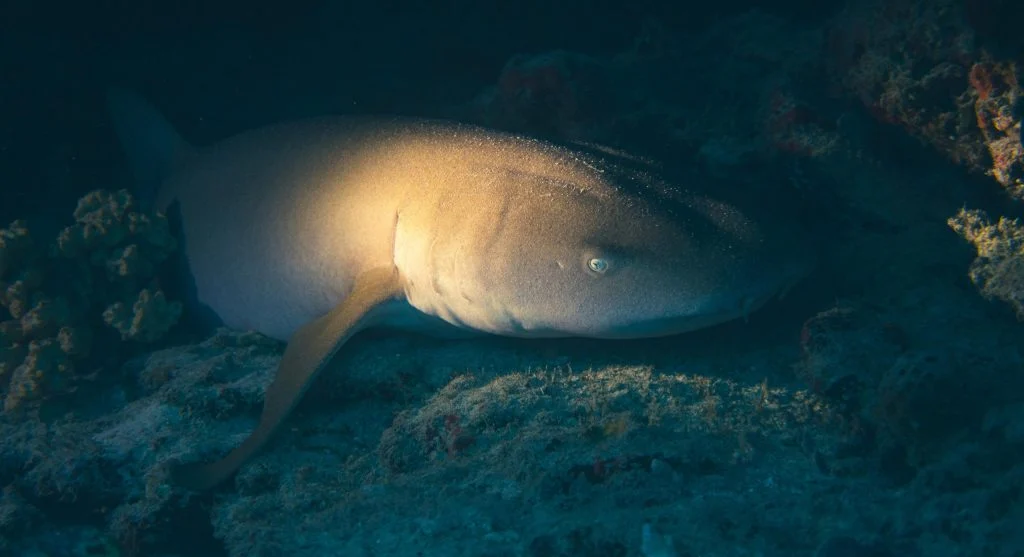
Although some shark species swim continuously, others can rest while remaining relatively still on the ocean floor.
Marine researchers explain that breathing methods differ between species.
Different environmental adaptations support survival across marine habitats.
Myth 5: Sharks Only Live in Deep Oceans
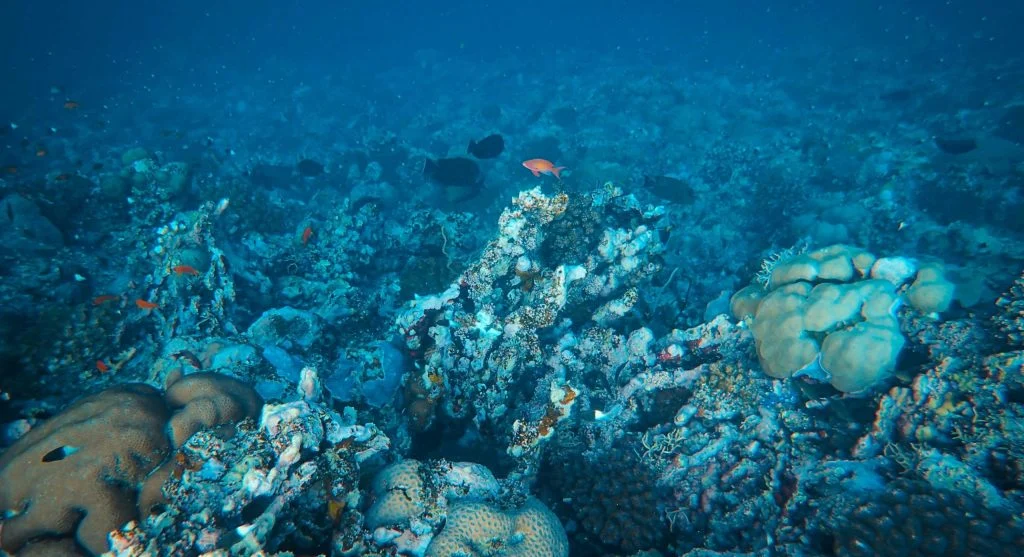
Sharks inhabit many environments including coral reefs, coastal waters, open oceans, and even some river systems.
Wildlife experts explain that habitat preference depends on species, water temperature, and food resources.
Marine biodiversity includes sharks adapted to very different ecosystems.
Myth 6: Sharks Are Not Important for Ecosystems
Marine predators help maintain balanced ocean food chains and ecosystem stability.
Researchers explain that predator-prey relationships contribute to healthy biodiversity in marine environments.
Sharks remain important components of many ocean ecosystems.
Myth 7: Shark Populations Never Face Environmental Pressure
Pollution, habitat degradation, and environmental changes may affect marine ecosystems and shark populations.
Marine conservation organizations continue monitoring biodiversity and supporting ocean habitat protection programs.
Researchers studying shark myths emphasize the importance of protecting marine ecosystems and supporting long-term biodiversity conservation.
Frequently Asked Questions
Q: Are all sharks dangerous to humans?
A: No. Most shark species do not regularly interact with humans.
Q: Do sharks eat the same foods?
A: No. Shark diets vary greatly depending on species and habitat.
Q: Why are sharks important for ecosystems?
A: Sharks help maintain balanced predator-prey relationships in marine food chains.
Q: Where do sharks live?
A: Sharks inhabit coral reefs, coastal waters, oceans, and some river systems.
Q: What threatens shark populations?
A: Habitat degradation, pollution, and environmental changes may affect sharks.
Key Takeaway
Understanding the truth behind common shark myths helps improve awareness about marine biodiversity and ecosystem balance. Sharks display diverse feeding behavior, habitat adaptation, and ecological importance across ocean environments worldwide. Marine researchers and conservation organizations continue emphasizing the importance of protecting sharks and supporting healthy marine ecosystems through long-term conservation efforts.