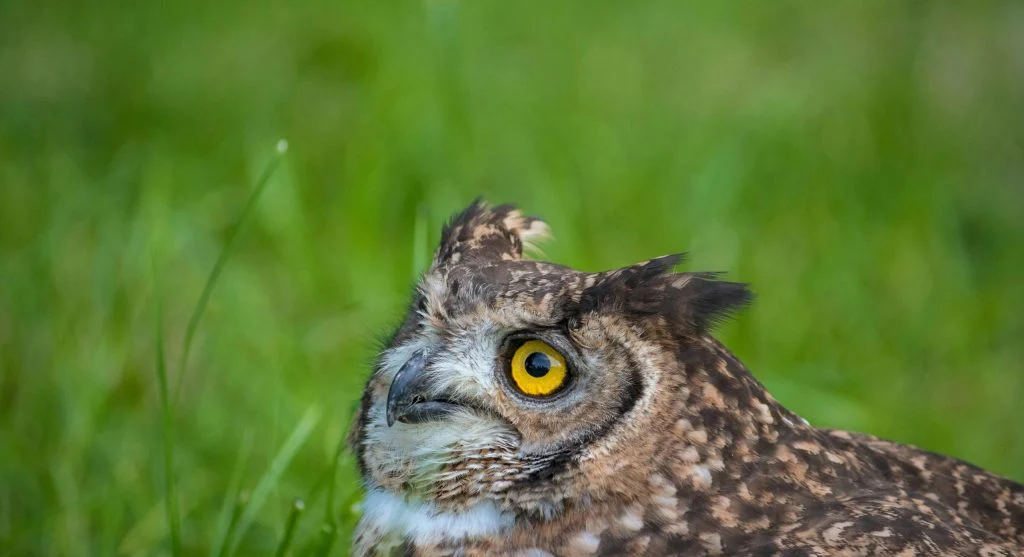
Bats are among the most misunderstood animals found in forests, caves, wetlands, deserts, and urban environments. Movies, myths, and fictional stories have contributed to many inaccurate ideas about bat behavior and wildlife ecology.
Wildlife researchers studying bat myths explain that bats play important ecological roles involving insect control, pollination, and seed dispersal. Understanding real bat behavior facts helps improve conservation awareness and public understanding of nocturnal wildlife.
Myth 1: All Bats Drink Blood
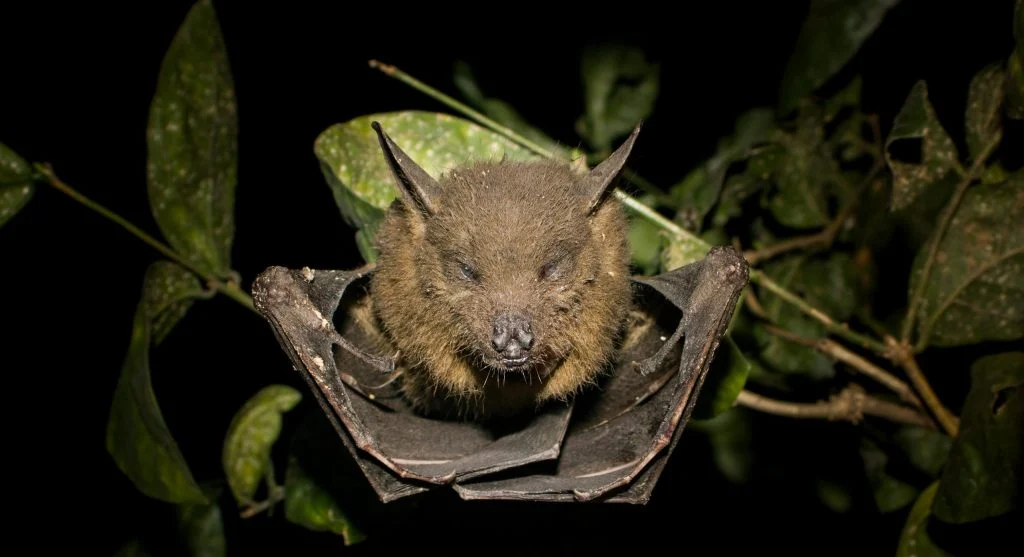
One of the most common bat myths is the belief that all bats feed on blood. Wildlife experts explain that only a very small number of bat species consume blood.
Most bats feed on insects, fruit, nectar, pollen, or small animals depending on species.
Researchers studying nocturnal wildlife emphasize that bat diets vary greatly across ecosystems.
Credit: Qiladat Com / Pexels
Myth 2: Bats Are Blind
Another widely repeated myth claims bats cannot see. Wildlife researchers explain that bats actually possess functional eyesight, although vision ability varies between species.
Many bats also use echolocation for navigation and hunting in low-light environments.
Echolocation helps detect objects through sound reflections.
Myth 3: Bats Commonly Attack Humans
Wildlife experts explain that bats generally avoid direct interaction with humans. Most bat species are small and focused on feeding or resting rather than approaching people.
Bats usually attempt to escape when disturbed.
Researchers studying bat behavior facts encourage observing wildlife from safe distances without disturbing roosting animals.
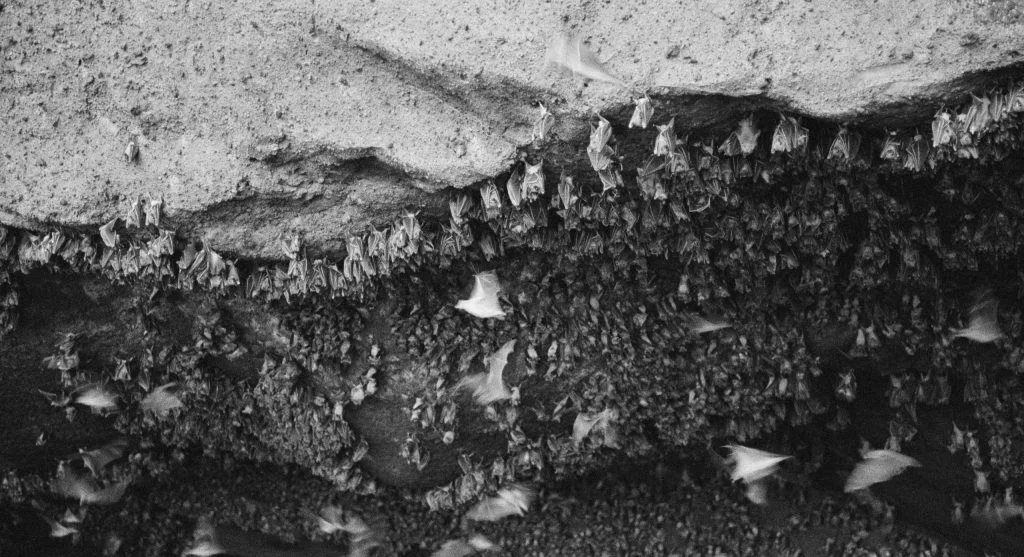
Myth 4: Bats Are Only Found in Caves
Although some bats use caves for shelter, many species also live in forests, hollow trees, rocky cliffs, wetlands, and even urban environments.
Wildlife specialists explain that habitat choice depends on climate, food availability, and species behavior.
Different ecosystems support different bat populations.
Myth 5: Bats Do Not Help Ecosystems
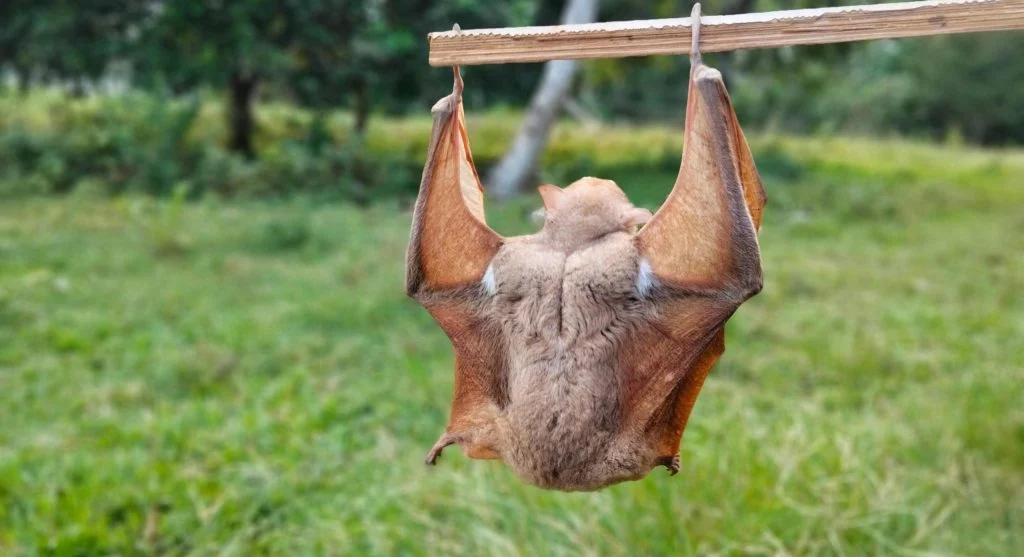
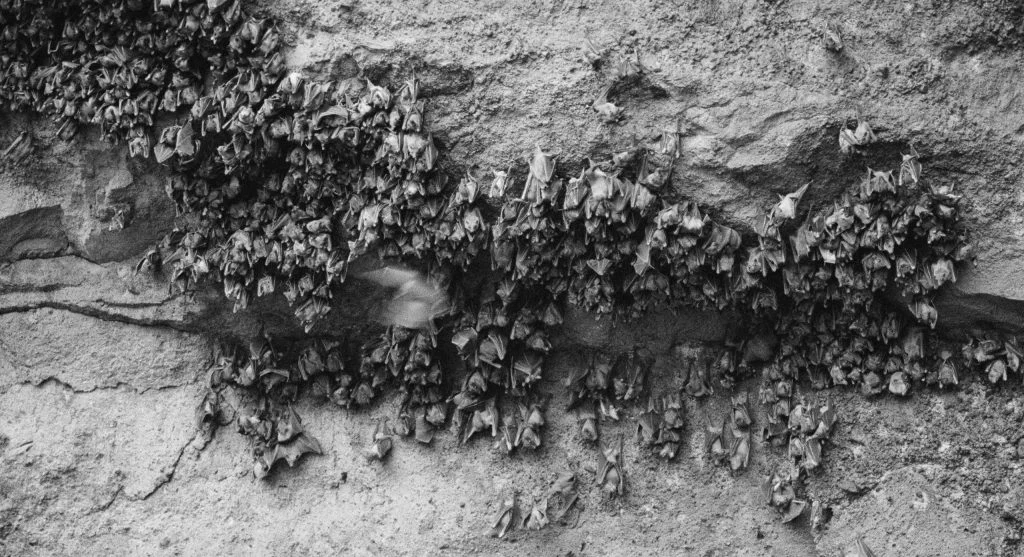
Bats provide important ecological benefits in many regions. Insect-eating bats help reduce insect populations, while fruit and nectar-feeding bats contribute to pollination and seed dispersal.
Wildlife experts explain that ecosystem pollinators support biodiversity and healthy plant communities.
Many forests and flowering plants benefit indirectly from bat activity.
Credit: Vladimir Konoplev / Pexels
Myth 6: All Bats Are Large
Bat species vary greatly in size. Wildlife researchers explain that many bats are actually quite small and lightweight.
Different species also vary in wing shape, feeding behavior, and habitat preference.
Global biodiversity includes hundreds of bat species adapted to different environments.
Myth 7: Bats Only Live in Warm Climates
While many bats inhabit tropical ecosystems, others survive in temperate forests and cooler environments.
Wildlife experts explain that some species migrate seasonally while others use hibernation-like states during colder months.
Environmental conditions strongly influence regional bat activity patterns.
Myth 8: Bat Conservation Is Not Important
Habitat loss, environmental changes, and disturbance of roosting areas may affect bat populations in many regions.
Wildlife conservation organizations continue supporting habitat protection and biodiversity monitoring programs involving bat species.
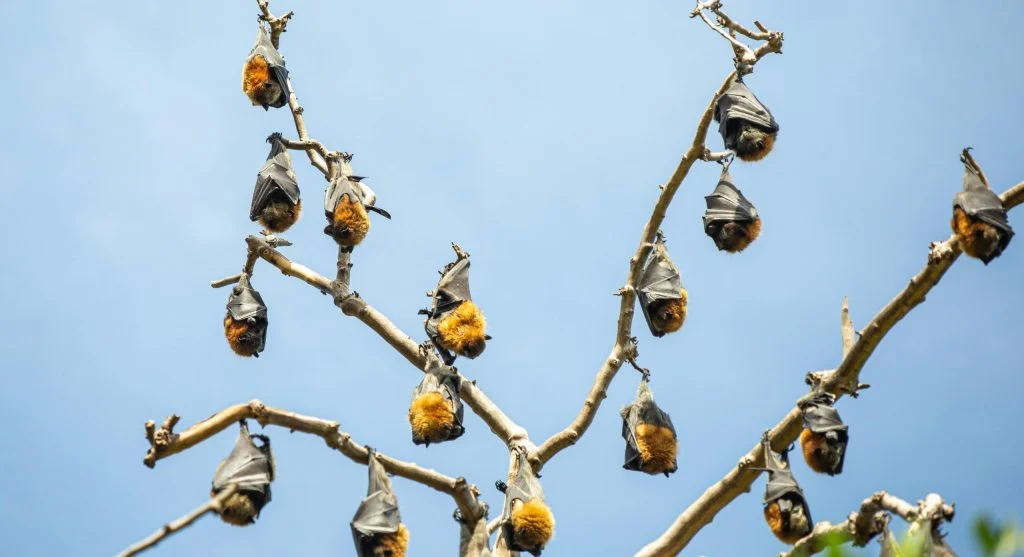
Researchers studying bat myths emphasize the importance of protecting ecosystems that support pollinators, insect control species, and healthy biodiversity.
Credit: Will Mu / Pexels
Frequently Asked Questions
Q: Do all bats drink blood?
A: No. Most bat species feed on insects, fruit, nectar, or pollen.
Q: Are bats blind?
A: No. Bats can see, and many also use echolocation for navigation.
Q: Why are bats important for ecosystems?
A: Bats help with insect control, pollination, and seed dispersal.
Q: Where do bats live?
A: Bats may live in caves, forests, wetlands, cliffs, and urban areas.
Q: What threatens bat populations?
A: Habitat loss, environmental changes, and roost disturbance may affect bat populations.
Key Takeaway
Understanding the truth behind common bat myths highlights the important ecological roles bats play in healthy ecosystems worldwide. Pollination, insect control, seed dispersal, and nighttime biodiversity all benefit from bat populations and their specialized adaptations. Wildlife researchers and conservation groups continue emphasizing the importance of protecting bat habitats and improving public awareness about nocturnal wildlife conservation.