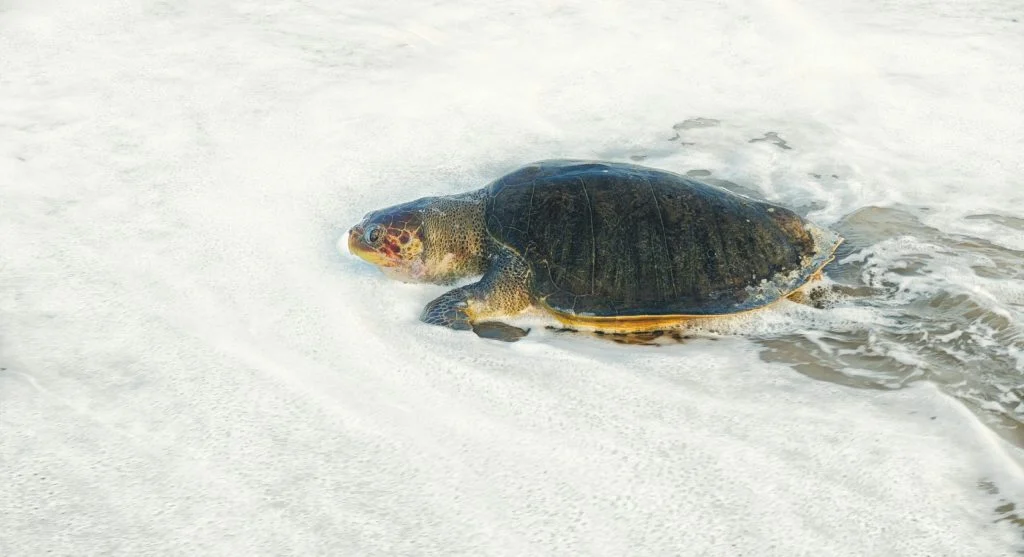
Sea turtles are ancient marine reptiles that travel across large ocean ecosystems throughout their lives. Despite spending most of their time in the ocean, female sea turtles return to sandy coastal beaches for nesting and egg laying during breeding seasons.
Marine researchers studying sea turtle nesting beaches explain that these coastal habitats remain essential for reproduction, biodiversity, and long-term marine conservation. Protected nesting beaches help support sea turtle populations and healthier marine ecosystems worldwide.
Female Sea Turtles Return to Nesting Beaches
One remarkable feature of sea turtle reproduction involves nesting site return behavior. Wildlife experts explain that many female sea turtles return to beaches similar to the areas where they originally hatched.
Nesting activity often occurs during nighttime hours.
Coastal wildlife protection remains important for successful reproduction.
Warm Sand Helps Support Egg Development
After digging nests in the sand, sea turtles lay eggs and cover them before returning to the ocean.
Marine researchers explain that sand temperature and environmental conditions influence egg incubation.
Healthy coastal habitats support successful nesting cycles.
Hatchlings Face Difficult Journeys to the Ocean
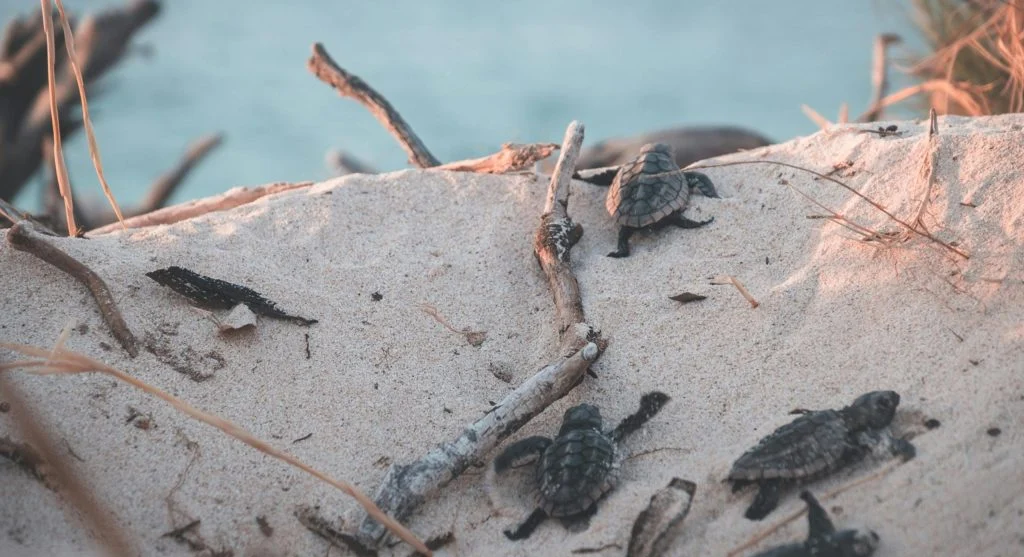
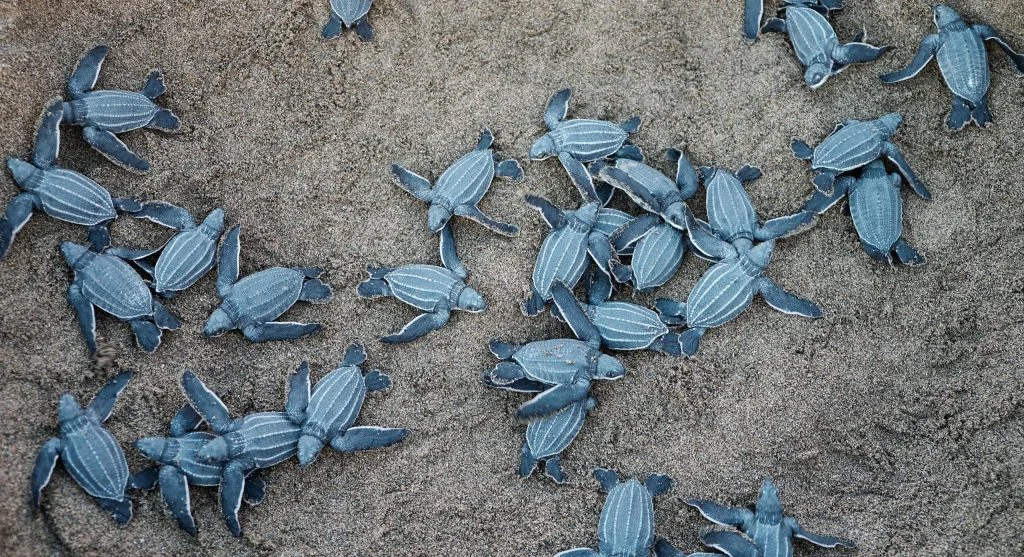
After hatching, young sea turtles move across beaches toward ocean water.
Wildlife experts explain that hatchlings may face natural predators and environmental challenges during this journey.
Protected nesting beaches may improve survival opportunities.
Artificial Lighting Can Affect Hatchling Movement
Marine conservation researchers explain that artificial beachfront lighting may confuse hatchlings during nighttime movement.
Young turtles naturally orient toward brighter natural light reflecting from the ocean horizon.
Environmental conditions strongly influence wildlife behavior.
Sea Turtles Play Roles in Marine Ecosystems
Sea turtles contribute to ocean biodiversity and ecosystem balance through feeding and habitat interaction.
Marine wildlife experts explain that healthy turtle populations support broader marine ecosystem stability.
Different species may use coral reefs, seagrass beds, and open oceans throughout life.
Coastal Habitats Face Environmental Pressure
Pollution, habitat loss, erosion, and environmental changes may affect nesting beaches and marine wildlife habitats.
Researchers continue monitoring coastal biodiversity and reproductive success in sea turtle populations.
Healthy beaches remain important for marine conservation programs.
Conservation Programs Help Protect Nesting Areas
Conservation organizations support beach monitoring, habitat restoration, and wildlife protection programs in many coastal regions.
Researchers studying sea turtle nesting beaches emphasize the importance of preserving coastal ecosystems and reducing environmental disturbance.
Long-term conservation efforts remain important for marine biodiversity and sea turtle survival.
Frequently Asked Questions
Q: Why are sea turtle nesting beaches important?
A: Nesting beaches support reproduction and help maintain sea turtle populations.
Q: Why do sea turtles return to beaches?
A: Female sea turtles return to lay eggs in sandy nesting habitats.
Q: What affects sea turtle hatchlings?
A: Predators, artificial lighting, and habitat conditions may affect hatchling survival.
Q: Why are coastal habitats important for marine conservation?
A: Coastal ecosystems support biodiversity and wildlife reproduction.
Q: What threatens nesting beaches?
A: Pollution, habitat loss, erosion, and environmental changes may affect nesting areas.
Key Takeaway
Sea turtle nesting beaches play a major role in supporting marine biodiversity, wildlife reproduction, and coastal ecosystem stability. Protected sandy habitats help sea turtles complete important life cycle stages while supporting healthier marine environments worldwide. Marine researchers and conservation organizations continue emphasizing the importance of preserving nesting beaches and maintaining long-term coastal habitat conservation efforts.