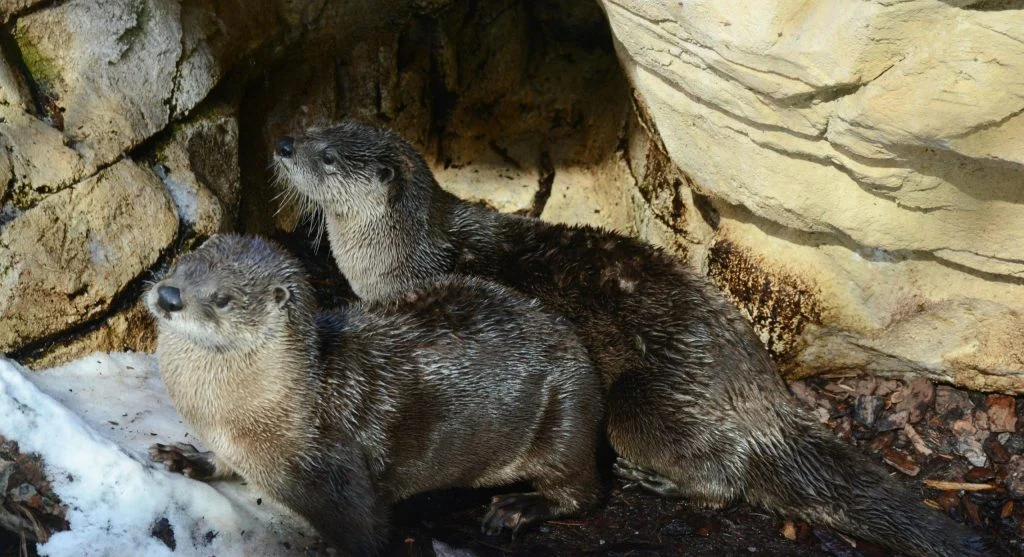
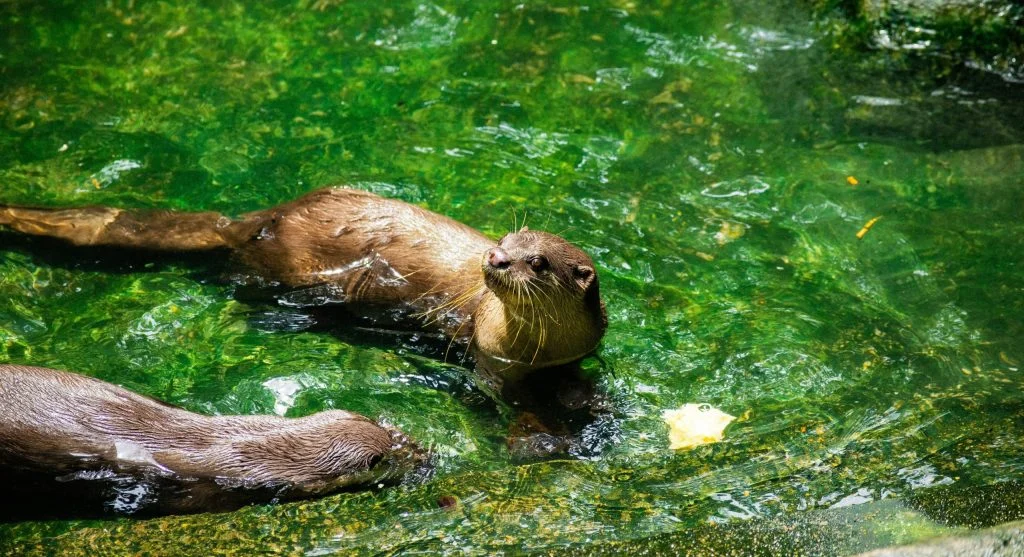
River otters are energetic mammals that spend much of their lives in rivers, lakes, marshes, and coastal waterways. Known for their playful nature and strong swimming skills, these animals often show behaviors that look more like games than survival strategies.
One of their most interesting behaviors happens in winter, when river otters create smooth tracks and slides along snowy riverbanks. Researchers studying why river otters slide on snow explain that this activity has several practical purposes beyond simple play. Sliding helps conserve energy, makes travel easier, and strengthens social bonds within otter groups.
Sliding Requires Less Energy Than Walking
One major reason river otters slide on snow is energy conservation.
Wildlife experts explain that moving through deep snow can take a lot of effort.
By sliding on their bellies, otters can travel downhill while using less energy.
This efficient movement becomes especially useful during winter.
Otters Create Repeated Sliding Paths
Researchers explain that many otters use the same routes again and again.
Over time, these paths become smooth tracks that make future travel easier.
Popular slides may be used by several otters throughout the season.
Repeated use helps maintain well-established travel corridors.
Play Helps Develop Important Skills
Young otters spend a lot of time exploring and playing.
Wildlife specialists explain that playful behavior often helps build balance, coordination, and confidence.
Skills developed through play may support survival later in life.
Many intelligent mammals use similar activities for learning.
Social Bonds Are Strengthened Through Group Activities
River otters are often seen interacting with family members and other otters.
Researchers studying river otter behavior explain that shared activities may help strengthen social relationships.
Strong social connections can improve communication and cooperation.
Frequently Asked Questions
Q: Why do river otters slide on snow?
A: Sliding helps conserve energy and makes travel easier during winter.
Q: Do otters slide only for fun?
A: Play may be involved, but sliding also provides practical benefits.
Q: What do river otters eat during winter?
A: They mainly feed on fish and other aquatic animals.
Q: Are river otters social animals?
A: Yes. Many river otters interact closely with family members and groups.
Q: Can river otters swim in icy water?
A: Yes. Thick fur and specialized adaptations help them survive cold conditions.