Porcupines are among the most recognizable mammals in the world because of their striking coat of sharp quills. These slow-moving animals live in forests, grasslands, deserts, and mountain regions across several continents. While many animals depend on speed or strength to escape danger, porcupines use a very different survival strategy.
Researchers studying why porcupines have quills explain that these specialized structures give them strong protection against predators. Instead of running from danger, porcupines often rely on their natural armor to discourage attacks.
Quills Are Modified Hairs
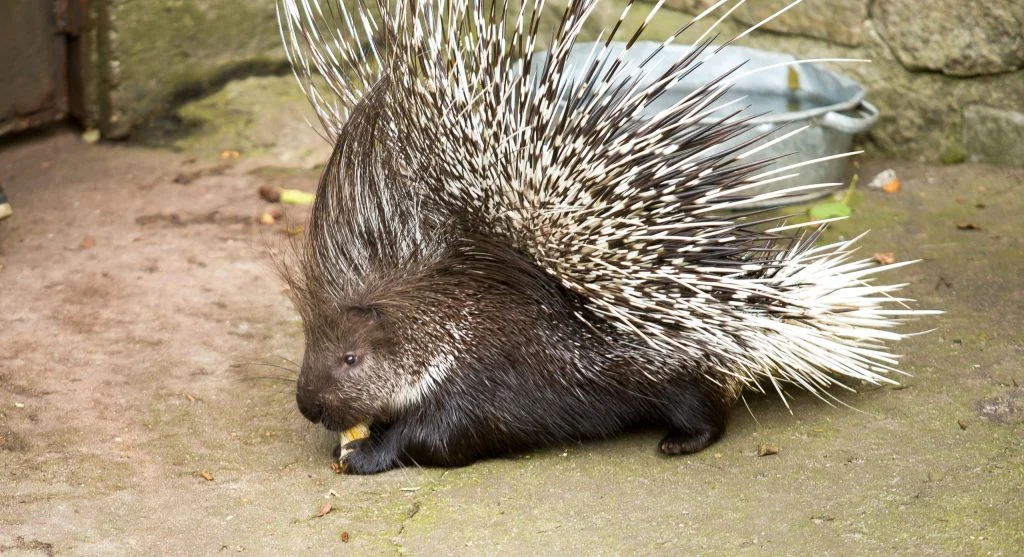
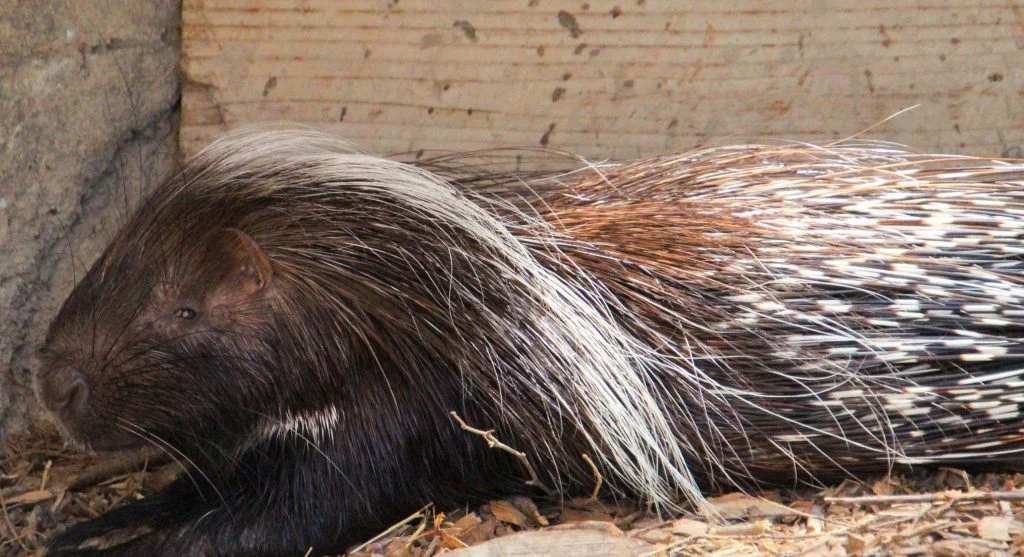
One major reason porcupines are so unique is that their quills are actually specialized hairs.
Wildlife experts explain that quills are made of keratin, the same protein found in human hair and fingernails.
Over time, these hairs evolved into stiff protective structures.
An adult porcupine may have tens of thousands of quills covering its body.
Quills Help Deter Predators
Porcupines face threats from large mammals, birds of prey, and other predators.
Researchers explain that quills act as a powerful warning signal.
Predators often learn to avoid porcupines after painful encounters.
This defensive adaptation helps reduce attacks.
Porcupines Do Not Shoot Their Quills
One of the most common myths about porcupines is that they can shoot their quills.
Scientists explain that porcupines cannot launch quills through the air.
Instead, the quills detach when they make contact with another animal.
The myth likely began because loose quills can become embedded during close encounters.
Tail Displays Serve as Warnings
When threatened, many porcupines raise their quills and turn their backs toward danger.
Wildlife specialists explain that some species may also shake their tails to create warning sounds.
These displays encourage predators to keep their distance.
Avoiding conflict is often safer than fighting.
Porcupines Are Excellent Climbers
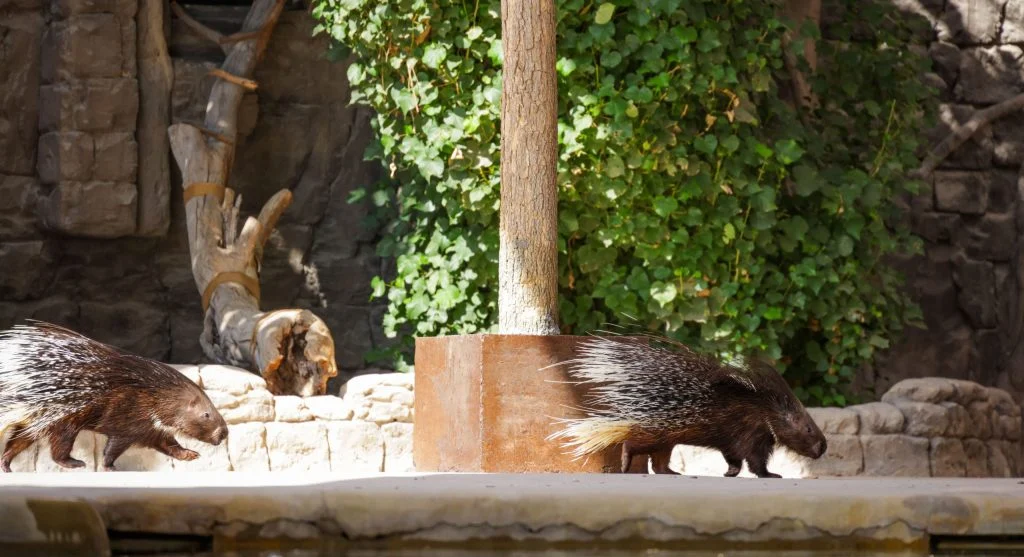
Although they may look slow on the ground, many porcupines are skilled climbers.
Researchers explain that strong claws help them move through trees while searching for food.
Climbing trees gives them extra protection from some predators.
Forested habitats also provide important resources for many species.
Their Diet Consists Mostly of Plants
Porcupines are herbivores that feed on leaves, bark, stems, roots, and other plant material.
Wildlife experts explain that their food choices may change depending on habitat and season.
A plant-based diet helps them survive across many different environments.
Researchers Continue Studying Porcupine Adaptations
Scientists continue studying why porcupines have quills and how defensive adaptations evolve.
This research helps improve understanding of predator-prey relationships and wildlife survival strategies.
Conservation programs also help protect the habitats that support porcupine populations.
Frequently Asked Questions
Q: Why do porcupines have quills?
A: Quills help protect porcupines from predators.
Q: Can porcupines shoot their quills?
A: No. Quills detach only after contact.
Q: What are porcupine quills made of?
A: Quills are made of keratin, the same material found in hair and nails.
Q: What do porcupines eat?
A: Porcupines mainly eat leaves, bark, stems, and other plant material.
Q: Are porcupines good climbers?
A: Yes. Many species spend significant time climbing trees.