
Bighorn sheep are among the most impressive mammals found in North America’s rugged mountain regions. Known for their huge curved horns and remarkable climbing ability, these animals are well adapted to life on steep cliffs and rocky terrain.
One of the most fascinating behaviors seen in bighorn sheep happens during the breeding season. Researchers studying why bighorn sheep headbutt explain that males often compete for mating opportunities through dramatic contests that involve charging at one another and colliding head-on. These battles help establish dominance and determine access to females.
Horns Play an Important Role in Competition
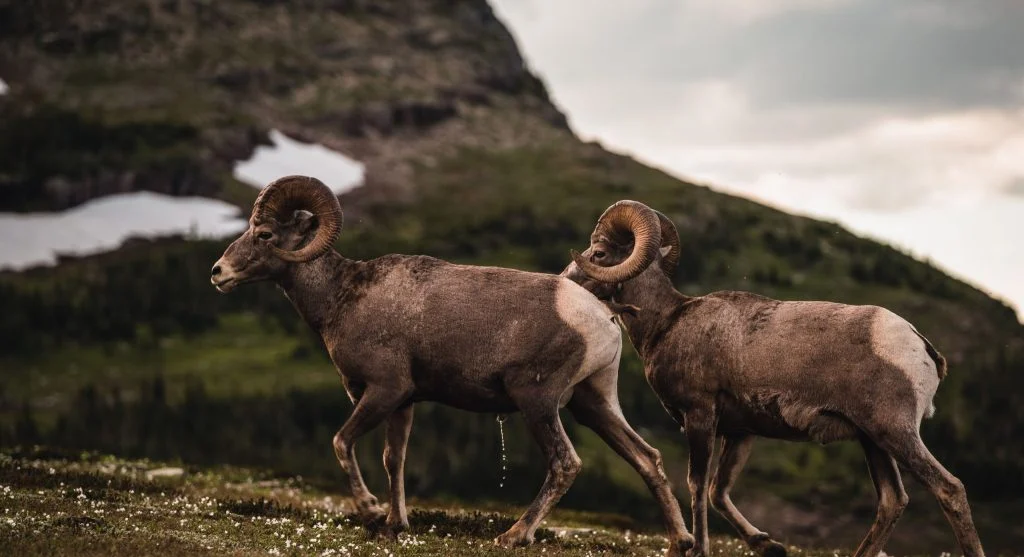
One major reason bighorn sheep headbutt is connected to their large horns.
Wildlife experts explain that males develop much larger horns than females.
These horns are used during contests that help determine social rank within the population.
Larger and stronger males often gain higher positions in the hierarchy.
Mating Season Increases Competition
For much of the year, male bighorn sheep may spend time in separate groups.
Researchers explain that competition becomes stronger during breeding season when males look for chances to mate.
This period often leads to displays of strength and dominance.
Competition helps decide which individuals gain breeding access.
Headbutting Helps Establish Dominance
Wildlife researchers explain that males sometimes rear up before charging toward their rivals.
The powerful collisions can create loud impacts that echo through mountain valleys.
These contests allow sheep to test each other’s strength and endurance.
Many confrontations end without serious injury.
Special Skull Adaptations Help Absorb Impact
Scientists studying bighorn sheep behavior have found several adaptations that help reduce the risk of injury.
Their skull structure, horn design, and strong neck muscles help absorb powerful impacts.
These features allow males to withstand forces that would seriously injure many other animals.

Mountain Habitats Provide Natural Protection
Bighorn sheep are strongly adapted to life in steep terrain.
Researchers explain that rocky cliffs help protect them from predators.
Strong hooves and excellent balance allow sheep to move across difficult landscapes.
These habitats remain important for their long-term survival.
Younger Males Learn Through Observation
Young males often watch older animals during competition.
Wildlife experts explain that experience helps younger sheep understand social structure and behavior.
Learning from mature individuals may improve their future success.
Conservation Efforts Support Healthy Populations
Scientists continue studying why bighorn sheep headbutt while also monitoring mountain ecosystems and wildlife populations.
Conservation programs help protect habitat, migration routes, and biodiversity.
Healthy mountain environments support both bighorn sheep and many other species.

Frequently Asked Questions
Q: Why do bighorn sheep headbutt?
A: Headbutting helps establish dominance and determine breeding opportunities.
Q: Do female bighorn sheep headbutt?
A: Females may compete occasionally, but dramatic contests are more common among males.
Q: How do bighorn sheep avoid injury?
A: Their skulls, horns, and neck muscles help absorb impact forces.
Q: Where do bighorn sheep live?
A: They inhabit mountainous and rocky regions throughout parts of North America.
Q: Why are horns important?
A: Horns help with competition, defense, and social ranking.