Bears are among the most misunderstood animals in the wild. Movies, internet stories, and outdated information have contributed to many misconceptions about how bears behave around humans.
Wildlife experts studying bear behavior facts explain that understanding accurate information is important for outdoor safety and wildlife conservation. Learning the truth behind common bear myths can help hikers, campers, and outdoor visitors make safer decisions in bear habitats.
Myth 1: Bears Always Attack Humans on Sight
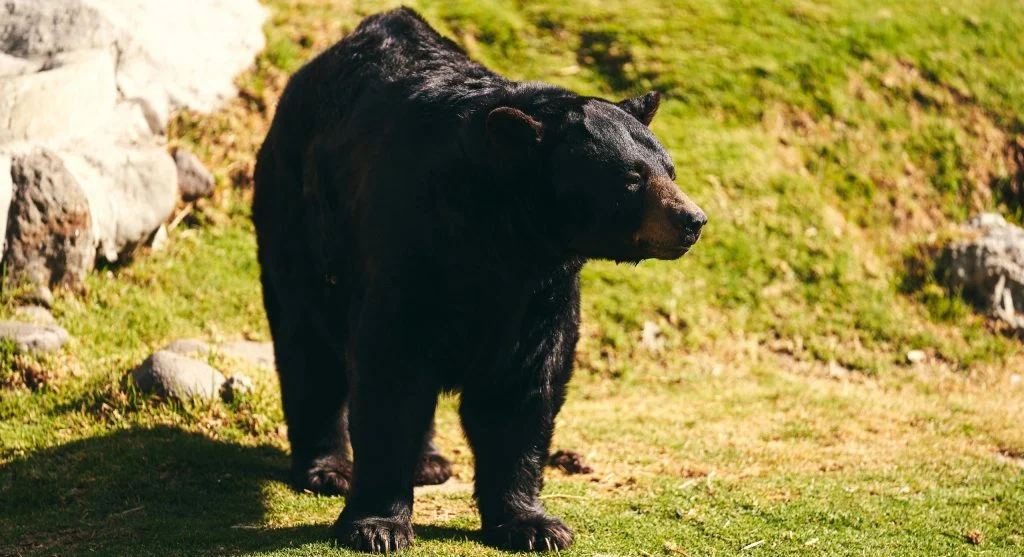
One of the most widespread common bear myths is the idea that bears naturally hunt humans. Wildlife researchers explain that most bears prefer avoiding people whenever possible.
Bears often leave areas before humans even notice them. According to conservation specialists, many encounters happen because bears are surprised at close range or protecting food, cubs, or territory.
Outdoor wildlife safety experts recommend making noise while hiking to reduce the chance of sudden encounters in dense vegetation or near streams.
Credit: Willians Huerta / Pexels
Myth 2: Running Away Is the Best Response
Wildlife specialists strongly warn against running during bear encounters. Bears can move surprisingly fast, even across rough terrain.
According to outdoor safety researchers, running may trigger a chase response in some situations. Experts instead recommend remaining calm, speaking in a steady voice, and slowly backing away while avoiding sudden movements.
Bear encounter myths often oversimplify situations, but proper response strategies may vary depending on the species and behavior involved.
Myth 3: Bears Only Live in Deep Wilderness Areas
Some people believe bears only exist far from human activity, but wildlife experts explain that bears may travel through forests, wetlands, mountain foothills, and even areas near communities.
Expanding human development and changing food availability can increase the chances of bear sightings in some regions.
Conservation organizations encourage proper trash storage and responsible outdoor practices to reduce human-bear conflicts near populated areas.
Myth 4: Bears Hibernate Without Waking Up
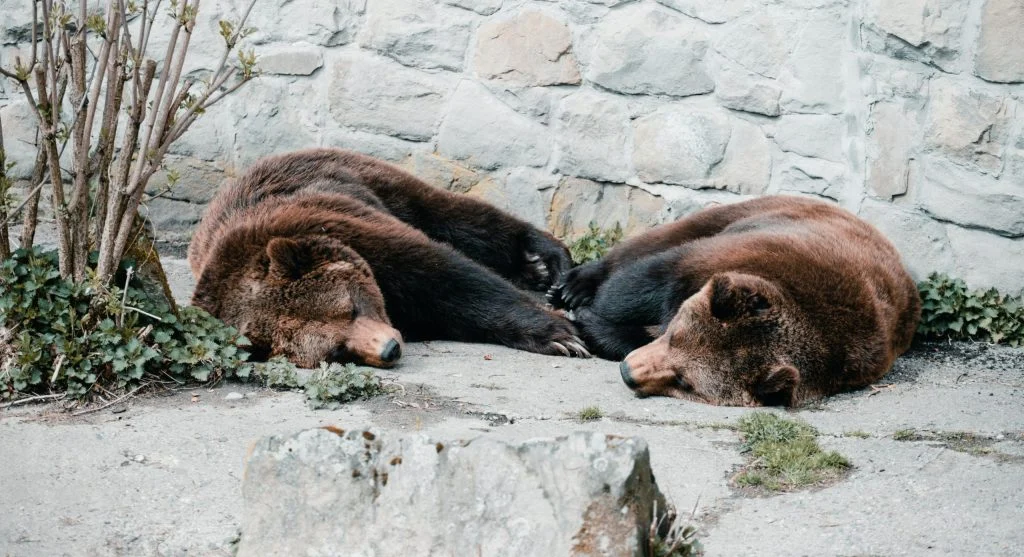
Another common misunderstanding involves bear hibernation behavior. Wildlife biologists explain that bears enter a long resting period during winter, but they may occasionally wake up or move during warmer periods.
Female bears may also give birth to cubs while inside dens during winter months.
Researchers studying bear behavior facts note that hibernation helps conserve energy when food sources become scarce during colder seasons.
Credit: Mateusz Feliksik / Pexels
Myth 5: Feeding Bears Helps Them Survive
Wildlife conservation groups strongly discourage feeding bears. Human food can change natural behavior and increase dangerous interactions between bears and people.
Bears that become used to human food sources may begin approaching campsites, roads, or neighborhoods more frequently.
Outdoor wildlife safety experts explain that proper food storage is one of the most effective ways to prevent unsafe encounters in bear country.
Myth 6: Small Bears Are Safe to Approach
People sometimes assume smaller or younger bears are less dangerous, but wildlife specialists warn against approaching any wild bear.
Young cubs are often closely protected by adult females nearby. Approaching cubs may create highly risky situations.
Conservation researchers recommend observing all wildlife from safe distances while using binoculars or zoom cameras when possible.
Myth 7: Bears Are Always Aggressive During Encounters
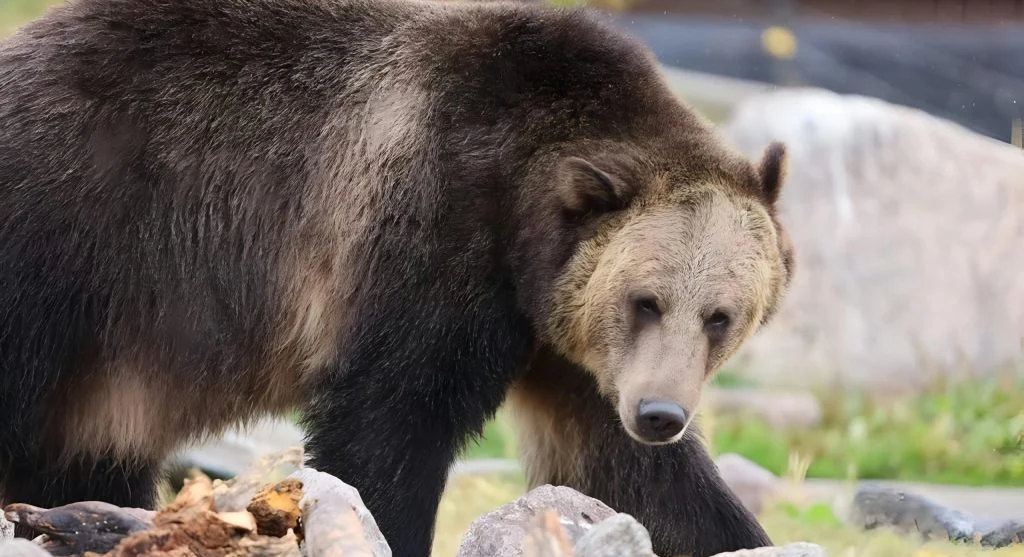
Many bear encounters end without aggression because bears often attempt avoiding conflict. Wildlife researchers explain that body language can provide important clues about a bear’s behavior.
Defensive behaviors may include huffing sounds, jaw popping, or bluff charges meant to create distance rather than physical attacks.
Experts studying common bear myths emphasize that understanding natural wildlife behavior helps reduce fear and improve outdoor safety awareness.
Credit: De Stressville / Pexels
Frequently Asked Questions
Q: Do bears naturally hunt humans?
A: Wildlife experts explain that most bears prefer avoiding people and rarely seek human interaction intentionally.
Q: Should people run during a bear encounter?
A: Outdoor safety specialists generally recommend avoiding sudden running because bears can move very quickly.
Q: Is feeding bears dangerous?
A: Yes. Feeding bears may change natural behavior and increase unsafe encounters near campsites or communities.
Q: Do bears fully sleep through winter?
A: Bears enter long resting periods during winter but may occasionally wake or move during warmer conditions.
Q: Why should people avoid approaching bear cubs?
A: Adult female bears are often nearby and may behave defensively to protect young cubs.
Key Takeaway
Understanding the truth behind common bear myths helps improve outdoor safety and supports better wildlife awareness. Bears are complex animals that usually avoid people when given space and respect. Wildlife experts continue encouraging responsible outdoor behavior, proper food storage, and accurate education about bear behavior facts to reduce unnecessary fear and dangerous encounters.