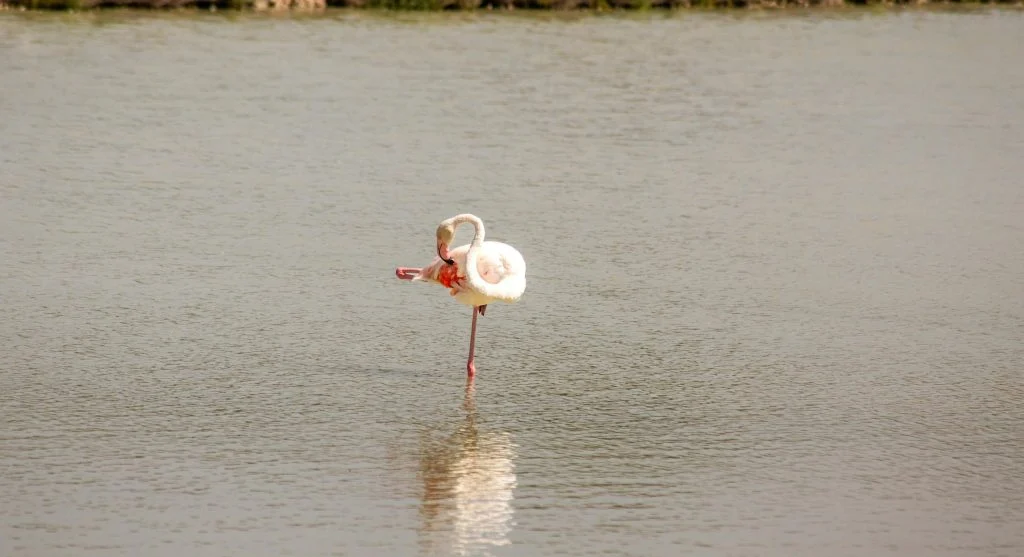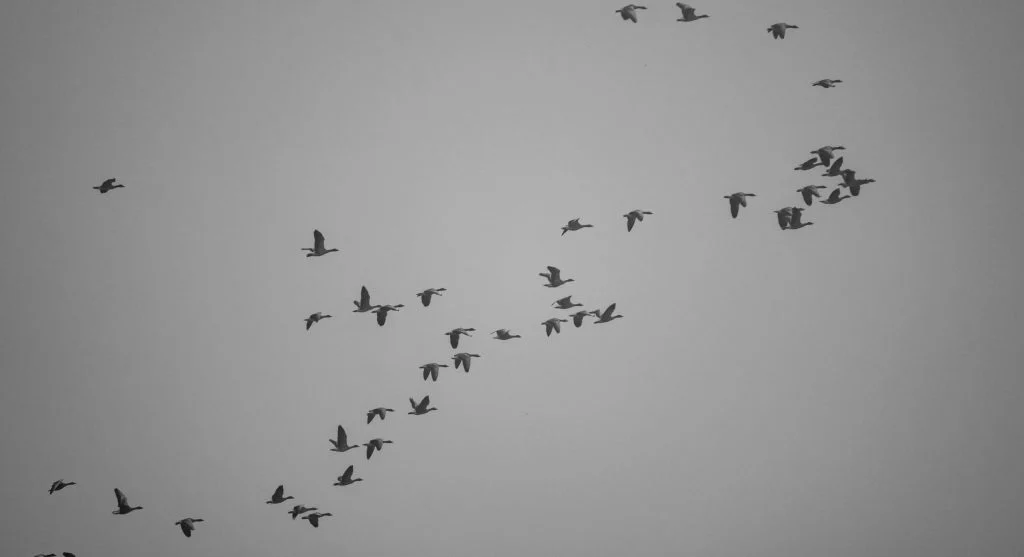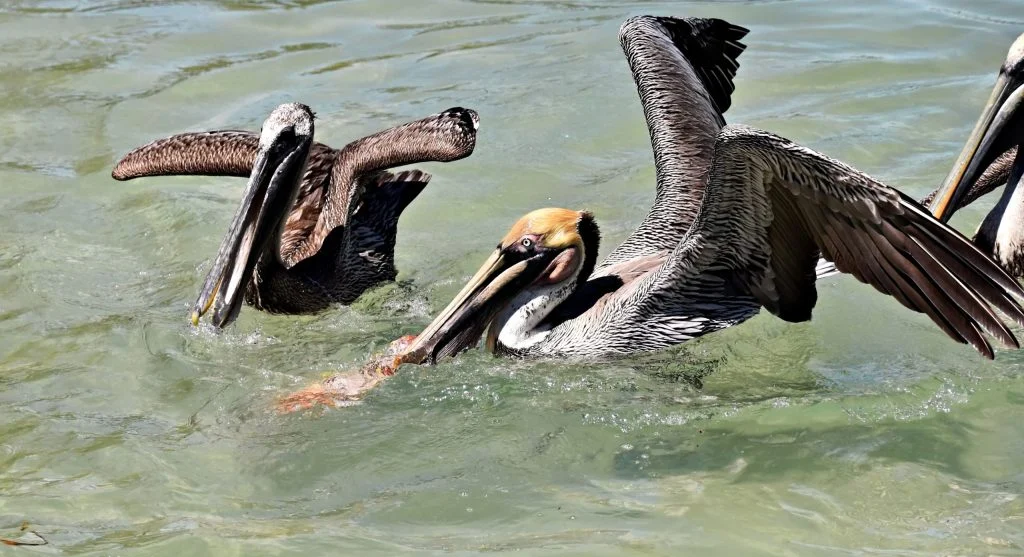
Pelicans are among the most recognizable water birds in the world. Their large bills and expandable throat pouches make them easy to identify in coastal regions, lakes, wetlands, and estuaries. While some birds hunt alone, certain pelican species frequently work together when searching for food.
Researchers studying why pelicans work together to catch fish explain that cooperative hunting can increase feeding success. By coordinating movements, groups of pelicans may guide schools of fish into smaller areas where catching prey becomes easier.
Teamwork Helps Concentrate Fish
One major reason why pelicans hunt together involves fish behavior.
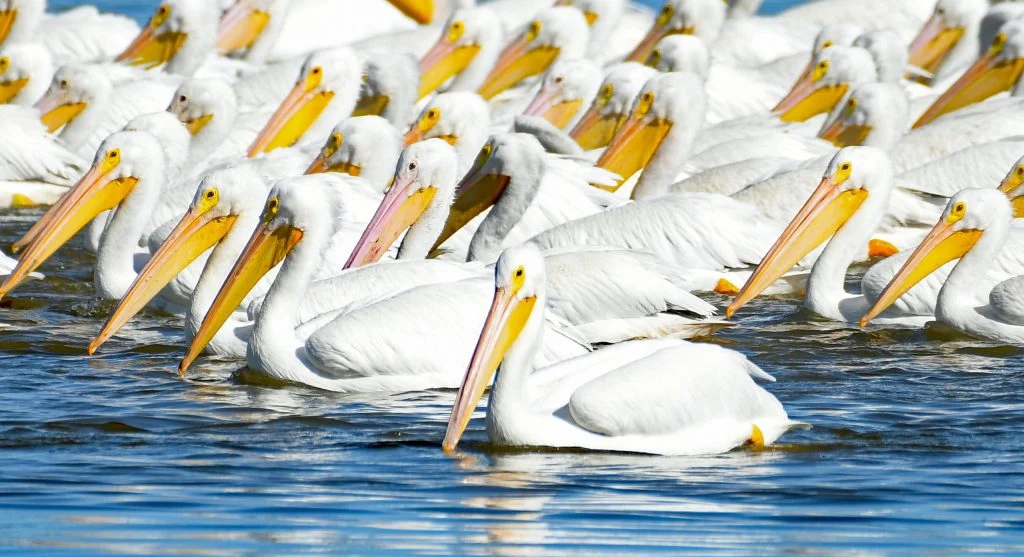
Wildlife experts explain that fish often move in large schools for protection. When several pelicans swim side by side, they can push fish toward shallow areas.
This makes prey easier to locate and capture.
Pelican Pouches Act Like Fishing Nets
Pelicans possess large throat pouches attached to their lower bills.
Researchers explain that these pouches help scoop fish and water during feeding.
After capturing prey, pelicans drain excess water before swallowing their catch.
Shallow Waters Provide Feeding Advantages
Many cooperative hunts occur in shallow coastal habitats where fish have fewer escape routes.
Wildlife specialists explain that estuaries, lagoons, and wetlands often provide productive feeding opportunities.
Habitat selection strongly influences hunting success.
Communication Helps Coordinate Group Movement
Although pelicans are not known for complex vocal communication during hunts, researchers believe visual cues help coordinate group behavior.
Swimming direction and body position may help individuals remain organized.
Cooperation is common among many social bird species.
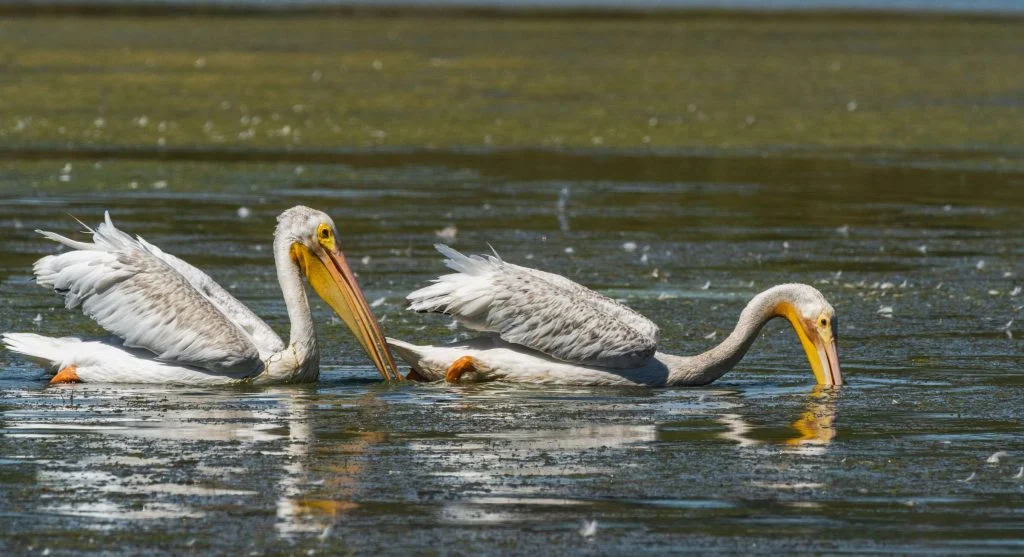
Not All Pelican Species Hunt the Same Way
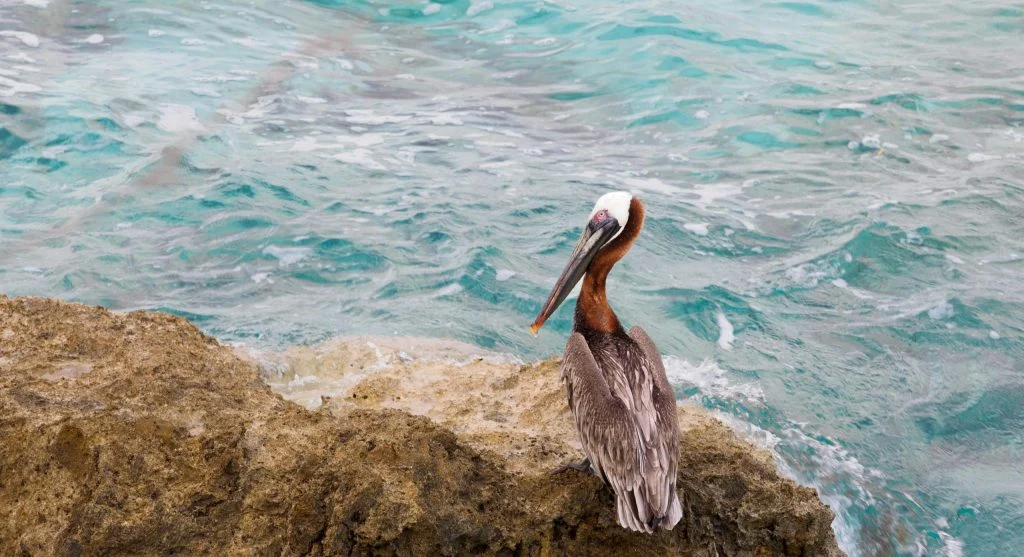
Different pelican species use different feeding strategies depending on habitat and prey availability.
Some species dive dramatically from the air, while others prefer cooperative feeding in shallow water.
Behavior often reflects local environmental conditions.
Healthy Fish Populations Support Bird Communities
Pelicans depend on healthy aquatic ecosystems that support abundant fish populations.
Researchers studying pelican feeding behavior explain that water quality and habitat health influence food availability.
Healthy ecosystems benefit many wildlife species simultaneously.
Conservation Helps Protect Coastal Bird Habitats
Wetlands, estuaries, and coastal ecosystems provide critical feeding and nesting areas for pelicans and many other birds.
Scientists continue monitoring pelican populations and migration patterns while studying coastal biodiversity.
Conservation efforts help maintain habitats that support wildlife for future generations.
Frequently Asked Questions
Q: Why do pelicans hunt in groups?
A: Group hunting helps concentrate fish and improve feeding efficiency.
Q: What do pelicans use their pouches for?
A: Pelicans use throat pouches to scoop fish and water while feeding.
Q: Where do pelicans usually hunt?
A: Pelicans commonly hunt in coastal waters, wetlands, estuaries, and lakes.
Q: Do all pelicans hunt the same way?
A: No. Different pelican species use different feeding strategies.
Q: Why are wetlands important for pelicans?
A: Wetlands provide food, nesting areas, and habitat for pelicans.
Key Takeaway
Pelicans demonstrate how cooperation can improve survival in the natural world. By working together, these birds can guide fish into concentrated areas and feed more efficiently. Their behavior highlights the importance of healthy coastal ecosystems, wetlands, and fish populations that support diverse wildlife communities.