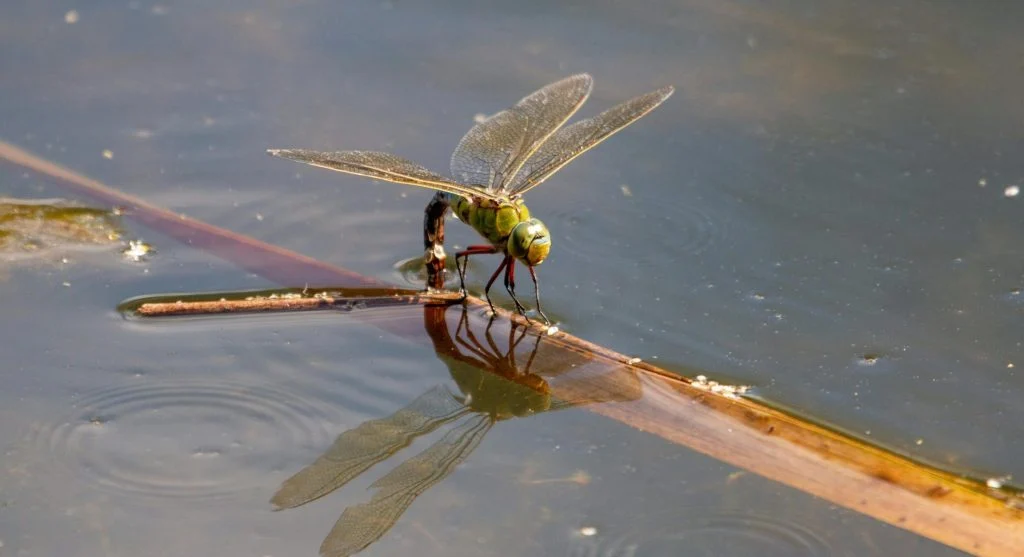
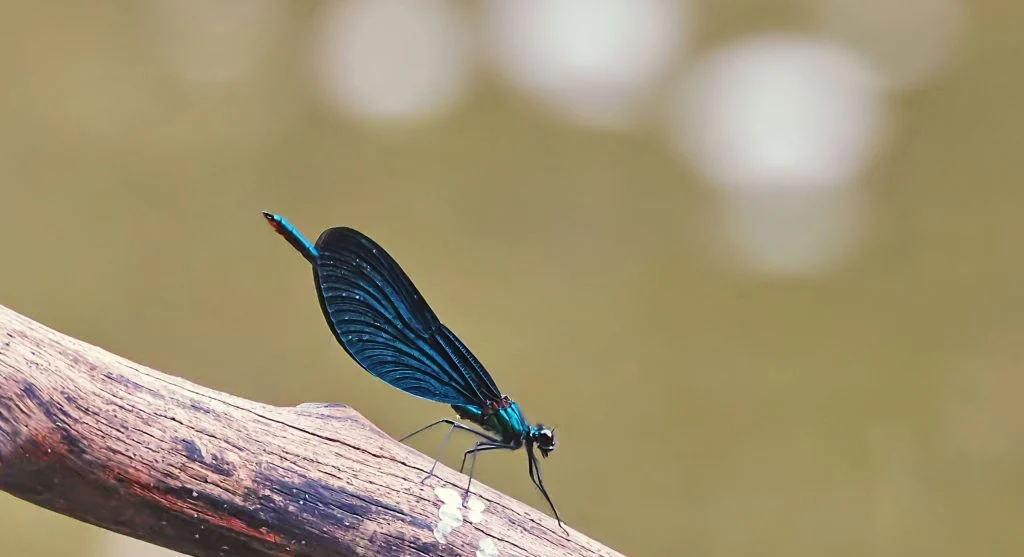
Dragonflies have existed for hundreds of millions of years and remain some of the most successful insect predators on Earth. These fast-flying insects are commonly found around ponds, lakes, wetlands, rivers, and marshes where they hunt smaller insects with impressive accuracy.
Researchers studying why dragonflies are skilled hunters explain that exceptional eyesight, rapid flight control, and specialized body design allow them to capture prey with remarkable efficiency. Their abilities make dragonflies one of the most effective aerial hunters in the insect world.
Dragonflies Have Exceptional Vision
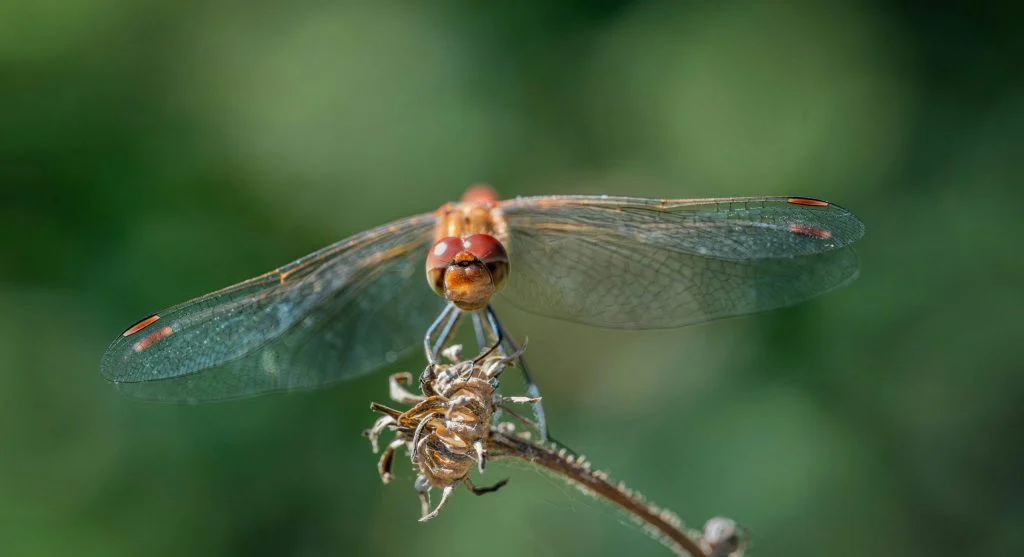
One major reason dragonflies are skilled hunters involves their enormous compound eyes.
Wildlife experts explain that a dragonfly’s eyes contain thousands of individual lenses that provide a wide field of view.
This helps detect movement quickly from multiple directions.
Flight Control Is Remarkably Precise
Researchers explain that dragonflies can fly forward, backward, sideways, upward, and even hover in place.
Independent wing movement provides exceptional maneuverability during hunting.
Few insects possess comparable flight abilities.
They Catch Prey in Midair
Unlike many predators that wait for prey to approach, dragonflies actively pursue insects while flying.
Wildlife specialists explain that mosquitoes, flies, gnats, and other small insects often become targets.
Many captures occur entirely in midair.
Dragonflies Calculate Interception Paths
Scientists studying dragonfly hunting behavior have discovered that dragonflies often predict where prey will move rather than simply following behind it.
This strategy helps reduce energy use and improve hunting success.
Accurate interception is one reason dragonflies are such efficient predators.
Young Dragonflies Are Predators Too
Dragonflies spend much of their lives underwater as aquatic nymphs.
Researchers explain that young dragonflies feed on small aquatic organisms, insect larvae, and other prey before becoming adults.
Predatory behavior begins long before adulthood.
Wetlands Support Dragonfly Populations
Healthy freshwater habitats provide breeding, feeding, and developmental areas for dragonflies.
Wildlife experts explain that ponds, marshes, and wetlands are particularly important ecosystems.
Many dragonfly species depend on clean water conditions.
Dragonflies Help Control Insect Populations
Because dragonflies consume large numbers of insects, they play an important role in ecosystem balance.
Researchers continue studying why dragonflies are skilled hunters while monitoring freshwater biodiversity.
Protecting wetlands helps support dragonflies and countless other wildlife species.
Frequently Asked Questions
Q: Why are dragonflies such effective hunters?
A: Dragonflies combine excellent vision, fast flight, and precise movement control.
Q: What do dragonflies eat?
A: Dragonflies commonly eat mosquitoes, flies, gnats, and other small insects.
Q: Can dragonflies fly backward?
A: Yes. Dragonflies can fly in multiple directions, including backward.
Q: Where do dragonflies live?
A: Dragonflies are commonly found near ponds, wetlands, lakes, and rivers.
Q: Why are wetlands important for dragonflies?
A: Wetlands provide breeding habitats and food resources for dragonflies.
Key Takeaway
Dragonflies are among the most successful insect predators because of their powerful eyesight, advanced flight abilities, and highly efficient hunting strategies. Their role in controlling insect populations highlights the importance of healthy wetland ecosystems that support biodiversity and wildlife across the natural world.