Moose are the largest members of the deer family and are well known for their impressive size, long legs, and broad antlers. These animals live in forests, wetlands, and northern wilderness regions where water often plays an important role in daily life.
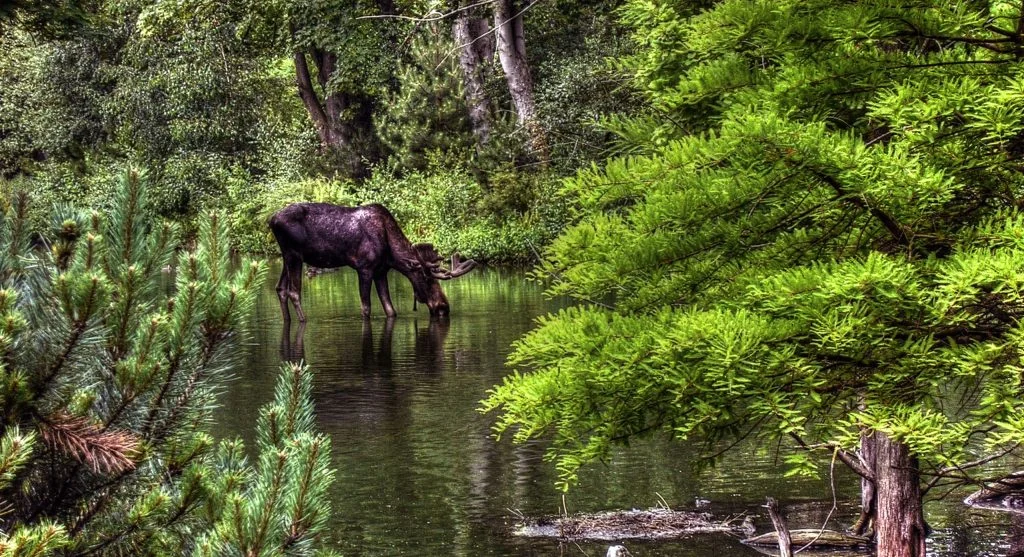
Many wildlife observers are surprised to see moose standing in lakes, ponds, and marshes for long periods. Researchers studying why moose stand in water explain that this behavior helps with feeding, temperature control, and protection from insects. Water environments offer several important benefits that support moose survival.
Aquatic Plants Provide Valuable Food
One major reason moose stand in water is to find food.
Wildlife experts explain that moose eat a variety of aquatic plants growing beneath the water’s surface.
These plants often contain important nutrients that support growth and health.
Moose may wade deep into lakes to reach their preferred food sources.
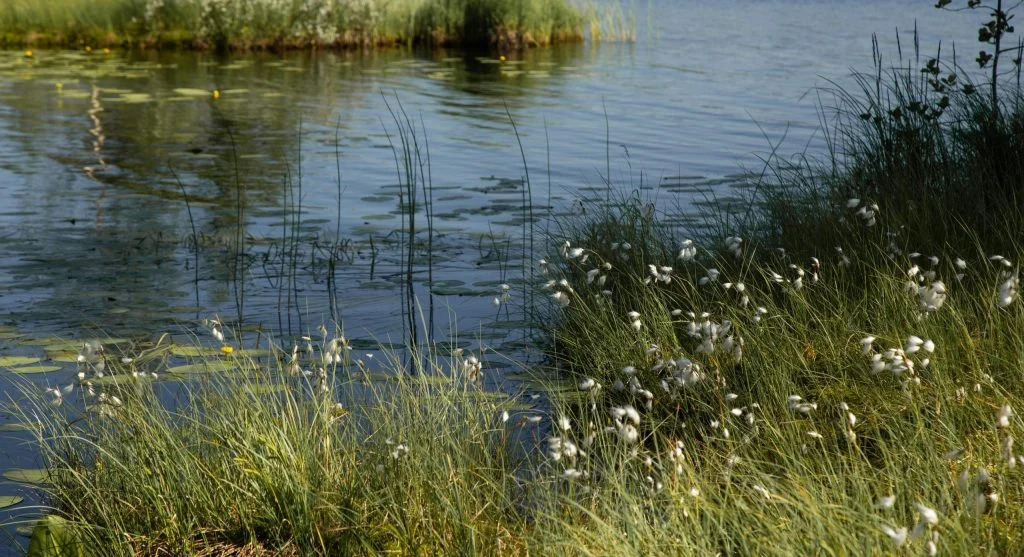
Water Helps Moose Stay Cool
Moose are adapted to cold climates and can struggle during hot weather.
Researchers explain that standing in water helps lower body temperature during warm summer months.
The cooling effect allows moose to stay more comfortable when air temperatures rise.
This behavior becomes especially common during hot afternoons.
Wetlands Offer Relief From Insects
Mosquitoes, black flies, and other biting insects can be a major nuisance for moose.
Wildlife specialists explain that water can give moose temporary relief from swarming insects.
Standing in deeper water reduces exposure to some pests.
With fewer insects bothering them, moose can spend more time feeding and resting.
Long Legs Are Perfect for Wetland Travel
Moose have unusually long legs compared with many other deer species.
Researchers explain that this adaptation helps them move efficiently through marshes, ponds, and shallow lakes.
Wetland habitats are easier for moose to navigate than for many other large mammals.
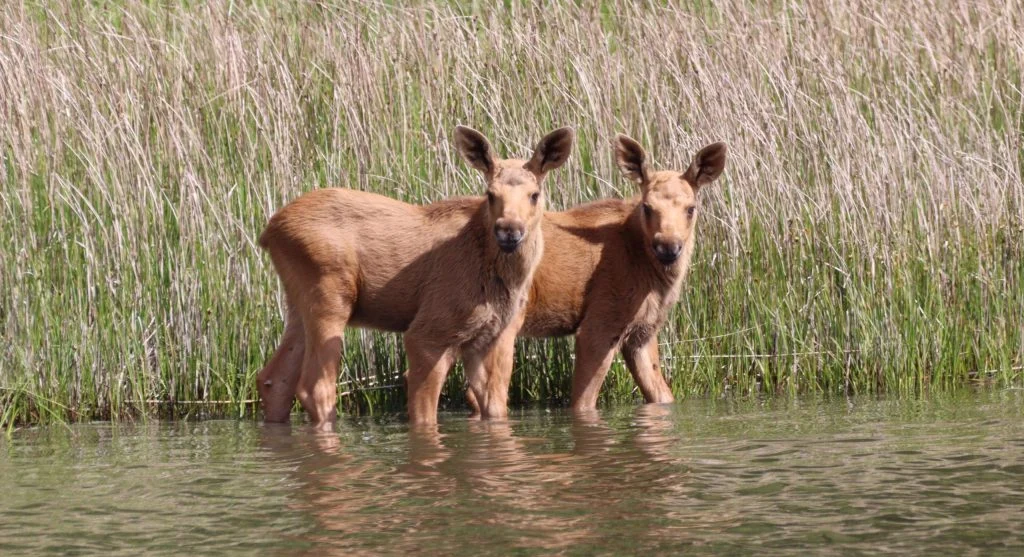
Moose Are Strong Swimmers
Although their large size may suggest otherwise, moose are excellent swimmers.
Scientists studying moose behavior explain that they can travel significant distances across lakes and rivers.
Swimming helps them reach food resources and move between habitats.
Waterways often connect important feeding areas.
Seasonal Changes Influence Water Use
Moose behavior changes throughout the year.
Researchers explain that water use usually increases during warmer seasons when aquatic plants are abundant and temperatures are higher.
During colder months, moose rely more heavily on forest habitats and woody vegetation.
Healthy Wetlands Support Moose Populations
Wetlands are among the most important habitats for moose.
Wildlife experts explain that these ecosystems provide food, water, shelter, and seasonal refuge.
Protecting wetlands helps maintain biodiversity and supports many different wildlife species.
Frequently Asked Questions
Q: Why do moose stand in water?
A: Water helps moose feed, stay cool, and avoid insects.
Q: What do moose eat in lakes?
A: Moose commonly eat aquatic plants growing beneath the water surface.
Q: Are moose good swimmers?
A: Yes. Moose are strong swimmers capable of crossing large bodies of water.
Q: Why do moose prefer wetlands?
A: Wetlands provide food, cooling opportunities, and habitat resources.
Q: Do moose spend time in water year-round?
A: Water use is most common during warmer months.