Wildlife watching allows people to experience nature while learning more about animals and ecosystems. Forests, wetlands, mountains, grasslands, and coastal habitats all provide opportunities to observe wildlife in natural environments.
Wildlife experts studying outdoor wildlife safety explain that responsible observation helps protect both animals and visitors. Understanding how to watch wildlife safely also reduces stress on ecosystems and supports conservation awareness.
Choose Safe Viewing Distances
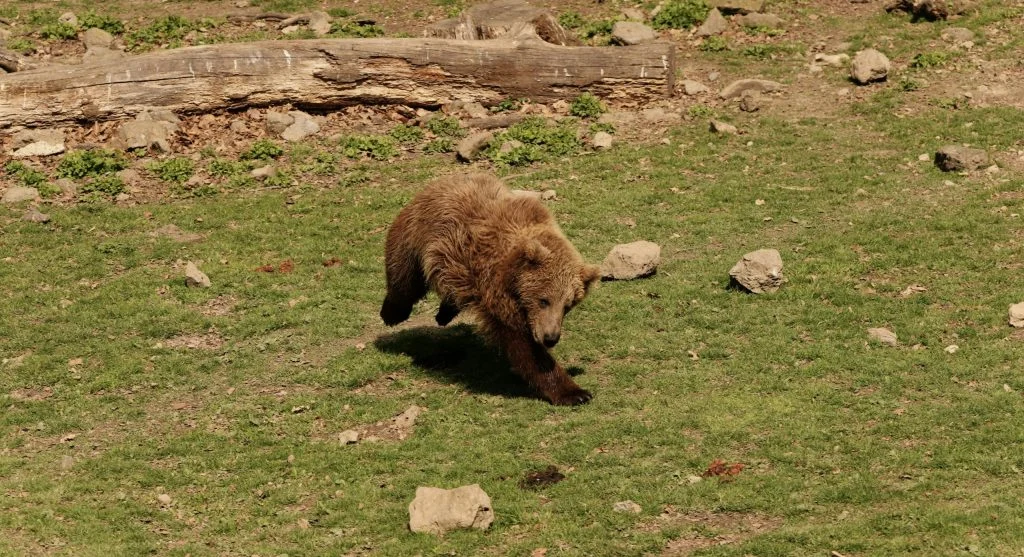
One of the most important nature observation tips involves distance. Wildlife experts recommend avoiding close approaches to animals, especially large mammals, nesting birds, or young offspring.
Animals may become stressed when people move too close to natural activity areas.
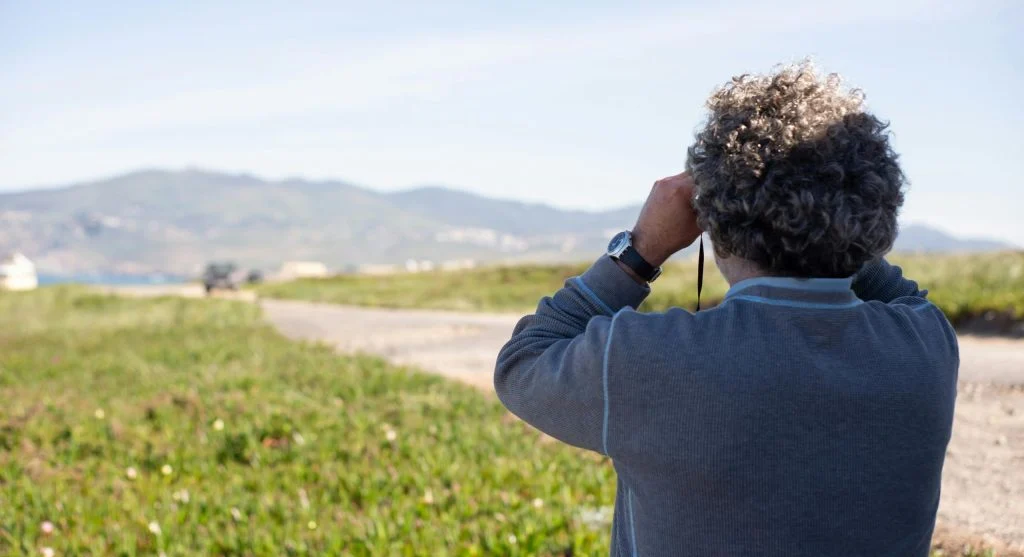
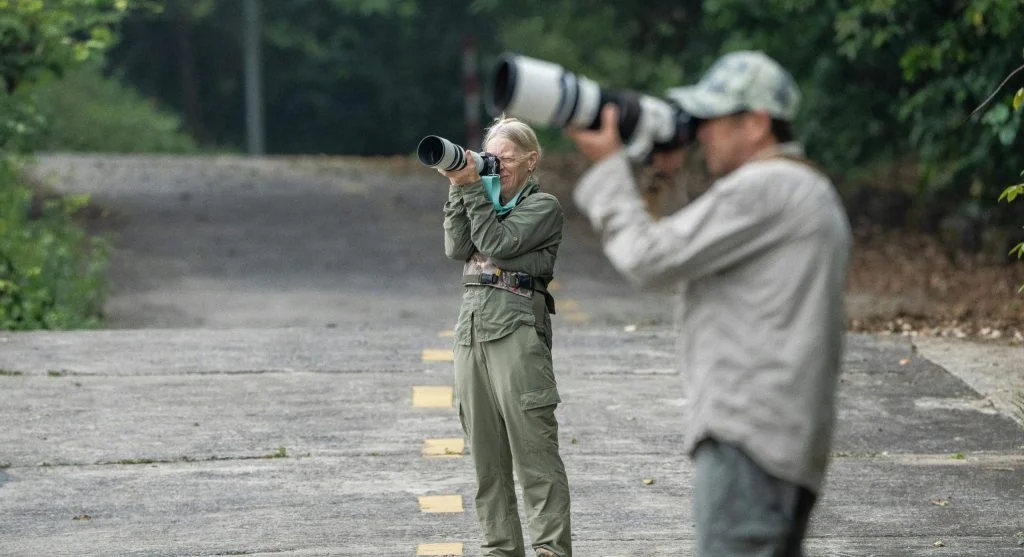
Using binoculars or zoom lenses allows safer observation without disturbing wildlife behavior.
Credit: Christina & Peter / Pexels
Remain Quiet During Wildlife Observation
Wildlife researchers explain that loud noises may frighten animals or interrupt natural behavior patterns.
Quiet movement improves opportunities for observing feeding, migration, nesting, and social interaction.
Responsible wildlife viewing supports healthier ecosystems and reduces unnecessary disturbance.
Stay on Designated Trails Whenever Possible
Marked trails help reduce damage to sensitive habitats such as wetlands, grasslands, dunes, and forest ecosystems.
Wildlife experts explain that leaving trails may disturb nesting sites, vegetation, or hidden wildlife.
Trail systems also improve visitor safety in unfamiliar environments.
Avoid Feeding Wild Animals
Feeding wildlife may change natural behavior and increase dependence on human food sources. Wildlife specialists explain that some foods can also harm animal health.
Animals that become comfortable around people may face increased risks near roads, campsites, or urban areas.
Natural feeding behavior remains important for ecosystem balance.
Credit: Kampus Production / Pexels
Learn About Local Wildlife Before Visiting
Outdoor wildlife safety improves when visitors understand the animals living within a region.
Wildlife experts recommend reviewing local park guidelines, seasonal migration activity, and habitat conditions before outdoor trips.
Knowledge about wildlife behavior may help reduce unexpected encounters.
Respect Seasonal Wildlife Activity
Breeding seasons, nesting periods, migration activity, and winter survival conditions can make wildlife more sensitive to disturbance.
Researchers studying wildlife behavior explain that seasonal environmental stress may affect animal reactions.
Responsible visitors should avoid interfering with feeding or nesting habitats.
Leave Natural Areas Clean and Undisturbed
Trash, pollution, and habitat damage can negatively affect wildlife populations and ecosystems.
Wildlife conservation groups encourage visitors to remove litter and avoid damaging plants or natural features.
Healthy ecosystems support biodiversity and safer wildlife habitats.
Credit: Tam Freemanfreemind / Pexels
Frequently Asked Questions
Q: Why should people keep distance from wildlife?
A: Safe distance reduces stress on animals and lowers risk for both wildlife and visitors.
Q: Why is feeding wildlife discouraged?
A: Feeding wildlife may harm health and change natural behavior patterns.
Q: Why should visitors stay on trails?
A: Trails help protect sensitive habitats and reduce environmental disturbance.
Q: What equipment helps with wildlife watching?
A: Binoculars and zoom lenses improve observation from safe distances.
Q: Why is quiet behavior important during wildlife observation?
A: Quiet movement helps avoid frightening animals and disturbing natural behavior.
Key Takeaway
Understanding how to watch wildlife safely helps protect natural habitats while creating better outdoor experiences for visitors and animals alike. Responsible observation practices such as keeping distance, remaining quiet, and respecting ecosystems support healthier wildlife populations and biodiversity conservation. Wildlife experts and conservation organizations continue encouraging safe nature observation that protects ecosystems for future generations.