Wild boars are highly adaptable mammals found in forests, grasslands, wetlands, and rural landscapes across many parts of the world. Known for their intelligence, strong sense of smell, and powerful bodies, these animals have developed several behaviors that help them survive in many different environments.
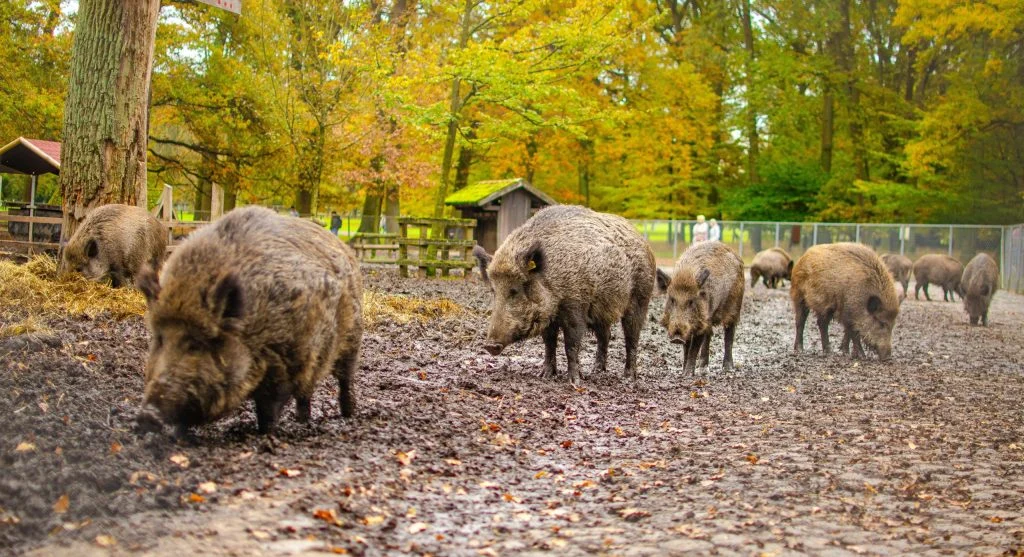
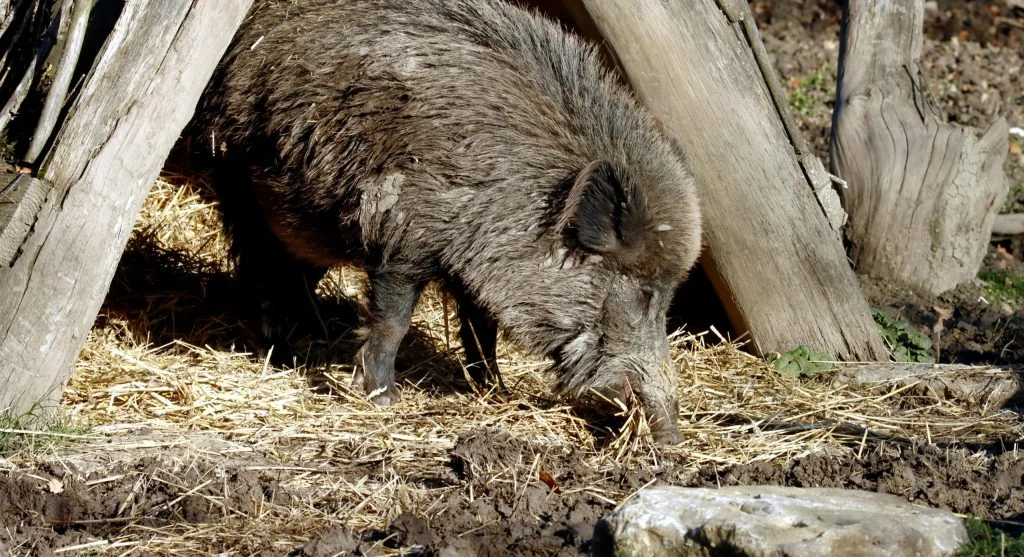
One of their most noticeable behaviors is spending time in mud. Researchers studying why wild boars use mud wallows explain that mud offers important benefits for temperature control, skin protection, and parasite management. What may look like simple play is actually an important survival strategy.
Mud Helps Wild Boars Stay Cool
One major reason wild boars use mud wallows is body temperature regulation.
Wildlife experts explain that wild boars have relatively few sweat glands compared with humans.
Because of this, they cannot cool themselves efficiently through sweating.
A layer of wet mud helps lower body temperature during warm weather.
Mud Provides Protection From Insects
Warm seasons often bring mosquitoes, flies, ticks, and other biting insects.
Researchers explain that dried mud can form a temporary barrier on the skin.
This coating may help reduce irritation caused by pests.
Many large mammals use similar methods for protection.
Skin Health Benefits From Wallowing
Wildlife specialists explain that mud may help remove dirt, dead skin, and some parasites.
As the mud dries and falls away, unwanted material can come off with it.
This natural cleaning process helps support overall skin health.
Wallowing Areas Become Important Habitat Features
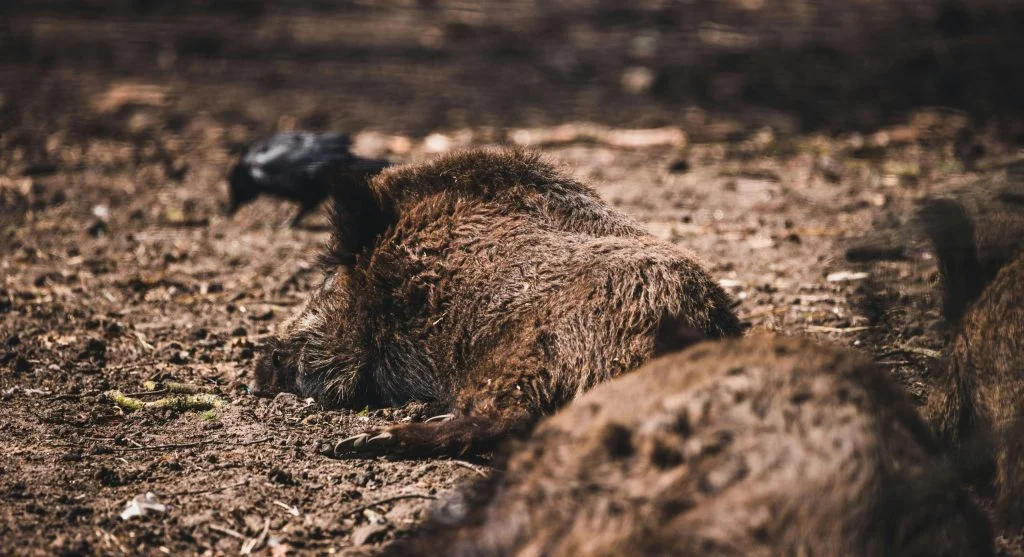
Wild boars often return to the same wallowing sites again and again.
Researchers studying wild boar behavior explain that heavily used wallows can become established features in the landscape.
Some wallows may be used by multiple generations of animals.
Wild Boars Are Highly Intelligent Animals
Wild boars have strong problem-solving abilities and excellent memory.
Scientists explain that these animals quickly learn the locations of food sources, shelter, and water.
Their intelligence helps them adapt successfully to changing environments.
Family Groups Often Travel Together
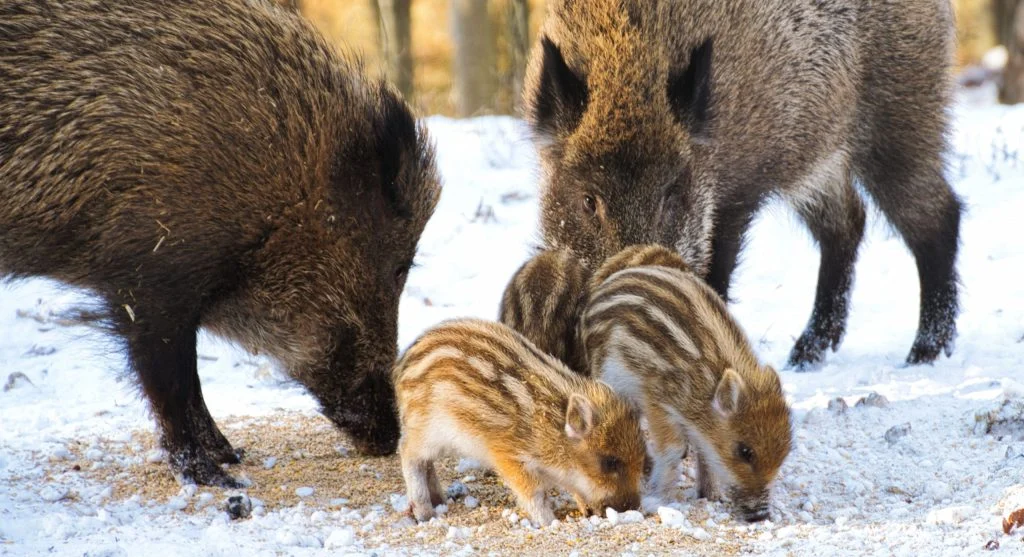
Female wild boars and their young commonly live in family groups called sounders.
Researchers explain that group living provides protection and improves communication.
Young boars learn important survival skills from experienced adults.
Healthy Wetlands Support Wildlife Diversity
Many wallows form near wetlands, streams, ponds, and other water sources.
Wildlife experts explain that these habitats support a wide variety of species.
Freshwater ecosystems remain among the most important wildlife habitats worldwide.
Researchers Continue Studying Wild Boar Behavior
Scientists continue studying why wild boars use mud wallows and how environmental conditions influence their behavior.
This research helps improve understanding of wildlife adaptation, habitat use, and ecosystem interactions.
Conservation efforts also focus on maintaining healthy habitats that support diverse wildlife communities.
Frequently Asked Questions
Q: Why do wild boars roll in mud?
A: Mud helps cool the body, protect skin, and reduce insect irritation.
Q: Do wild boars sweat like humans?
A: No. Wild boars have limited sweating ability, making mud useful for cooling.
Q: What is a wallow?
A: A wallow is a muddy area where animals roll or rest.
Q: Do wild boars live alone?
A: Females and young often live in family groups called sounders.
Q: Why are wetlands important for wild boars?
A: Wetlands provide water, food resources, and wallowing opportunities.