Dolphins are known for their intelligence, communication skills, and highly social behavior in ocean environments. Marine researchers studying dolphin behavior continue discovering how cooperation helps these animals survive and thrive in changing marine ecosystems.
Understanding why dolphins work together gives scientists valuable insight into marine animal intelligence and social interaction. From hunting strategies to protecting young dolphins, teamwork plays a major role in dolphin survival across oceans worldwide.
Why Dolphins Live in Social Groups
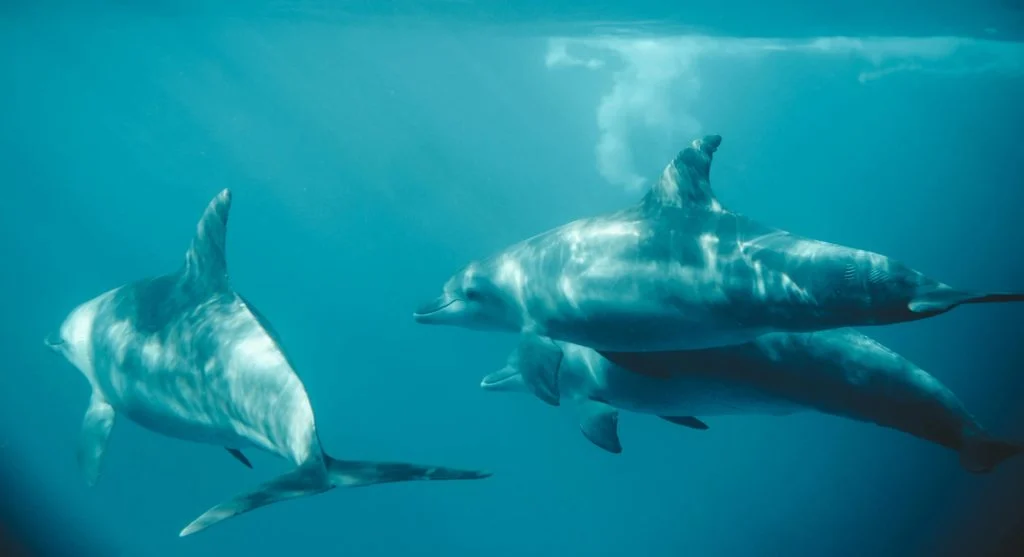
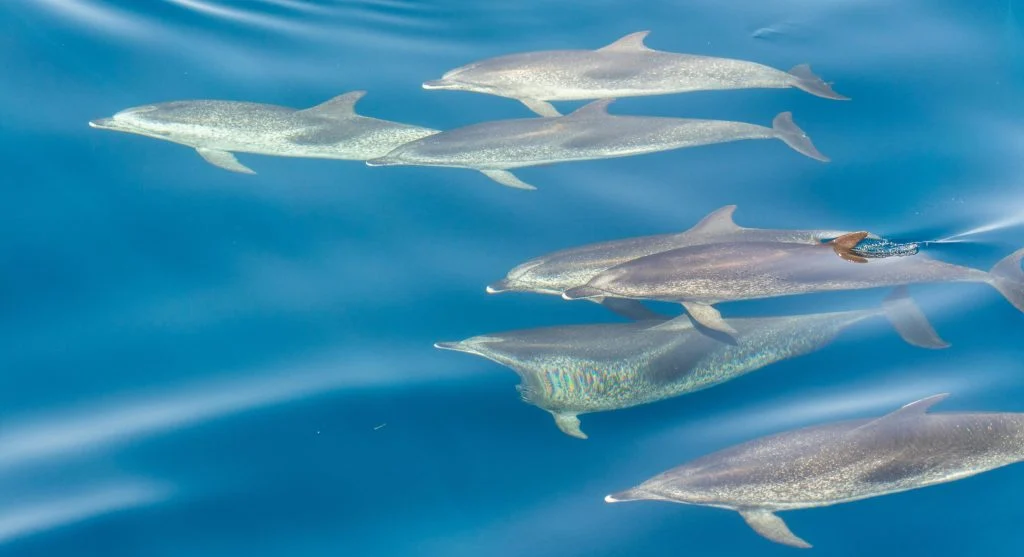
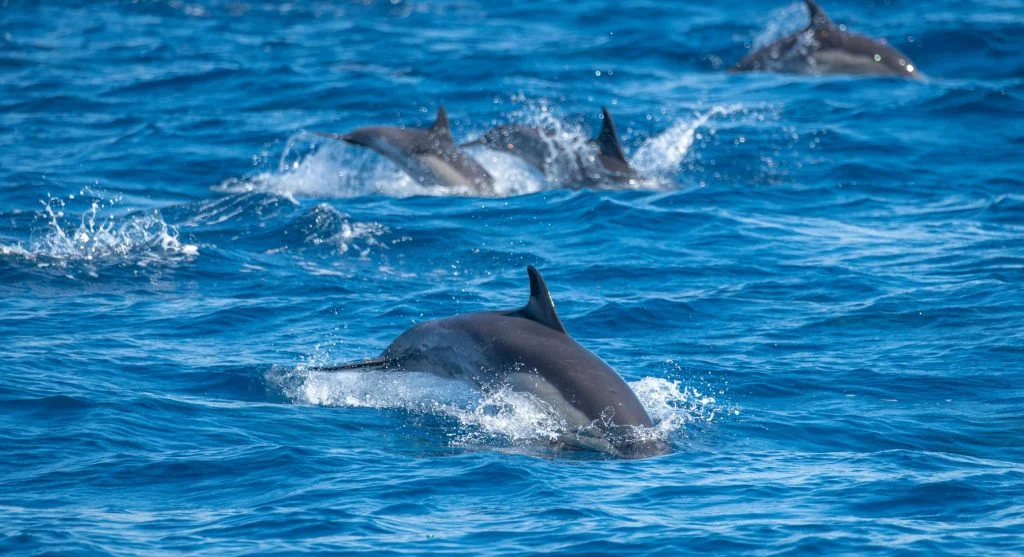
Dolphins often travel in groups called pods, which may range from a few individuals to much larger gatherings depending on species and habitat conditions.
Marine wildlife experts explain that pod living improves safety, communication, and hunting success. Dolphins within pods may cooperate while searching for food or avoiding predators such as sharks.
Researchers studying dolphin social behavior also note that group living helps strengthen communication and social learning among younger dolphins.
Credit: Jan van der Wolf / Pexels
Dolphins Use Complex Communication Methods
One reason dolphins work together so effectively involves their advanced communication abilities. Dolphins produce whistles, clicks, and body movements that help them exchange information underwater.
Marine animal intelligence researchers explain that certain whistles may function like individual identifiers, helping dolphins recognize one another.
Scientists continue studying dolphin communication to better understand how these animals coordinate movement and social interaction within pods.
Cooperative Hunting Improves Feeding Success
Dolphins often cooperate while hunting fish in open water. Wildlife researchers have observed pods surrounding schools of fish and working together to concentrate prey into smaller areas.
This coordinated behavior allows dolphins to feed more efficiently than hunting alone. Some populations even use specialized local hunting strategies passed down through generations.
Experts studying marine ecosystems explain that cooperation helps dolphins adapt to changing food availability in different ocean regions.
Adult Dolphins Help Protect Young Calves
Young dolphin calves rely heavily on adult protection during early life stages. Pods may help defend calves from predators and support mothers caring for newborns.
Marine wildlife specialists explain that cooperative care increases calf survival rates and allows young dolphins to learn important behaviors from experienced adults.
Dolphin social behavior studies also suggest that close family relationships play important roles within some pods.
Credit: Soly Moses / Pexels
Dolphins Show Signs of Problem-Solving Skills
Marine researchers studying animal intelligence have documented dolphins using creative behaviors while hunting, navigating, and interacting socially.
Some dolphins use ocean floor materials such as sponges while searching for food in rough environments. Others appear capable of learning through observation and repeated experience.
Experts continue researching how dolphin communication and intelligence compare with social behaviors found in other marine mammals.
Environmental Conditions Influence Dolphin Behavior
Ocean temperature, food supply, migration patterns, and human activity can all affect dolphin movement and social organization.
Marine conservation researchers explain that dolphins may travel differently depending on seasonal prey movement or environmental conditions.
Noise pollution from boats and industrial activity may also interfere with underwater communication used by dolphins during group coordination.
Conservation Efforts Help Protect Dolphin Habitats
Many conservation organizations work to protect dolphin habitats from pollution, habitat destruction, and unsafe fishing practices.
Marine wildlife experts explain that healthy oceans support not only dolphins but also broader marine biodiversity.
Researchers studying why dolphins work together emphasize that long-term conservation remains important for protecting ocean ecosystems and marine animal populations.

Credit: Roberto Lee Cortes / Pexels
Frequently Asked Questions
Q: Why do dolphins live in pods?
A: Dolphins live in pods because group cooperation improves protection, communication, hunting success, and social learning.
Q: How do dolphins communicate?
A: Dolphins communicate using whistles, clicks, body movements, and underwater sound signals.
Q: Do dolphins help protect young calves?
A: Yes. Adult dolphins often help protect and guide calves within social groups.
Q: Why is cooperation important for dolphins?
A: Cooperation improves feeding success, predator protection, and survival in changing ocean environments.
Q: What threats affect dolphins in the wild?
A: Pollution, habitat damage, noise disturbance, and unsafe fishing practices can affect dolphin populations.
Key Takeaway
Understanding why dolphins work together helps researchers better study marine animal intelligence and ocean ecosystems. Dolphins rely on communication, cooperation, and social learning to hunt, protect calves, and survive in changing marine environments. Wildlife experts continue emphasizing the importance of ocean conservation efforts that support healthy dolphin populations and marine biodiversity worldwide.