Owls are among the most recognizable nocturnal birds in the world. Their silent flight, sharp vision, and nighttime hunting behavior continue fascinating wildlife researchers and birdwatchers across many ecosystems.
Many owl facts surprise people because these birds have highly specialized adaptations that help them survive in forests, grasslands, deserts, and wetlands. Experts studying owl behavior continue learning how these predators navigate darkness and locate prey with remarkable accuracy.
1. Owls Can Rotate Their Heads Much Farther Than Humans
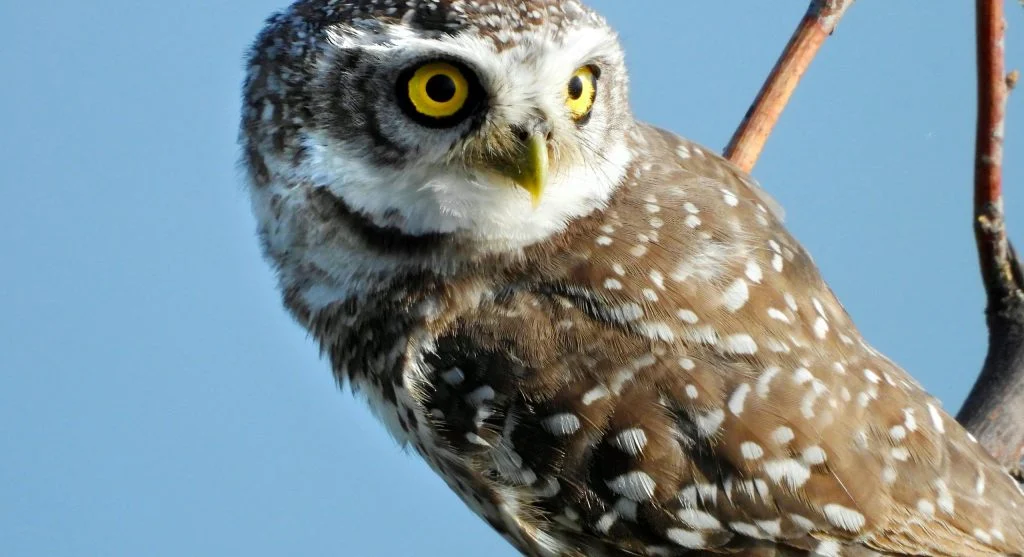
One of the best-known owl facts involves their unusual neck flexibility. Owls can rotate their heads up to 270 degrees, allowing them to scan surroundings without moving their bodies very much.
Wildlife researchers explain that owls cannot move their eyes easily inside their sockets, so neck flexibility helps compensate for limited eye movement.
This adaptation improves hunting awareness while helping owls remain hidden from prey during nighttime activity.
Credit: Sharath G. / Pexels
2. Owl Feathers Help Them Fly Quietly
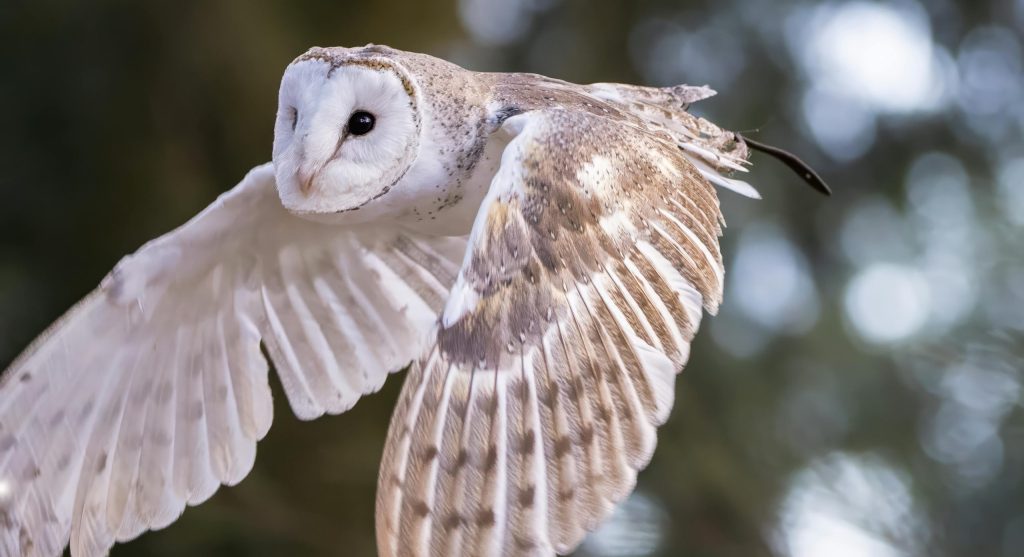
Unlike many birds, owls have specialized feathers that reduce flight noise. Wildlife experts explain that soft feather edges help break up airflow and minimize sound while flying.
Silent movement gives owls a major hunting advantage because prey animals may not hear approaching predators until it is too late.
Researchers studying nocturnal birds continue examining how owl feather structure improves nighttime hunting success.
3. Owls Have Excellent Night Vision
Owls are highly adapted for low-light conditions. Large eyes allow more light to enter, improving visibility during nighttime hunting.
Wildlife specialists explain that many owl species are most active during dusk, nighttime, or early morning hours when visibility is limited for other animals.
Although owls see extremely well in dim conditions, researchers note that hearing is often just as important during hunting activity.
4. Hearing Plays a Major Role in Owl Hunting
Another surprising owl fact involves hearing ability. Many owls can locate prey using sound alone, even beneath snow, leaves, or vegetation.
Some owl species have uneven ear placement, which helps detect the exact direction of sounds more accurately.
Bird hunting adaptation researchers explain that this sensitivity allows owls to hunt effectively in complete darkness.
5. Different Owl Species Live Across Many Habitats
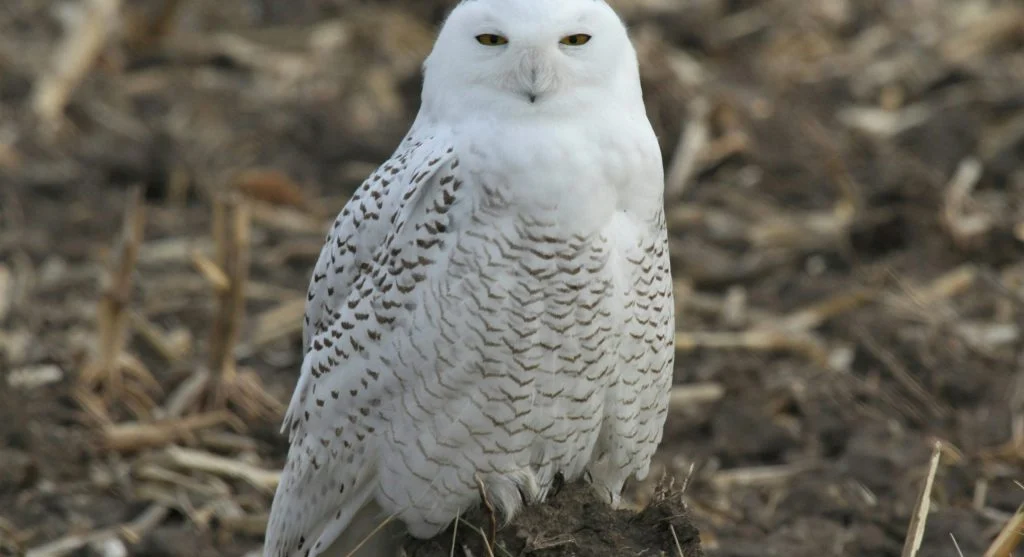
Owls are found in forests, deserts, wetlands, mountains, grasslands, and even near urban areas. Different species adapt to local climates and available food sources.
Wildlife researchers studying owl behavior explain that some owls hunt rodents in open fields while others specialize in forest hunting.
Habitat diversity helps explain why owl species exist across many regions around the world.
Credit: Colin Dobson / Pexels
6. Owls Swallow Some Prey Whole
Many owl species swallow small prey animals whole because their teeth are not designed for chewing food.
After digestion, owls regurgitate pellets containing bones, fur, feathers, or other indigestible materials. Wildlife researchers often study owl pellets to learn about local ecosystems and prey species.
These feeding habits help scientists better understand food chains and owl hunting behavior.
7. Owl Camouflage Helps Them Avoid Detection
Many owls have feather patterns that blend into tree bark, leaves, or rocky environments. Camouflage helps protect owls from predators and keeps them hidden while resting during daylight hours.
Bird experts explain that some owl species remain almost invisible when perched quietly against natural backgrounds.
This camouflage also helps support successful hunting by reducing visibility to prey animals.
8. Some Owl Populations Face Habitat Challenges
Habitat loss, environmental disturbance, and declining prey populations can affect some owl species. Conservation organizations continue monitoring owl habitats and nesting areas in different regions.
Wildlife researchers emphasize the importance of protecting forests, wetlands, and grasslands that support nocturnal bird populations.
Responsible land management and habitat conservation help support long-term owl survival and biodiversity.
Credit: Stuart Robinson / Pexels
Frequently Asked Questions
Q: Why can owls rotate their heads so far?
A: Owls rotate their heads to improve visibility because their eyes cannot move easily inside their sockets.
Q: Why are owls silent while flying?
A: Specialized feathers help reduce flight noise, allowing owls to approach prey quietly.
Q: Do owls only hunt at night?
A: Many owl species are nocturnal, but some hunt during dawn, dusk, or daytime depending on habitat and species.
Q: What do owls eat?
A: Owls commonly eat rodents, insects, birds, fish, and other small animals depending on species and habitat.
Q: Why are owl pellets important for researchers?
A: Owl pellets help scientists study prey species and understand local food chains within ecosystems.
Key Takeaway
These owl facts highlight why owls remain some of the most specialized nocturnal birds in the natural world. Their silent flight, advanced hearing, camouflage, and nighttime hunting abilities continue fascinating wildlife researchers and bird enthusiasts. Conservation experts also emphasize the importance of protecting habitats that support healthy owl populations and ecosystem balance.