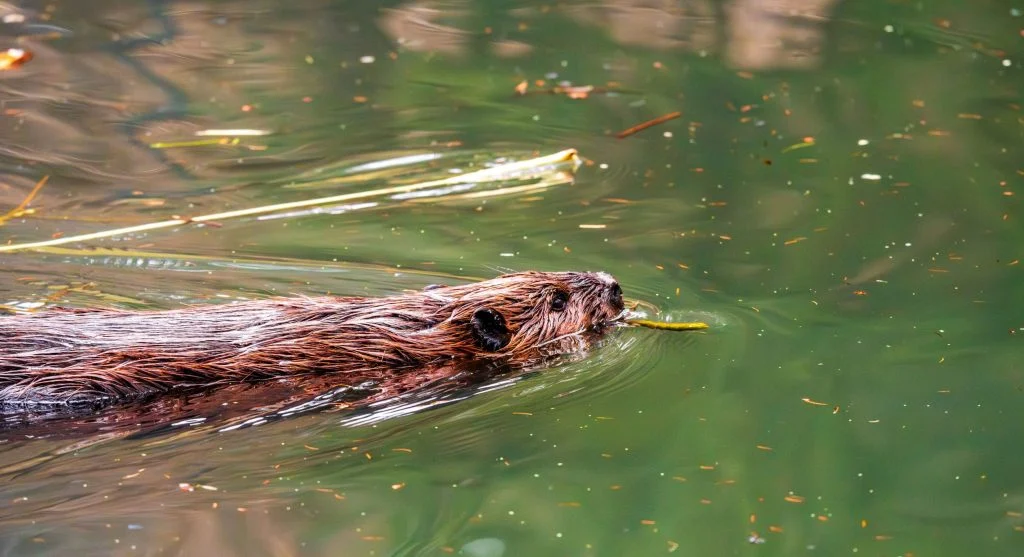
Few animals have a greater impact on their environment than beavers. These large semi-aquatic rodents are famous for building dams, creating ponds, and changing the flow of rivers and streams. Because of their ability to reshape landscapes, scientists often refer to beavers as ecosystem engineers.
Researchers studying why beavers build dams explain that these structures help create safer habitats, improve access to food, and provide protection from predators. The environmental changes caused by beavers often benefit many other wildlife species as well.
Dams Create Deeper Water Around Beaver Homes
One major reason why beavers build dams is to create deeper water around their lodges.
Wildlife experts explain that deeper ponds provide safer access to shelter and reduce the risk of predators reaching beaver families.
Water acts as a natural protective barrier.
Beavers Use Trees as Building Materials
Beavers collect branches, sticks, logs, and mud to construct dams and lodges.
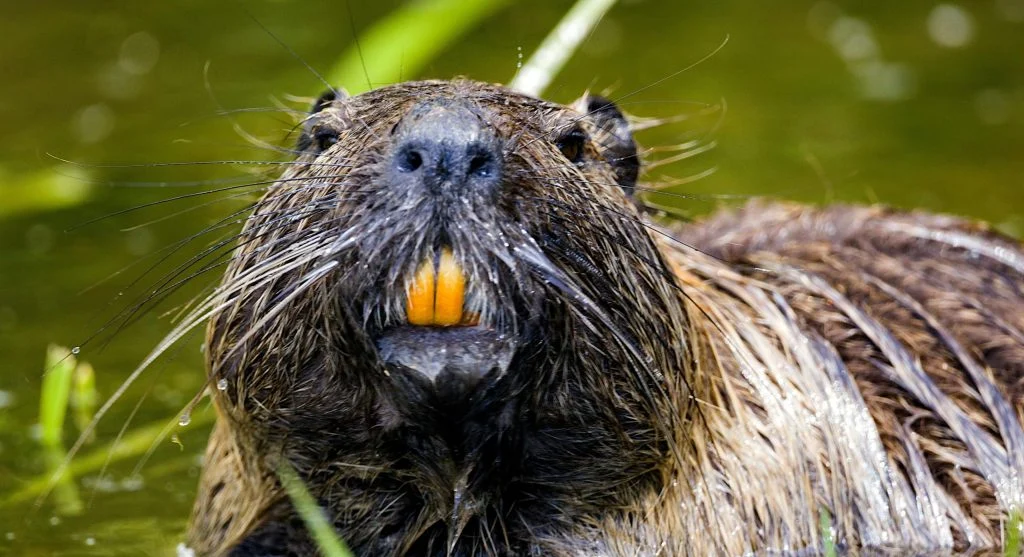
Researchers explain that strong front teeth allow beavers to cut through small trees and woody vegetation.
Their construction behavior is among the most advanced found in the animal kingdom.
Dams Slow Water Movement
Flowing streams can be transformed into slower-moving ponds when beavers build dams.
Wildlife researchers explain that slower water often creates conditions suitable for wetland development.
Wetlands are among the most productive ecosystems in nature.
Many Wildlife Species Benefit From Beaver Ponds
Birds, amphibians, fish, insects, turtles, and mammals often use habitats created by beavers.
Scientists studying beaver ecosystem engineers explain that ponds increase habitat diversity and create new feeding opportunities.
Biodiversity frequently increases in areas influenced by beaver activity.
Wetlands Help Store Water During Dry Periods
Beaver ponds can retain water that might otherwise move quickly downstream.
Researchers explain that wetlands sometimes help maintain moisture levels during dry seasons.
Water storage plays an important role in ecosystem stability.
Young Beavers Learn Construction Skills From Family Members
Beavers often live in family groups where younger individuals observe and participate in dam maintenance activities.
Wildlife experts explain that construction behavior develops through experience and cooperation.
Family cooperation contributes to long-term survival.
Conservation Efforts Recognize Beaver Benefits
In some regions, conservation programs have begun recognizing the ecological value of beaver-created habitats.
Researchers continue studying why beavers build dams while monitoring wetland biodiversity and ecosystem health.
Healthy wetlands support wildlife populations, water quality, and environmental resilience.
Frequently Asked Questions
Q: Why do beavers build dams?
A: Beavers build dams to create deeper water around their lodges and improve safety.
Q: What materials do beavers use?
A: Beavers use sticks, logs, branches, and mud.
Q: How do beaver dams help wildlife?
A: Beaver ponds create habitats used by many species.
Q: What is a beaver lodge?
A: A beaver lodge is a shelter built from branches and mud, usually surrounded by water.
Q: Why are wetlands important?
A: Wetlands support biodiversity, water storage, and ecosystem health.
Key Takeaway
Beavers are among nature’s most impressive ecosystem engineers. By building dams and creating wetlands, they provide habitat for numerous wildlife species while helping shape healthy ecosystems. Researchers continue studying beaver behavior and the important role these animals play in supporting biodiversity and environmental resilience.