Snow leopards are among the most elusive big cats in the world. These rare predators live in rugged mountain environments across parts of Central and South Asia, where steep cliffs, freezing temperatures, and rocky landscapes create difficult survival conditions.
Wildlife researchers studying snow leopard facts continue learning how these remarkable cats adapt to high-altitude ecosystems. Their camouflage, movement skills, and mountain survival abilities make snow leopards one of the most specialized predators in the natural world.
1. Snow Leopards Live in High Mountain Regions
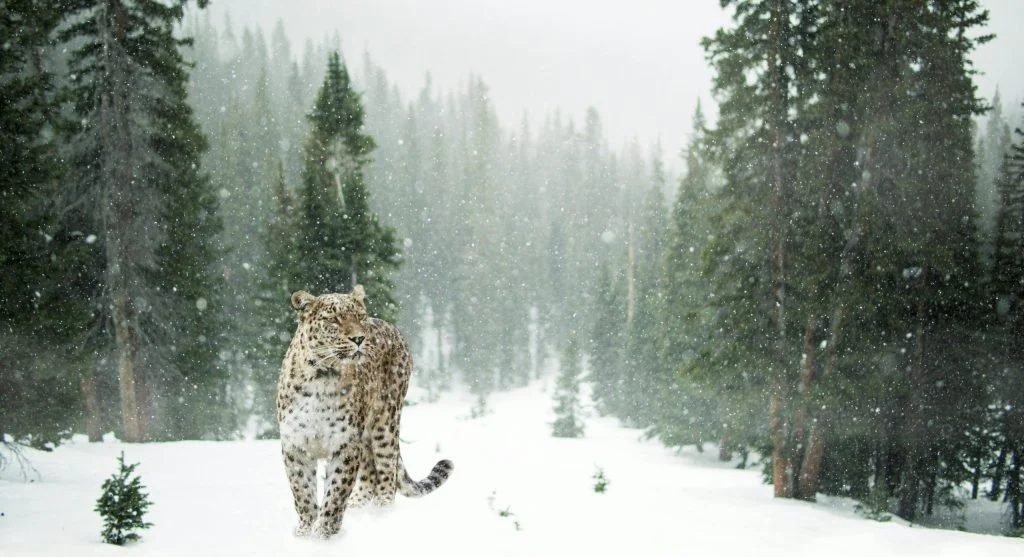
One of the most interesting snow leopard facts involves habitat elevation. Snow leopards often live in remote mountain ranges with steep terrain and harsh weather conditions.
Wildlife experts explain that these habitats may include rocky cliffs, alpine meadows, and snowy slopes located thousands of feet above sea level.
Mountain wildlife researchers continue studying how snow leopards survive in environments with limited oxygen and extreme temperatures.
Credit: Pixabay / Pexels
2. Their Thick Fur Provides Important Insulation
Snow leopards have dense fur that helps protect against freezing mountain temperatures. Wildlife specialists explain that fur covers much of the body, including paws and tail.
Thick fur insulation helps reduce heat loss while traveling across snow-covered terrain.
Big cat adaptation researchers also note that wide paws help snow leopards move more effectively across snow and rocky surfaces.
3. Snow Leopards Use Camouflage Extremely Well
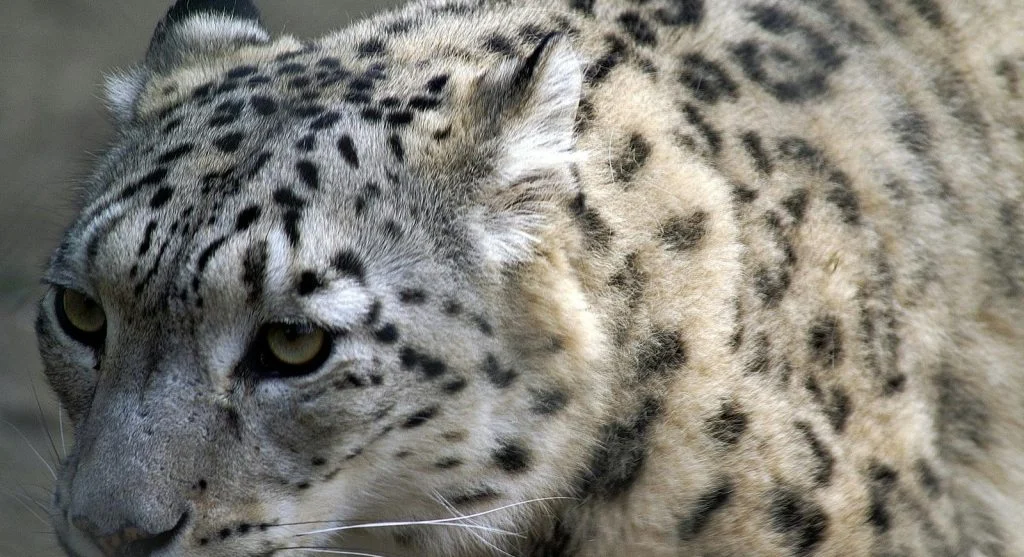
Gray and white spotted fur patterns help snow leopards blend into rocky mountain environments. Wildlife experts explain that camouflage allows these predators to approach prey while remaining difficult to detect.
This camouflage also helps snow leopards avoid visibility in exposed mountain landscapes.
Researchers studying predator behavior continue examining how camouflage supports hunting success.
4. Their Long Tails Help With Balance and Warmth
Snow leopards have unusually long, thick tails that serve several important functions. Wildlife researchers explain that tails help maintain balance while climbing steep cliffs and rocky terrain.
During cold weather, snow leopards may also wrap tails around the body for additional warmth.
Mountain survival adaptations like these help support life in harsh high-altitude ecosystems.
5. Snow Leopards Can Leap Across Large Distances
Another surprising snow leopard fact involves jumping ability. These cats are capable of powerful leaps across rocky gaps and steep mountain slopes.
Strong leg muscles and flexible movement help snow leopards navigate difficult terrain while hunting prey.
Wildlife experts studying mountain predators explain that agility plays a major role in snow leopard survival.
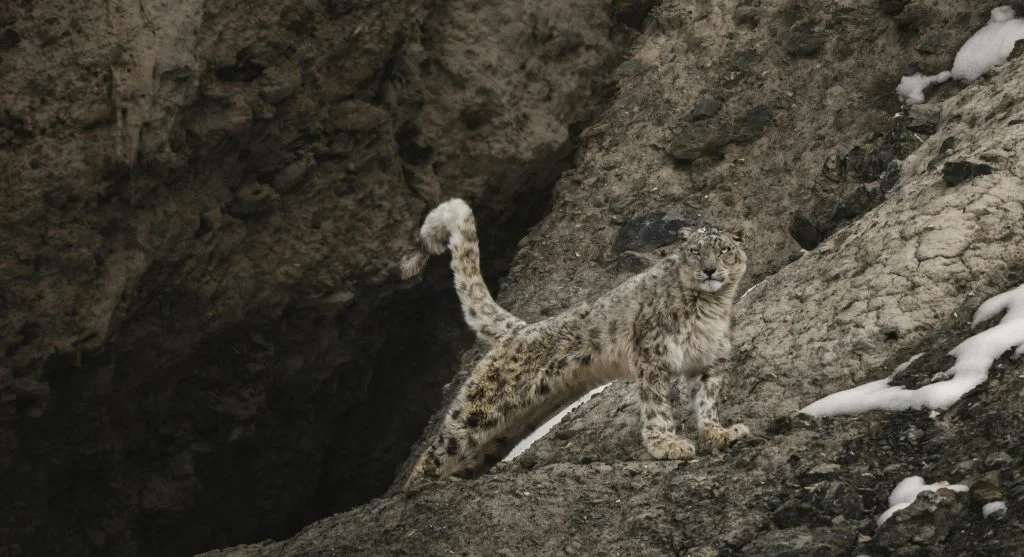
Credit: Bharath Kumar Venkatesh / Pexels
6. Many Snow Leopards Prefer Solitary Lifestyles
Snow leopards are generally solitary animals except during breeding or parenting periods. Wildlife researchers explain that individuals often travel alone across large mountain territories.
Limited food resources and rugged terrain may influence this behavior.
Researchers continue monitoring snow leopard movement using cameras and tracking technology in remote habitats.
7. Snow Leopards Hunt Mountain Prey Species
Wild goats, sheep, marmots, and other mountain animals often serve as prey for snow leopards. Wildlife specialists explain that hunting conditions in mountain environments require patience, stealth, and strong climbing ability.
Predator-prey relationships remain important for maintaining ecosystem balance in alpine regions.
Snow leopard habitat protection also supports broader mountain biodiversity.
8. Habitat Challenges Affect Snow Leopard Populations
Habitat fragmentation, declining prey populations, and environmental pressures can affect snow leopard survival in some regions.
Conservation organizations continue supporting mountain habitat protection and wildlife monitoring programs.
Wildlife experts emphasize the importance of preserving connected ecosystems that support both predators and prey species.
9. Snow Leopards Remain Difficult to Observe in the Wild
Because of camouflage, remote habitat, and solitary behavior, snow leopards are extremely difficult for researchers and visitors to observe in natural environments.
Camera traps and remote monitoring systems help scientists study behavior without disturbing wildlife.
These research efforts continue improving understanding of snow leopard ecology and mountain conservation needs.
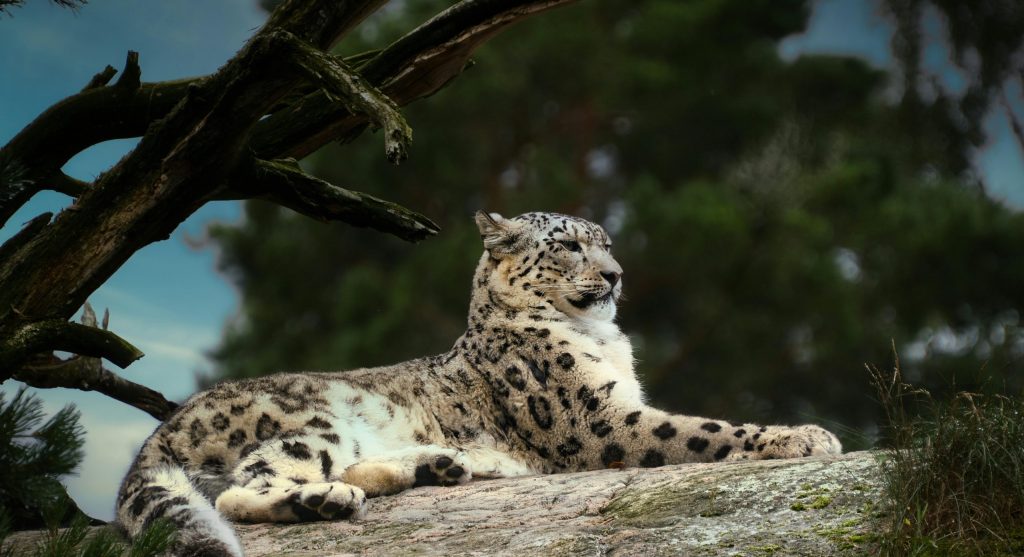
Credit: Ville Aalto / Pexels
Frequently Asked Questions
Q: Where do snow leopards live?
A: Snow leopards live in high mountain regions across parts of Central and South Asia.
Q: Why are snow leopards difficult to see?
A: Camouflage, remote habitats, and solitary behavior make snow leopards extremely difficult to observe.
Q: What do snow leopards eat?
A: Snow leopards commonly hunt mountain prey such as wild sheep, goats, and smaller mammals.
Q: Why do snow leopards have long tails?
A: Long tails help with balance while climbing and may provide warmth during cold weather.
Q: What threatens snow leopard habitats?
A: Habitat fragmentation, environmental changes, and declining prey populations can affect snow leopard survival.
Key Takeaway
These snow leopard facts reveal how specialized predators survive in some of the world’s harshest mountain environments. Camouflage, thick fur, climbing ability, and solitary behavior all help snow leopards adapt to rugged high-altitude habitats. Wildlife researchers and conservation groups continue emphasizing the importance of protecting mountain ecosystems that support snow leopard populations and broader biodiversity.