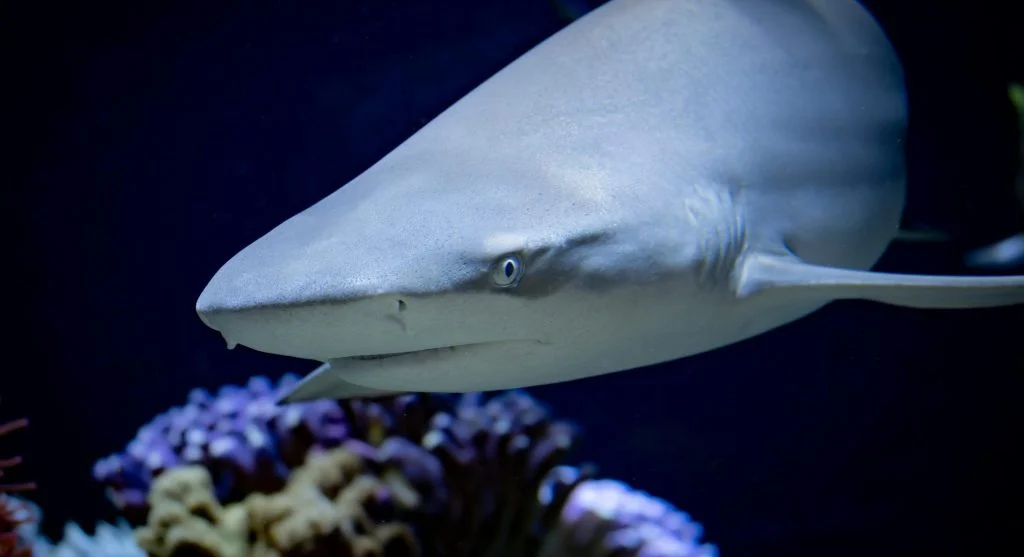
Sharks are among the most misunderstood animals in the ocean. Movies, dramatic headlines, and internet stories have contributed to many misconceptions about how sharks behave around humans and marine ecosystems.
Marine researchers studying shark behavior facts explain that sharks play important ecological roles in ocean food chains. Understanding the truth behind common shark myths can help improve public awareness about marine wildlife and ocean conservation.
Myth 1: Sharks Constantly Hunt Humans
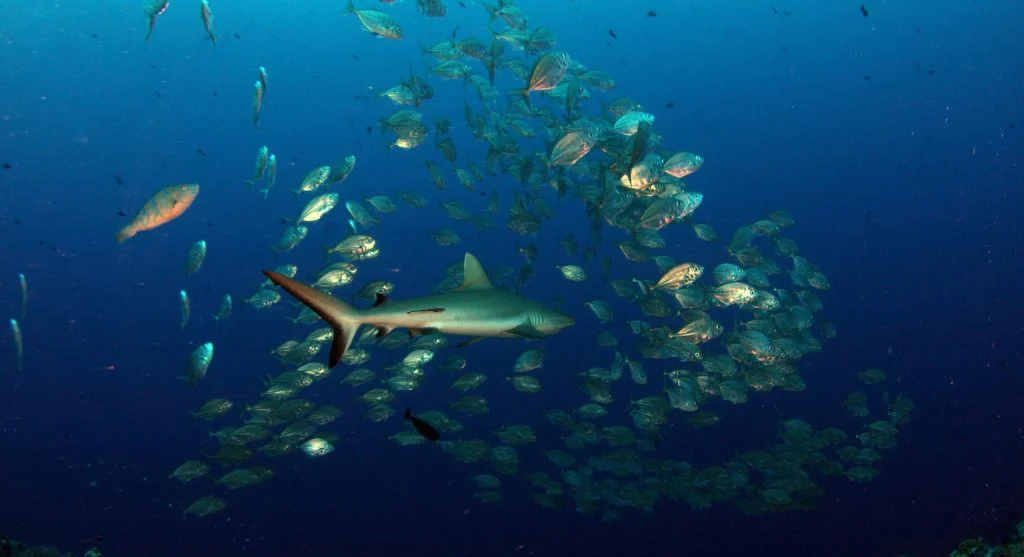
One of the most common shark myths is the belief that sharks naturally target humans as prey. Marine wildlife experts explain that most shark species do not actively hunt people.
According to ocean researchers, sharks usually feed on fish, seals, squid, crustaceans, and other marine animals depending on species.
Many shark encounters occur because of curiosity, mistaken identity, or environmental conditions rather than intentional hunting behavior.
Credit: Graham Henderson / Pexels
Myth 2: All Sharks Are Large Predators
Another misconception involves shark size. Wildlife experts explain that many shark species are relatively small and harmless to humans.
Some sharks grow only a few feet long and feed mainly on small fish or plankton. Whale sharks, the largest fish species in the world, primarily eat tiny marine organisms despite their enormous size.
Marine biodiversity researchers continue studying the wide variety of shark species living in ocean ecosystems.
Myth 3: Sharks Never Stop Moving
Some shark species must keep swimming to maintain water flow across their gills, but not all sharks behave this way.
Marine wildlife specialists explain that certain sharks can rest on the ocean floor while pumping water over their gills naturally.
Shark behavior facts vary widely depending on species, habitat, and environmental conditions.
Myth 4: Sharks Are Mindless Predators
Researchers studying marine animal behavior have found evidence that some sharks display learning abilities, memory, and complex sensory responses.
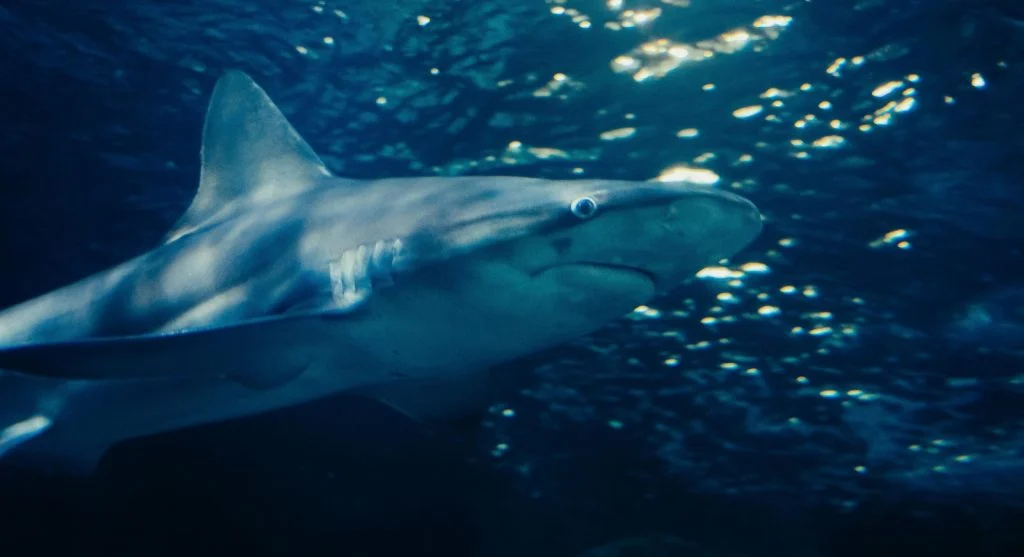
Wildlife experts explain that sharks rely on smell, hearing, electrical sensing, and movement detection while navigating ocean environments.
Some species also display curiosity and investigative behavior around unfamiliar objects.
Credit: Benni Fish / Pexels
Myth 5: Sharks Are Found Everywhere in the Ocean
Different shark species prefer different habitats. Some live near coral reefs, while others inhabit deep ocean waters, coastal areas, or colder marine regions.
Marine researchers explain that habitat preference often depends on food supply, water temperature, and breeding conditions.
Not all beaches or ocean regions contain large shark populations.
Myth 6: Sharks Have Poor Vision
Another surprising shark myth involves eyesight. Many sharks have well-developed vision adapted for underwater environments.
Wildlife specialists explain that some species can see effectively in low-light conditions while combining vision with other sensory systems.
Sharks often rely on multiple senses together during hunting and navigation.
Myth 7: Sharks Do Not Help Ocean Ecosystems
Sharks play important ecological roles as predators within marine food chains. Marine conservation experts explain that healthy shark populations help maintain ecosystem balance.
By influencing prey populations, sharks indirectly support biodiversity in some ocean habitats.
Researchers studying marine ecosystems continue emphasizing the importance of protecting ocean predator species.
Myth 8: Shark Populations Face No Threats
Many shark species face environmental pressures including overfishing, habitat loss, pollution, and accidental capture in fishing equipment.
Conservation organizations continue supporting research and habitat protection efforts aimed at preserving marine biodiversity.
Marine wildlife experts explain that healthy oceans depend on balanced ecosystems that include predators such as sharks.
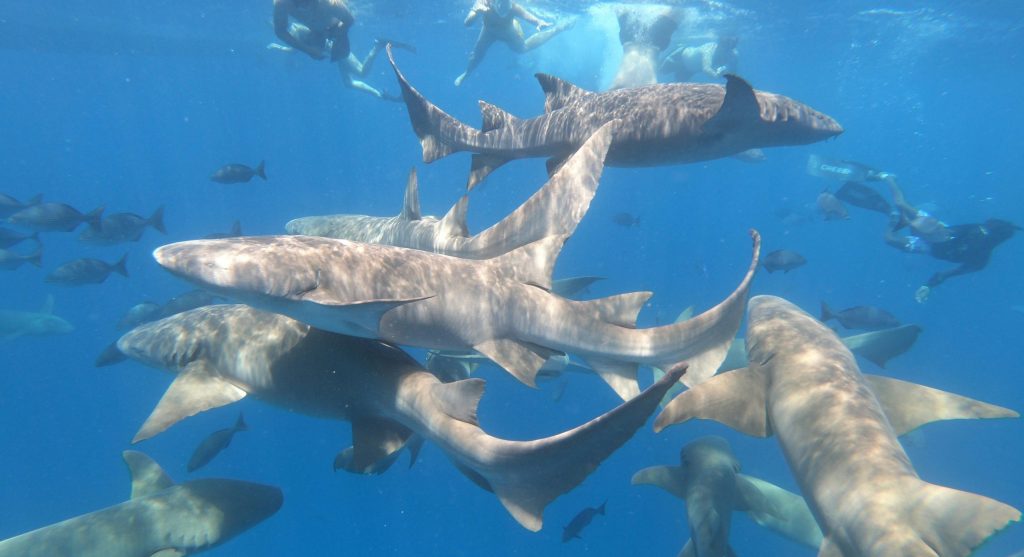
Credit: Mukesh Rawat / Pexels
Frequently Asked Questions
Q: Do sharks naturally hunt humans?
A: Marine experts explain that most sharks do not intentionally hunt humans as prey.
Q: Are all sharks dangerous?
A: No. Many shark species are small, harmless, and feed mainly on fish or plankton.
Q: Why are sharks important for ecosystems?
A: Sharks help regulate marine food chains and support balanced ocean ecosystems.
Q: Can sharks see well underwater?
A: Many sharks have effective underwater vision and combine sight with other sensory abilities.
Q: What threatens shark populations?
A: Overfishing, pollution, habitat damage, and accidental fishing capture affect many shark species.
Key Takeaway
Understanding the truth behind common shark myths helps improve public awareness about marine wildlife and ocean conservation. Sharks are highly specialized animals that play important ecological roles within marine ecosystems. Wildlife researchers and conservation groups continue emphasizing the importance of protecting shark populations and maintaining healthy ocean biodiversity worldwide.