Autumn brings major changes to forests, wetlands, grasslands, and mountain ecosystems. Cooler temperatures, colorful leaves, and seasonal migration patterns create excellent opportunities for observing wildlife in natural habitats.
Wildlife experts studying autumn wildlife watching explain that many species become more active during fall while preparing for winter conditions. Understanding seasonal animal behavior can help outdoor visitors safely observe wildlife while respecting natural habitats.
Why Wildlife Activity Increases During Autumn
Many animals become especially active during fall because they are preparing for colder months ahead. Wildlife researchers explain that food gathering, migration, breeding activity, and winter preparation all influence seasonal movement patterns.
Some mammals increase feeding activity to build fat reserves before winter, while birds gather for migration journeys.
Seasonal wildlife activity often becomes easier to observe because cooler temperatures encourage more daytime movement.
Credit: A. G. Rosales / Pexels
Bird Migration Peaks During Fall
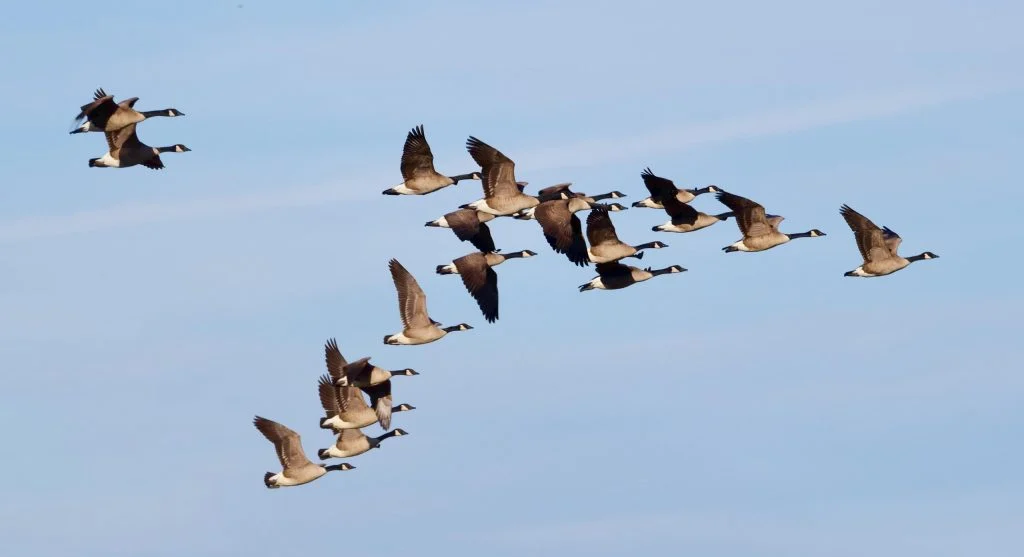
One of the biggest highlights of autumn wildlife watching involves bird migration. Millions of birds travel southward during fall while moving toward warmer winter habitats.
Wildlife specialists explain that wetlands, coastlines, forests, and open fields may attract large numbers of migratory birds during this period.
Birdwatchers often use binoculars and field guides to identify species during seasonal migration activity.
Many Mammals Increase Feeding Activity
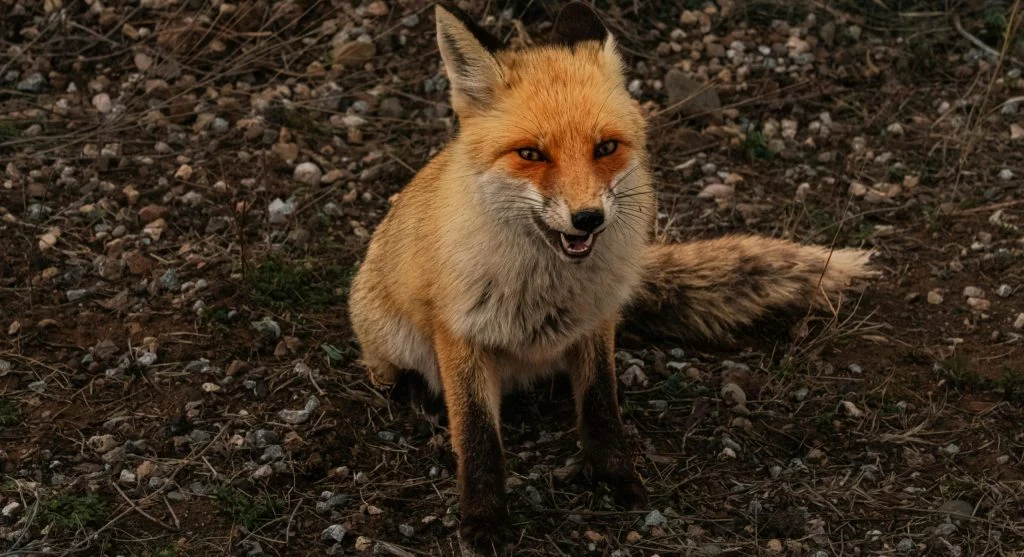
Fall feeding behavior becomes important for many mammals preparing for colder weather. Wildlife researchers explain that bears, squirrels, deer, foxes, and other species often spend extra time searching for food.
Acorns, berries, nuts, and late-season plants provide important energy sources in many ecosystems.
Outdoor wildlife tips often encourage visitors to quietly observe feeding behavior from safe distances without disturbing natural routines.
Cooler Weather Improves Wildlife Viewing Conditions
Autumn temperatures are often more comfortable for both wildlife and outdoor visitors. Many animals become more visible during cooler mornings and evenings compared with hot summer afternoons.
Wildlife experts explain that reduced heat stress may increase movement near trails, wetlands, rivers, and forest edges.
Foggy mornings and colorful foliage also create popular photography conditions for nature enthusiasts.
Credit: M.Emin BİLİR / Pexels
Fall Colors Can Help Wildlife Stay Hidden
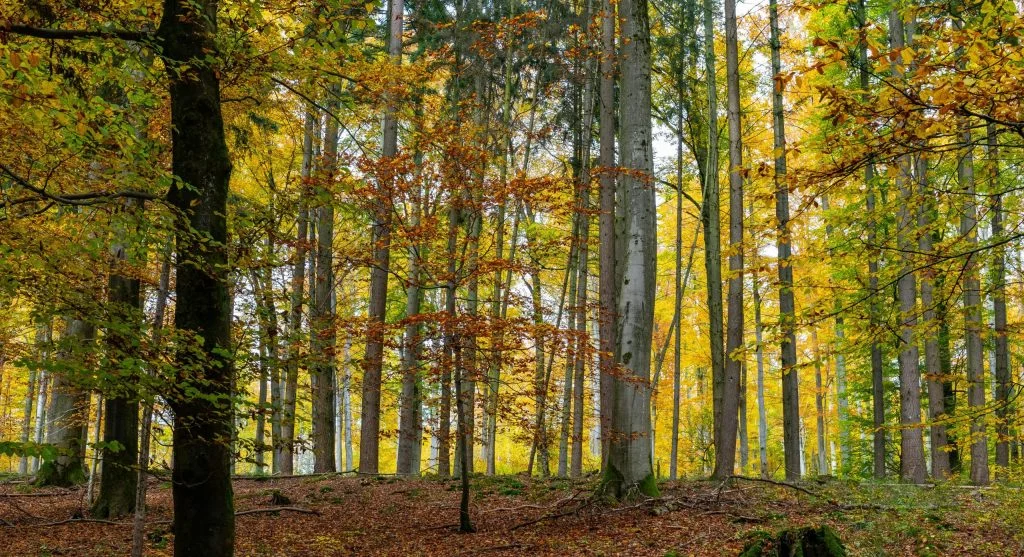
Although animals may become more active during autumn, changing landscapes can also improve camouflage. Brown leaves, dry grass, and seasonal vegetation help some animals blend into surroundings.
Wildlife researchers explain that careful observation becomes important because many species remain difficult to notice despite increased movement.
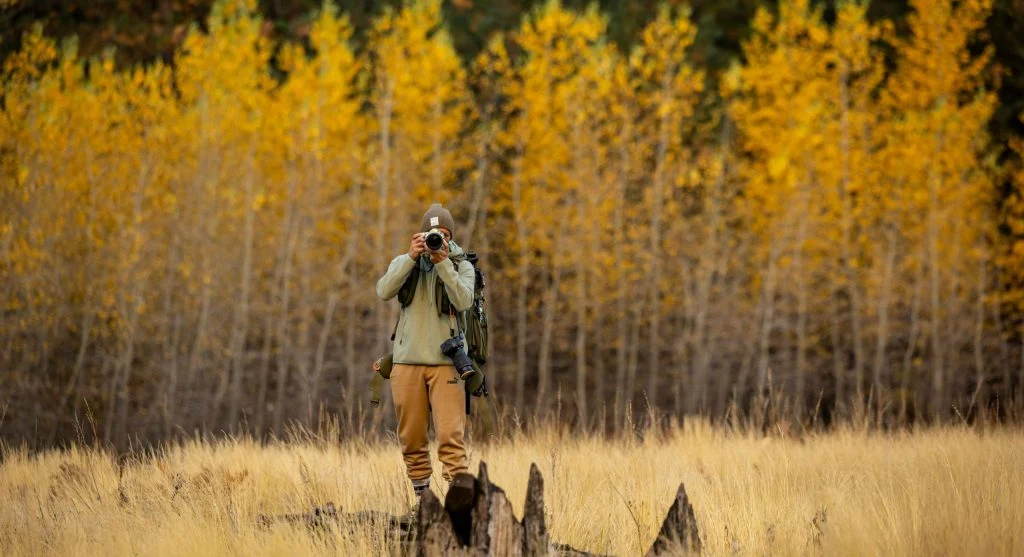
Binoculars and slow, quiet movement can improve wildlife watching success during fall outings.
Wetlands and Rivers Attract Seasonal Wildlife
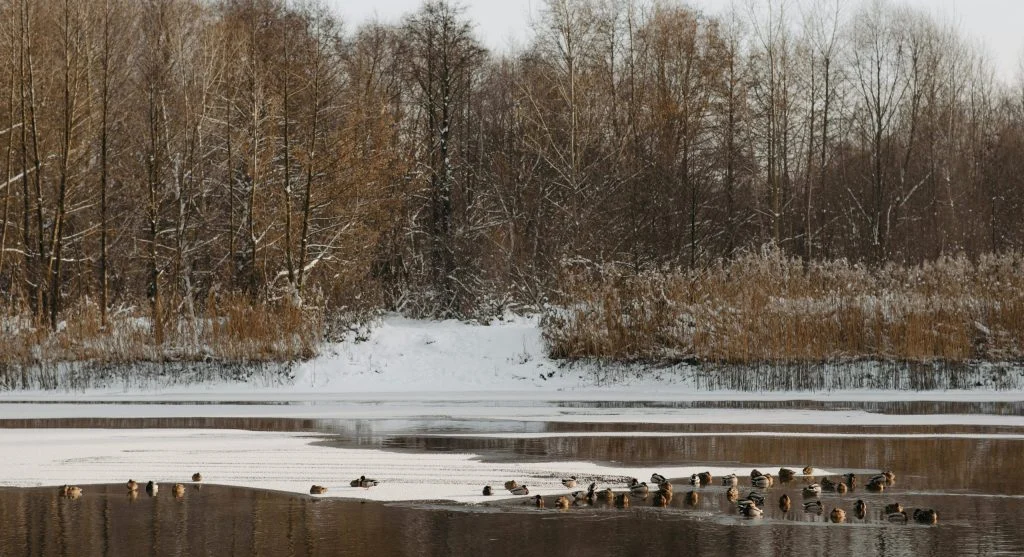
Wetlands, lakes, and rivers often become important gathering areas during autumn migration periods. Waterfowl, shorebirds, fish, and mammals may all increase activity near water systems.
Conservation researchers explain that healthy wetlands support biodiversity and provide resting areas for migrating species.
Protected natural habitats continue playing important roles during seasonal wildlife movement.
Responsible Wildlife Viewing Remains Important
Wildlife experts encourage visitors to maintain safe distances, stay on trails, and avoid disturbing feeding or migration activity.
Autumn can become a stressful survival period for some animals preparing for winter, making responsible outdoor behavior especially important.
Outdoor wildlife tips also include reducing noise, securing food properly, and respecting protected habitat areas.
Credit: Stephen Leonardi / Pexels
Frequently Asked Questions
Q: Why is autumn good for wildlife watching?
A: Many animals become more active during autumn while preparing for migration, feeding, or winter survival.
Q: What wildlife is active during autumn?
A: Birds, deer, foxes, bears, squirrels, elk, and many migratory species become active during fall.
Q: Why do birds migrate during autumn?
A: Birds migrate to warmer areas where food sources remain available during winter months.
Q: Where are the best places to watch wildlife during fall?
A: Forests, wetlands, rivers, grasslands, and protected natural parks often provide good wildlife viewing opportunities.
Q: How can visitors safely watch wildlife during autumn?
A: Visitors should stay on trails, keep safe distances, move quietly, and avoid disturbing animals.
Key Takeaway
Autumn wildlife watching provides excellent opportunities to observe migration, feeding behavior, and seasonal ecosystem changes. Cooler temperatures and increased wildlife activity make fall one of the most popular seasons for outdoor nature experiences. Wildlife experts continue encouraging responsible wildlife viewing practices that protect habitats while allowing visitors to safely enjoy seasonal biodiversity.