Arctic foxes are among the most adaptable animals in the northern hemisphere. These small predators survive in some of the coldest environments on Earth, where temperatures can drop far below freezing for long periods.
Wildlife researchers continue studying Arctic fox behavior because the species shows remarkable survival skills in harsh tundra conditions. From seasonal fur changes to long-distance travel, many Arctic fox facts continue to surprise nature experts and wildlife photographers alike.
Why Arctic Fox Facts Continue to Fascinate Wildlife Researchers
The Arctic fox is found across Arctic regions including northern Canada, Alaska, Greenland, Iceland, Scandinavia, and Russia. Wildlife biologists note that the species has evolved several physical adaptations that help it survive freezing temperatures and food shortages.
Unlike many animals that struggle during Arctic winters, Arctic foxes remain active throughout the year. Their thick fur, compact bodies, and strong hunting instincts help them stay alive during difficult seasonal conditions.
Researchers studying Arctic wildlife also point out that Arctic fox populations can provide important information about climate conditions and ecosystem changes in northern regions.
Credit: Caleb Falkenhagen / Pexels
Arctic Foxes Change Fur Color With the Seasons
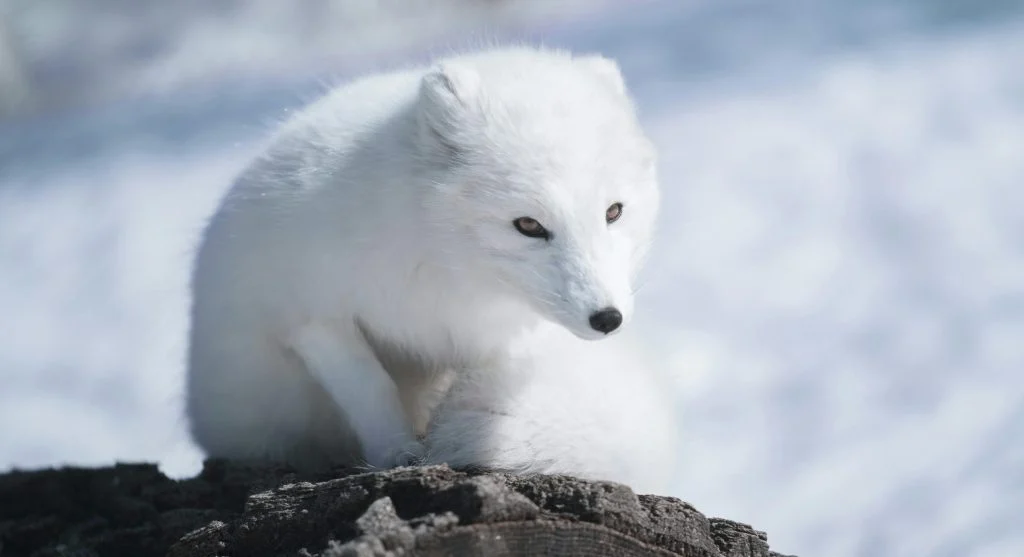
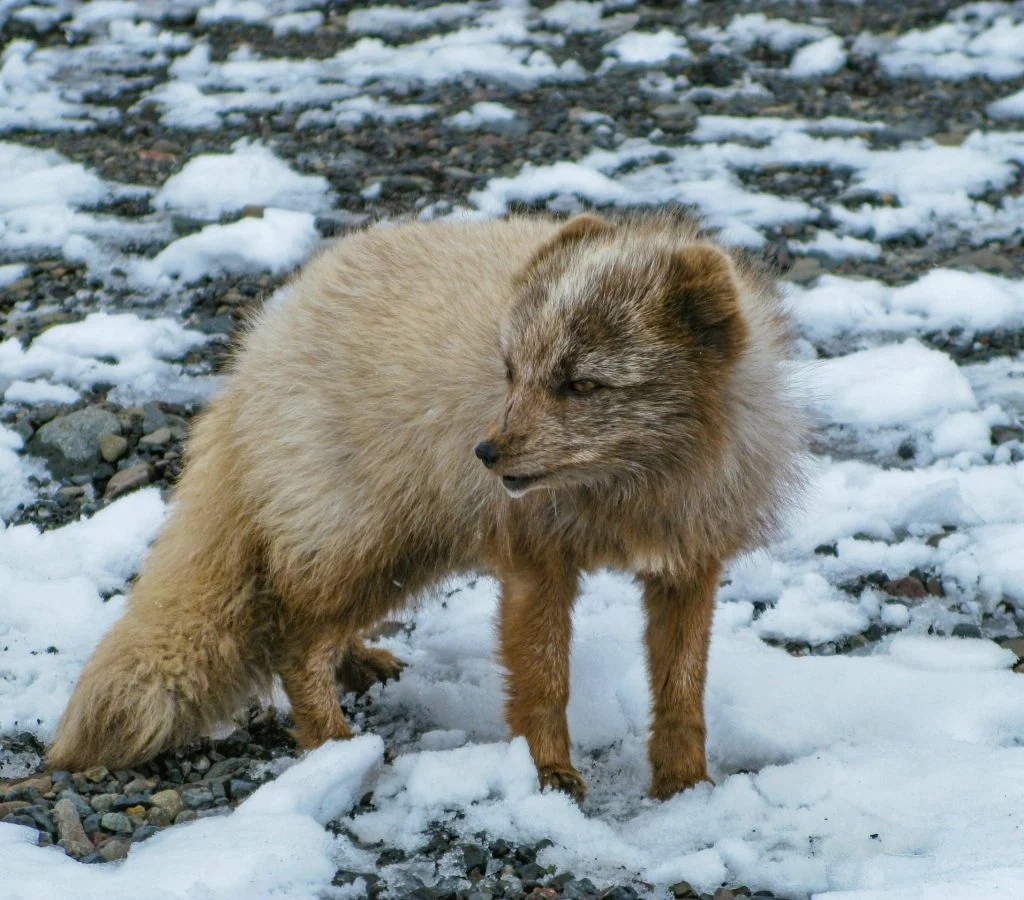
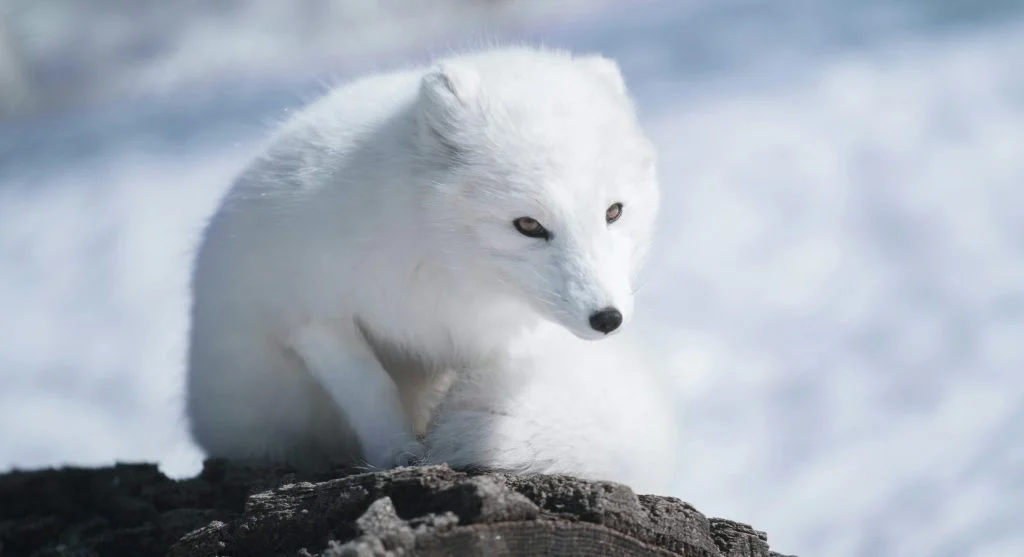
One of the best-known Arctic fox facts involves the animal’s seasonal coat color changes. During winter, most Arctic foxes develop thick white fur that blends into snowy landscapes. In summer, the fur usually turns brown or gray to match rocks, soil, and vegetation.
Wildlife specialists explain that this natural camouflage helps Arctic foxes avoid predators and hunt prey more effectively. The seasonal color shift also helps them remain less visible while protecting their dens.
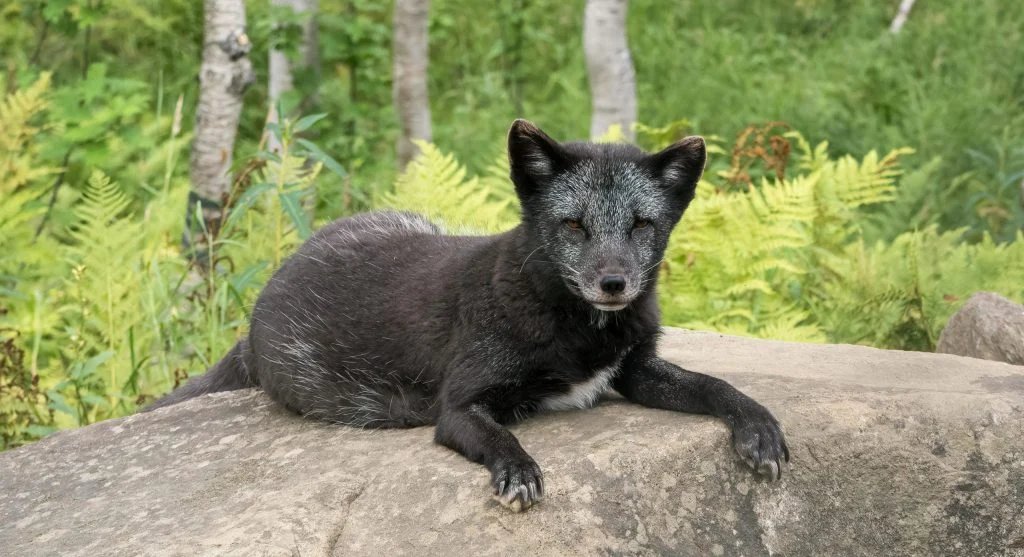
Not every Arctic fox changes color in the same way. Some populations, especially in coastal regions, may keep darker fur throughout the year.
These Small Predators Can Survive Extreme Cold
According to Arctic wildlife researchers, Arctic foxes can survive temperatures as low as minus 58 degrees Fahrenheit. Their thick fur is considered one of the warmest natural coats among mammals.
The fox’s small ears, short muzzle, and compact body shape reduce heat loss. Experts who study fox survival adaptations also note that the animal wraps its thick tail around its body while resting to conserve warmth.
Peer-reviewed environmental research suggests Arctic foxes also lower their activity levels during severe winter storms to preserve energy.
Arctic Foxes Travel Huge Distances Across Ice and Snow
Many people are surprised to learn how far Arctic foxes can travel. Tracking studies show that some foxes move thousands of miles across frozen sea ice and tundra landscapes.
Wildlife experts believe these long-distance movements help foxes locate food and breeding areas. In years when prey becomes scarce, Arctic foxes may travel for months before settling in another region.
Some conservation researchers have documented Arctic foxes traveling between countries and crossing large frozen ocean areas during migration-like journeys.
Credit: Danne Rydgren / Pexels
Arctic Foxes Use Excellent Hearing to Hunt
Arctic foxes rely heavily on their hearing while searching for prey hidden under snow. These predators often hunt small rodents called lemmings, which remain active beneath snow layers during winter.
Wildlife photographers frequently observe Arctic foxes listening carefully before jumping headfirst into deep snow to capture prey. Experts studying tundra animals note that the fox’s sharp hearing gives it a major hunting advantage in difficult conditions.
When rodent populations decline, Arctic foxes may also eat birds, fish, eggs, berries, or leftover food from larger predators such as polar bears.
Arctic Fox Dens Can Be Used for Generations
Arctic fox dens are often located on elevated ground where snow melts earlier during spring. Some dens contain multiple entrances and underground tunnels that provide shelter from harsh weather.
Researchers studying Arctic fox facts have discovered that certain dens may be used repeatedly for decades or even centuries. Over time, these dens can become important parts of local Arctic ecosystems.
Wildlife scientists also report that nutrient buildup around dens sometimes attracts additional plant growth compared to surrounding tundra areas.
Climate Change May Affect Arctic Fox Populations
Conservation groups continue monitoring how warming temperatures may impact Arctic fox habitats. Changes in snow conditions, prey availability, and sea ice patterns can affect hunting and movement behavior.
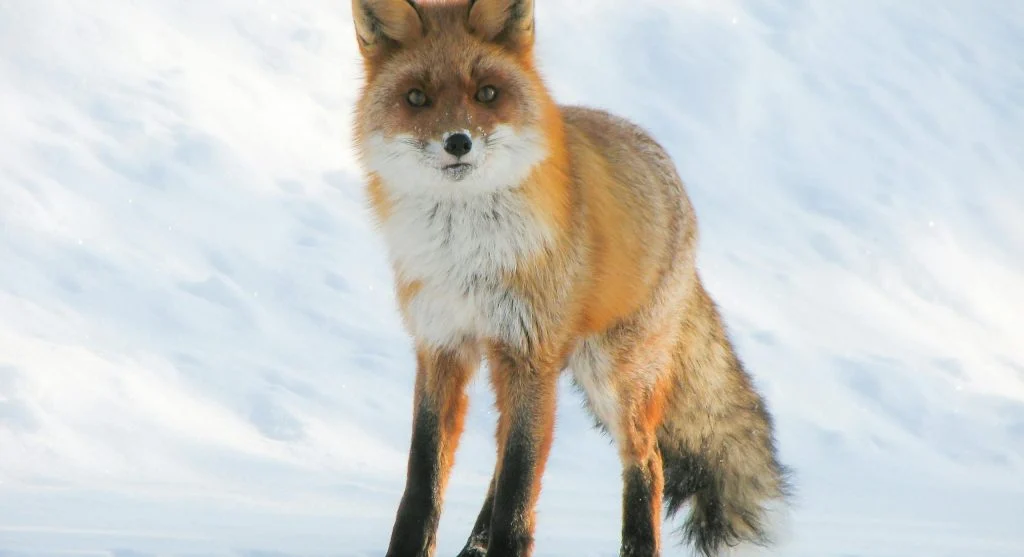
Another concern involves the spread of red foxes into northern territories. Red foxes are larger and may compete with Arctic foxes for food and shelter in some regions.
According to conservation researchers, protecting Arctic ecosystems remains important for maintaining healthy Arctic wildlife populations in the future.
Credit: Rino Adamo / Pexels
Frequently Asked Questions
Q: Where do Arctic foxes live?
A: Arctic foxes live in northern Arctic regions including Canada, Alaska, Greenland, Iceland, Scandinavia, and Russia. They mainly inhabit tundra environments.
Q: Why do Arctic foxes change color?
A: Seasonal fur color changes help Arctic foxes blend into their surroundings. White fur helps during snowy winters, while darker summer fur improves camouflage on rocky tundra ground.
Q: What do Arctic foxes eat?
A: Arctic foxes commonly eat lemmings, birds, fish, eggs, and small animals. They may also feed on berries or leftover food from larger predators.
Q: Are Arctic foxes endangered?
A: Arctic fox populations remain stable in several regions, but some local populations face threats from habitat changes and competition from larger predators.
Q: How do Arctic foxes survive cold temperatures?
A: Thick fur, compact body shape, strong hunting abilities, and energy conservation behaviors help Arctic foxes survive severe Arctic winters.
Key Takeaway
These Arctic fox facts highlight why the species remains one of the most fascinating animals in the Arctic. From seasonal camouflage to impressive survival adaptations, Arctic foxes continue to attract attention from wildlife researchers and conservation experts. Their ability to survive freezing temperatures and travel across vast tundra landscapes shows how specialized Arctic wildlife can become in extreme environments.