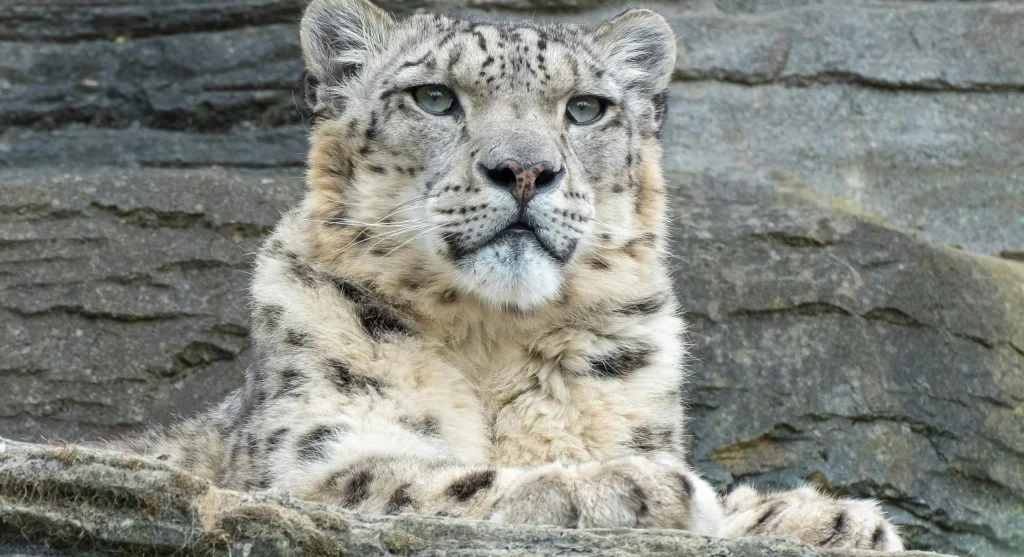
Snow leopards are among the most mysterious large cats living in remote mountain environments. These predators inhabit rugged high-altitude regions across Central and South Asia, where steep cliffs, rocky slopes, and snowy landscapes provide natural camouflage and protection.
Wildlife researchers studying why snow leopards are difficult to spot explain that specialized survival adaptations, remote habitats, and naturally cautious behavior all contribute to their elusive reputation. Snow leopards remain one of the hardest big cats to observe in the wild.
Natural Camouflage Helps Snow Leopards Blend In
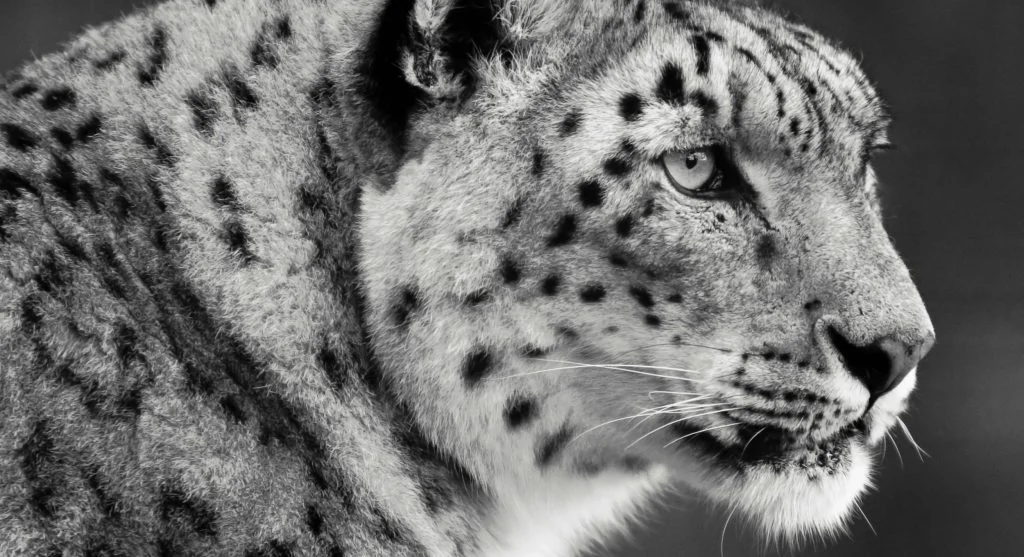
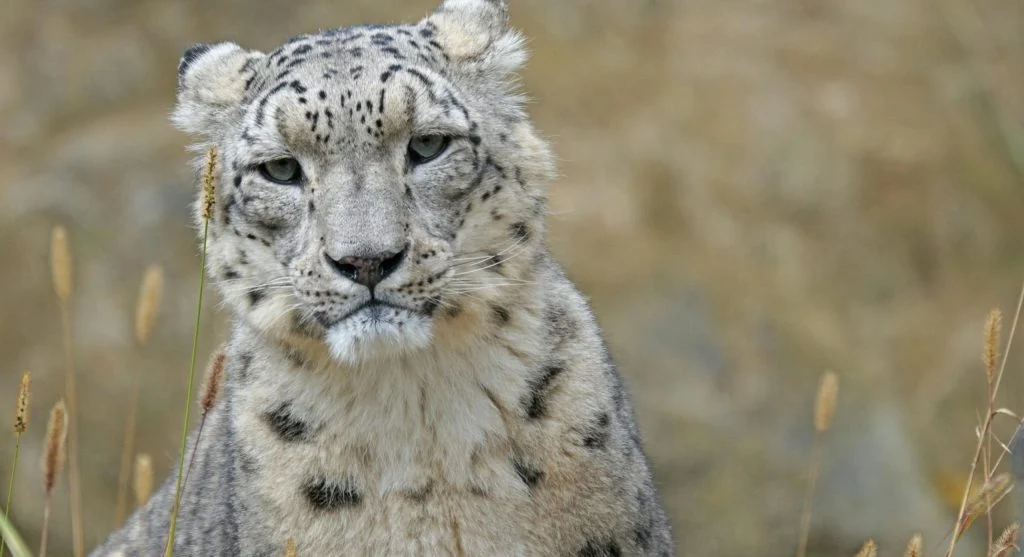
One major reason why snow leopards are difficult to spot involves camouflage. Their thick fur contains gray, white, and dark rosette patterns that blend naturally into rocky mountain environments.
Wildlife experts explain that camouflage helps snow leopards avoid detection while hunting and moving through steep terrain.
Snow-covered cliffs and rocky landscapes often make these animals extremely difficult to see from a distance.
Snow Leopards Live in Remote Mountain Regions
High-altitude mountain habitats remain difficult for humans to access. Wildlife researchers explain that snow leopards often inhabit rugged terrain with cliffs, narrow valleys, and rocky slopes far from populated areas.
Extreme weather and thin mountain air also make wildlife observation more challenging.
These remote conditions help limit direct human contact with snow leopard populations.
They Usually Hunt Alone
Unlike some social predators, snow leopards are generally solitary animals. Wildlife experts explain that individual cats often travel and hunt independently across large territories.
Solitary behavior helps reduce competition for food in mountain ecosystems where prey may be scattered.
Researchers studying mountain predator behavior continue monitoring movement patterns using camera traps and tracking technology.
Thick Fur Protects Against Freezing Temperatures
Snow leopard adaptations include dense fur that helps conserve warmth in extremely cold environments. Wildlife specialists explain that thick coats cover much of the body, including paws and tails.
Long bushy tails may also help provide balance while climbing steep terrain.
Cold-weather survival depends heavily on insulation and efficient movement in harsh mountain conditions.
Powerful Legs Help With Climbing and Jumping
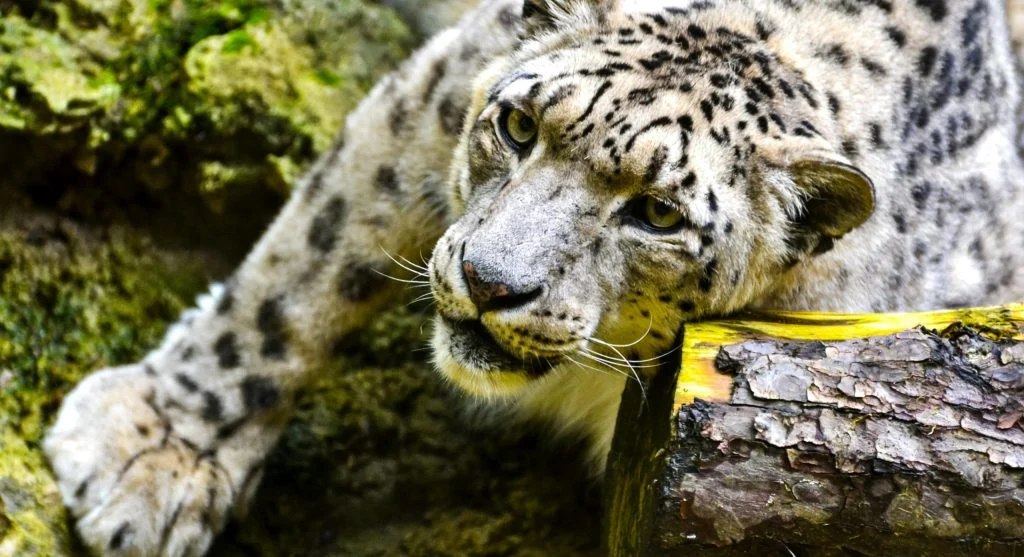
Snow leopards are highly skilled climbers capable of moving across steep rocky environments. Wildlife researchers explain that strong legs support climbing, jumping, and movement across dangerous terrain.
Mountain habitats require balance, agility, and precise movement for successful hunting and travel.
These adaptations help snow leopards navigate cliffs and narrow ledges safely.
Mountain Prey Species Influence Snow Leopard Movement
Wild mountain sheep, goats, and smaller mammals often serve as prey for snow leopards. Wildlife experts explain that predator movement patterns may follow prey distribution and seasonal environmental conditions.
Healthy mountain ecosystems support balanced predator-prey relationships.
Researchers continue monitoring biodiversity within high-altitude habitats.
Conservation Efforts Continue Supporting Snow Leopard Populations
Habitat fragmentation, declining prey populations, and environmental pressures may affect snow leopard populations in some regions.
Wildlife conservation organizations continue supporting habitat protection, scientific monitoring, and biodiversity conservation programs across mountain ecosystems.
Researchers studying why snow leopards are difficult to spot emphasize the importance of protecting remote wilderness habitats and maintaining healthy mountain biodiversity.
Frequently Asked Questions
Q: Why are snow leopards difficult to spot?
A: Camouflage, remote habitats, and cautious solitary behavior make snow leopards hard to observe.
Q: Where do snow leopards live?
A: Snow leopards inhabit high-altitude mountain regions across Central and South Asia.
Q: How do snow leopards survive cold weather?
A: Thick fur and specialized body adaptations help conserve warmth in freezing environments.
Q: What do snow leopards eat?
A: Snow leopards mainly hunt mountain sheep, goats, and smaller mammals.
Q: Why are mountain ecosystems important for snow leopards?
A: Healthy mountain ecosystems provide habitat, prey, and environmental stability.
Key Takeaway
Understanding why snow leopards are difficult to spot reveals how specialized adaptations help predators survive in remote mountain ecosystems. Camouflage, solitary behavior, climbing ability, and thick insulation all contribute to snow leopard survival in harsh high-altitude environments. Wildlife researchers and conservation organizations continue emphasizing the importance of protecting mountain habitats and maintaining biodiversity across fragile wilderness ecosystems.