Dolphins are among the most recognizable marine mammals living in oceans around the world. Known for intelligence, social behavior, and playful movement, dolphins continue attracting attention from wildlife researchers and ocean conservation groups.
Marine scientists studying dolphin facts continue discovering how these animals communicate, navigate, cooperate, and survive in changing ocean environments. Their advanced social behavior and environmental adaptations make dolphins one of the most fascinating marine species.
1. Dolphins Use Complex Communication Sounds
One of the most remarkable dolphin facts involves communication. Dolphins produce whistles, clicks, and body movements that help support social interaction and environmental awareness.
Marine researchers explain that different sounds may help dolphins identify individuals, locate objects, and coordinate movement within groups.
Dolphin communication continues to be an important area of marine wildlife research.
2. Dolphins Are Highly Social Animals
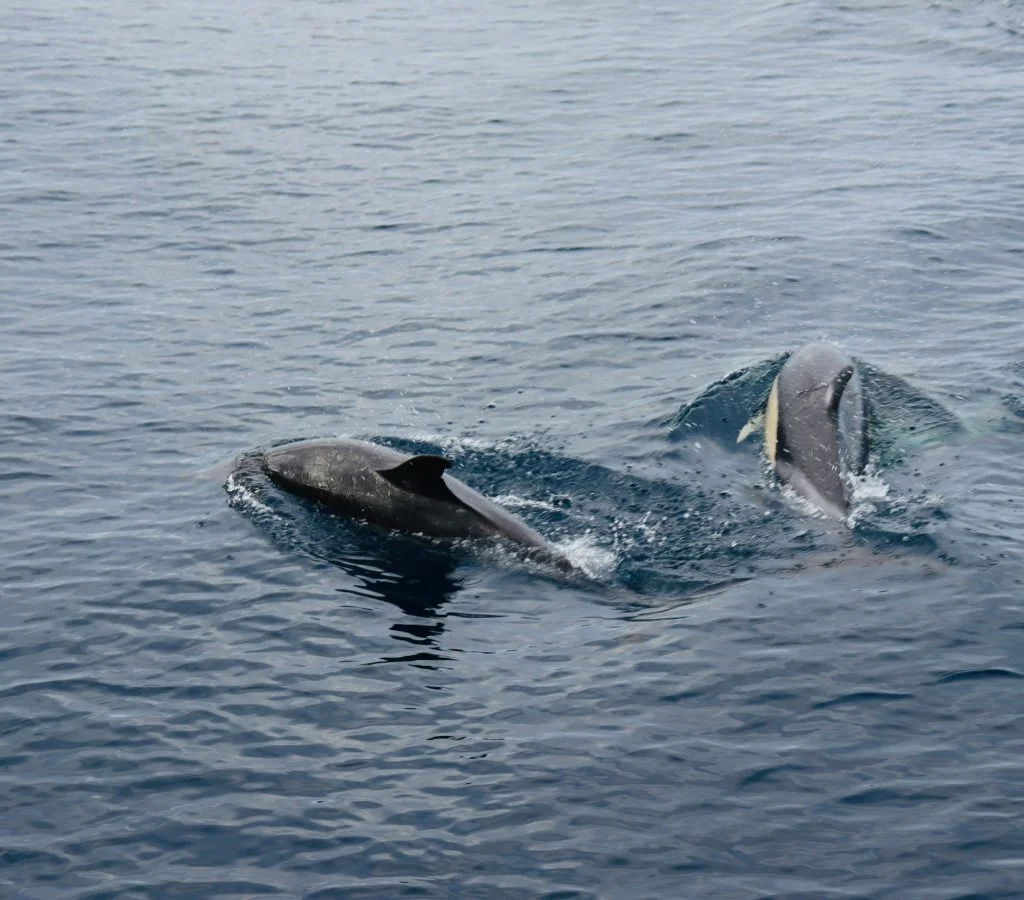
Dolphins often travel and hunt in groups commonly called pods. Wildlife experts explain that social cooperation may improve protection, communication, and feeding success.
Pod size can vary depending on species, habitat conditions, and food availability.
Marine mammal behavior researchers continue studying group relationships and social learning in dolphins.
3. Echolocation Helps Dolphins Navigate
Another fascinating ocean wildlife adaptation involves echolocation. Dolphins produce clicking sounds and listen for echoes returning from surrounding objects.
Marine experts explain that echolocation helps dolphins navigate underwater environments and locate prey.
This adaptation remains especially useful in dark or murky water conditions.
4. Dolphins Must Surface Regularly to Breathe
Unlike fish, dolphins are mammals and breathe air using lungs. Wildlife researchers explain that dolphins must regularly return to the water surface for breathing.
Blowholes located on top of the head allow quick breathing during swimming activity.
Dolphins remain highly adapted to life in marine environments despite requiring air.
5. Dolphins Have Streamlined Bodies for Fast Swimming
Dolphins possess smooth streamlined body shapes that help reduce water resistance during movement.
Marine researchers explain that strong muscles and tail movement support fast swimming and efficient travel across large ocean areas.
Swimming ability helps dolphins search for food and avoid predators.
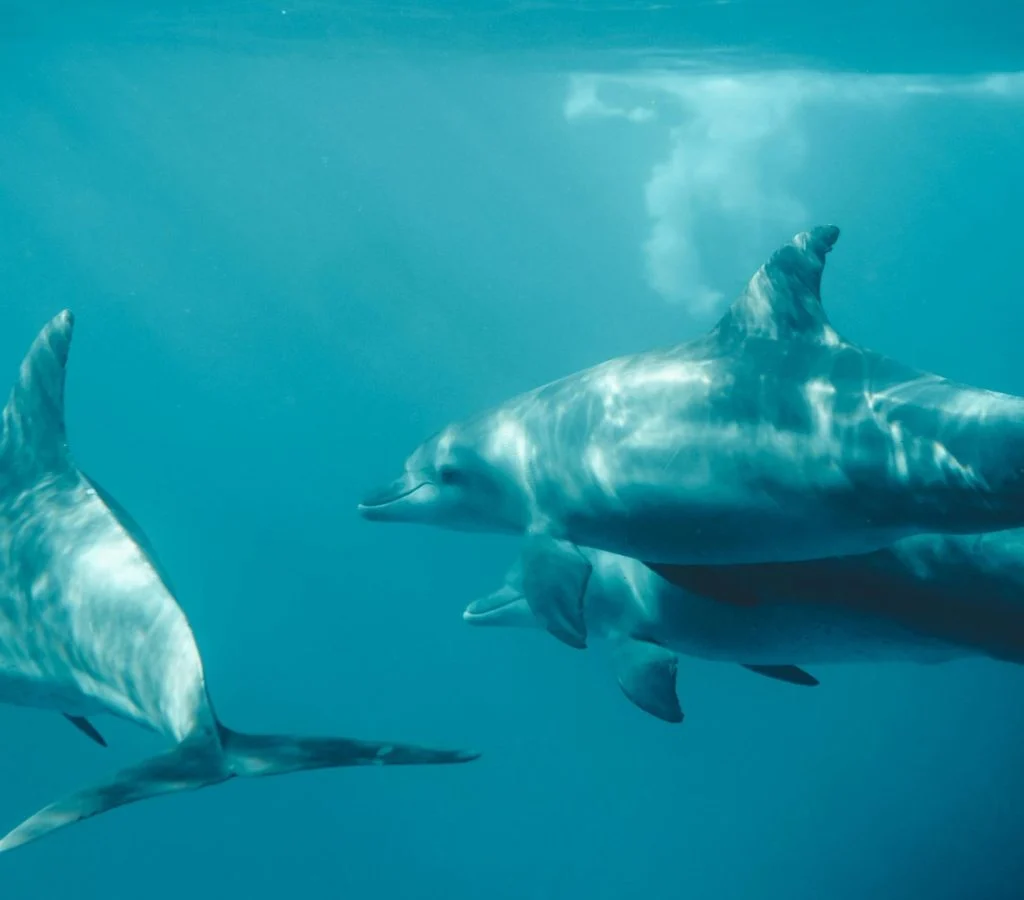
6. Different Dolphin Species Live Around the World
Dolphins inhabit many marine environments ranging from warm tropical waters to cooler coastal regions.
Wildlife experts explain that species differ in appearance, behavior, habitat preference, and migration patterns.
Some dolphins also live in river ecosystems rather than oceans.
7. Dolphins Play Important Roles in Marine Ecosystems
Dolphins help maintain balanced food chains within marine habitats. Marine biodiversity researchers explain that predator-prey relationships support ecosystem stability.
Healthy ocean ecosystems depend on diverse wildlife populations and functioning food webs.
Conservation organizations continue monitoring marine mammal populations worldwide.
8. Ocean Conservation Helps Protect Dolphins
Pollution, habitat degradation, fishing activity, and environmental changes may affect dolphin populations in some regions.
Marine conservation experts continue supporting protected habitats, biodiversity research, and responsible ocean management programs.
Researchers studying dolphin facts emphasize the importance of maintaining healthy oceans and marine ecosystems for long-term wildlife survival.

Frequently Asked Questions
Q: How do dolphins communicate?
A: Dolphins communicate using whistles, clicks, body movements, and sound patterns.
Q: What is echolocation?
A: Echolocation helps dolphins navigate and locate objects using sound echoes underwater.
Q: Why do dolphins live in groups?
A: Group living supports protection, communication, and cooperative feeding behavior.
Q: Do dolphins breathe underwater?
A: No. Dolphins are mammals and must surface regularly to breathe air.
Q: What threatens dolphin populations?
A: Pollution, habitat changes, fishing activity, and environmental pressure may affect dolphins.
Key Takeaway
These dolphin facts highlight how intelligence, communication, and environmental adaptations support marine mammal survival in diverse ocean habitats. Echolocation, social cooperation, and efficient swimming abilities all contribute to dolphin success within marine ecosystems. Wildlife researchers and conservation organizations continue emphasizing the importance of protecting healthy oceans and supporting long-term marine biodiversity conservation efforts.