Sea otters are among the most recognizable marine mammals living along coastal ocean environments. These playful animals spend large amounts of time floating, feeding, grooming, and resting in nearshore ecosystems filled with kelp forests and marine wildlife.
Marine researchers studying how sea otters help ecosystems explain that sea otters play an important ecological role in maintaining healthy coastal habitats. Their feeding behavior influences food chains and supports biodiversity across marine ecosystems.
Sea Otters Help Control Sea Urchin Populations
One major reason how sea otters help ecosystems involves sea urchin populations. Sea otters commonly feed on sea urchins along rocky coastal habitats.
Marine experts explain that sea urchins can heavily graze underwater kelp forests when predator populations decline.
By controlling sea urchin numbers, sea otters help protect important marine vegetation habitats.
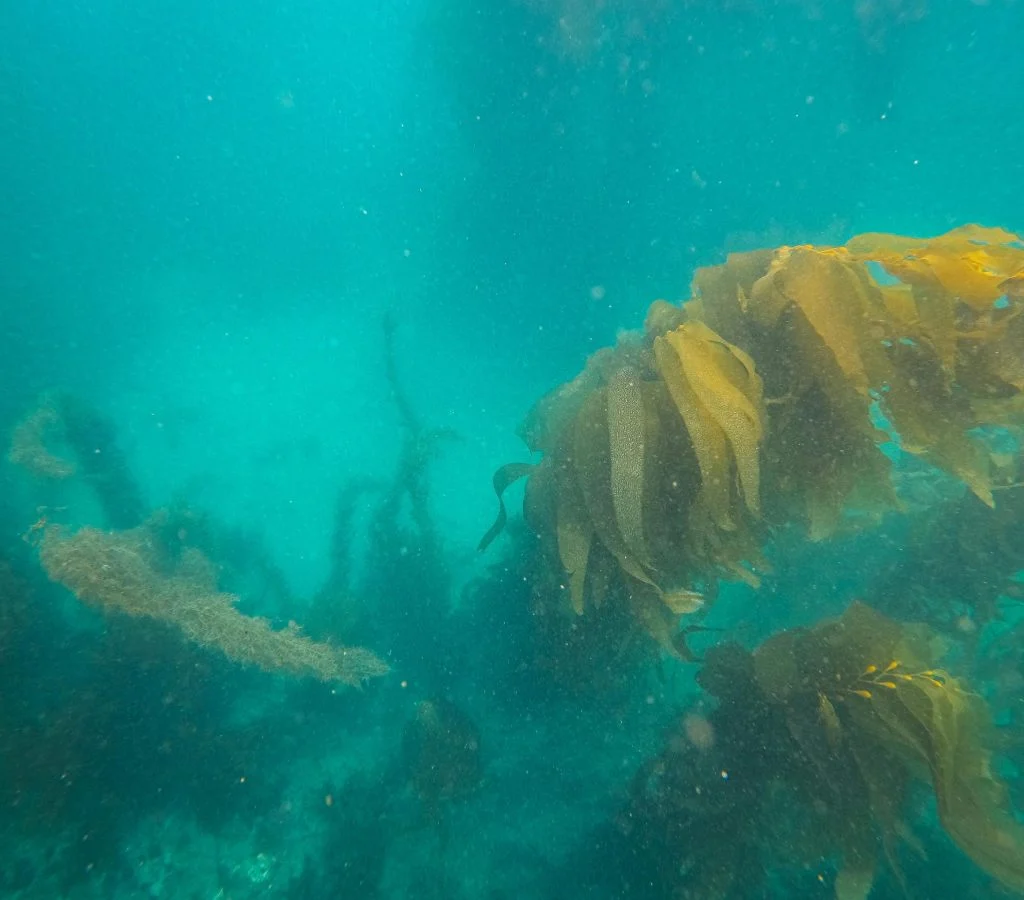
Kelp Forests Support Marine Biodiversity
Kelp forests create shelter, feeding areas, and nursery habitats for many marine species. Fish, invertebrates, seabirds, and marine mammals may all depend on healthy kelp ecosystems.
Marine biodiversity researchers explain that kelp forests also help reduce wave energy and support coastal environmental balance.
Healthy underwater vegetation contributes to stronger marine ecosystems overall.
Sea Otters Use Tools While Feeding
Another fascinating sea otter behavior involves tool use. Wildlife experts explain that sea otters sometimes use rocks to break open shellfish while floating on the water surface.
This behavior demonstrates problem-solving ability and feeding adaptation in marine mammals.
Researchers continue studying how sea otters learn feeding techniques and environmental behavior.
Dense Fur Helps Sea Otters Stay Warm
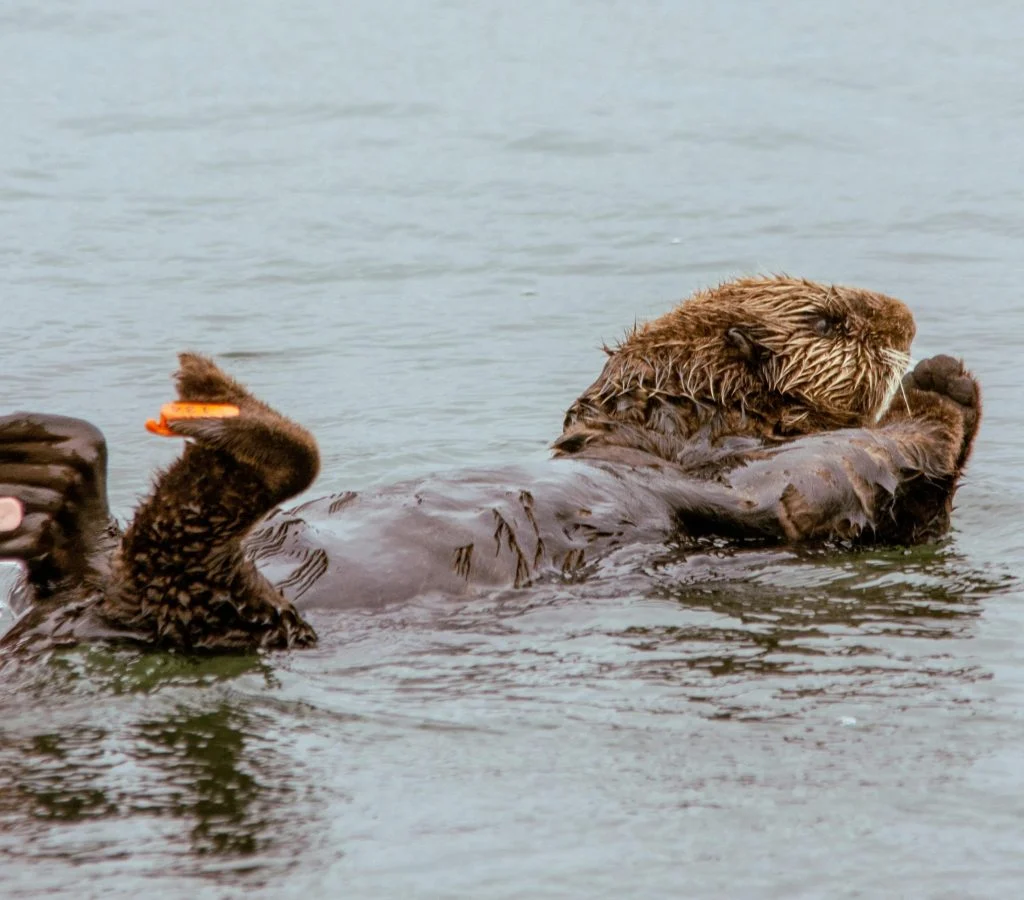
Unlike many marine mammals, sea otters rely mainly on dense fur rather than thick layers of body fat for insulation.
Wildlife researchers explain that sea otter fur traps air close to the body, helping reduce heat loss in cold ocean water.
Regular grooming helps maintain this protective insulation layer.
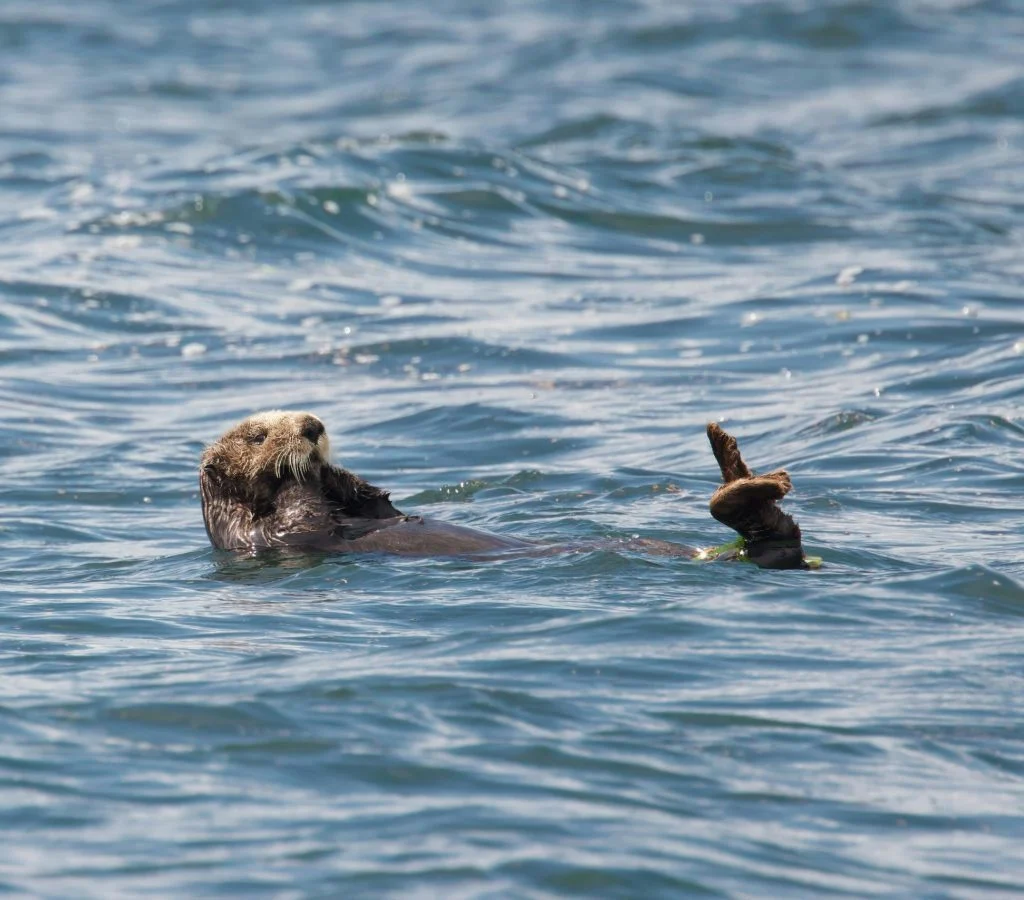
Sea Otters Spend Most of Their Lives in Water
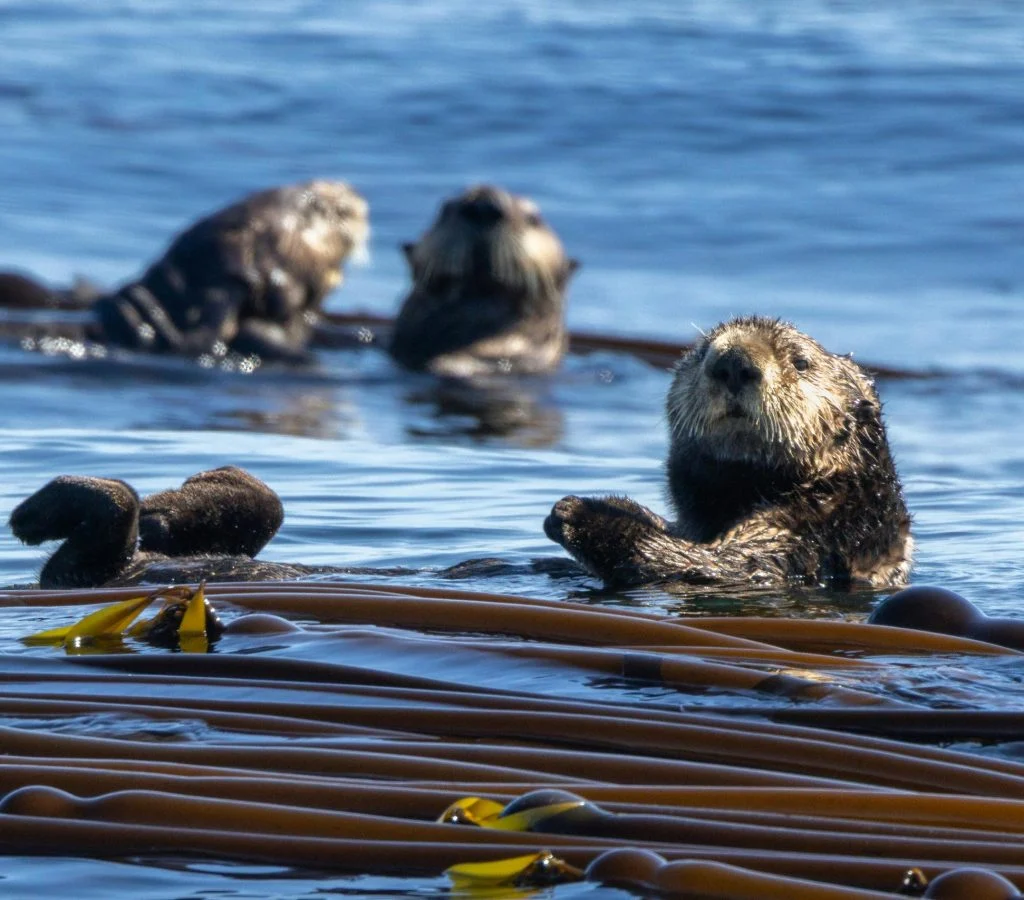
Sea otters are highly adapted to marine environments and spend much of their time floating, feeding, and resting in coastal waters.
Marine experts explain that kelp strands may help anchor resting otters in moving ocean conditions.
These coastal habitats provide food access and environmental protection.
Coastal Ecosystems Face Environmental Challenges
Pollution, habitat degradation, oil spills, and environmental changes can affect coastal marine biodiversity.
Marine conservation organizations continue supporting habitat protection and wildlife monitoring programs along ocean coastlines.
Researchers studying how sea otters help ecosystems emphasize the importance of maintaining healthy coastal habitats and balanced marine food chains.
Conservation Efforts Continue Supporting Sea Otter Populations
Wildlife conservation groups continue monitoring sea otter populations and supporting protected marine habitats in many regions.
Environmental education programs also help increase public awareness about marine ecosystem protection and biodiversity conservation.
Healthy coastal ecosystems benefit both wildlife populations and broader ocean environmental stability.
Frequently Asked Questions
Q: How do sea otters help ecosystems?
A: Sea otters help control sea urchin populations and support healthy kelp forest ecosystems.
Q: Why are kelp forests important?
A: Kelp forests provide shelter, food, and nursery habitats for many marine species.
Q: Do sea otters use tools?
A: Yes. Sea otters sometimes use rocks to break open shellfish while feeding.
Q: How do sea otters stay warm in cold water?
A: Dense fur traps insulating air close to the body and helps reduce heat loss.
Q: What threatens coastal marine ecosystems?
A: Pollution, habitat damage, oil spills, and environmental changes can affect marine ecosystems.
Key Takeaway
Understanding how sea otters help ecosystems highlights the important role marine predators play in maintaining healthy coastal habitats. By controlling sea urchin populations, sea otters support kelp forests that provide shelter and food for countless marine species. Marine researchers and conservation groups continue emphasizing the importance of protecting coastal ecosystems and supporting long-term biodiversity conservation efforts.