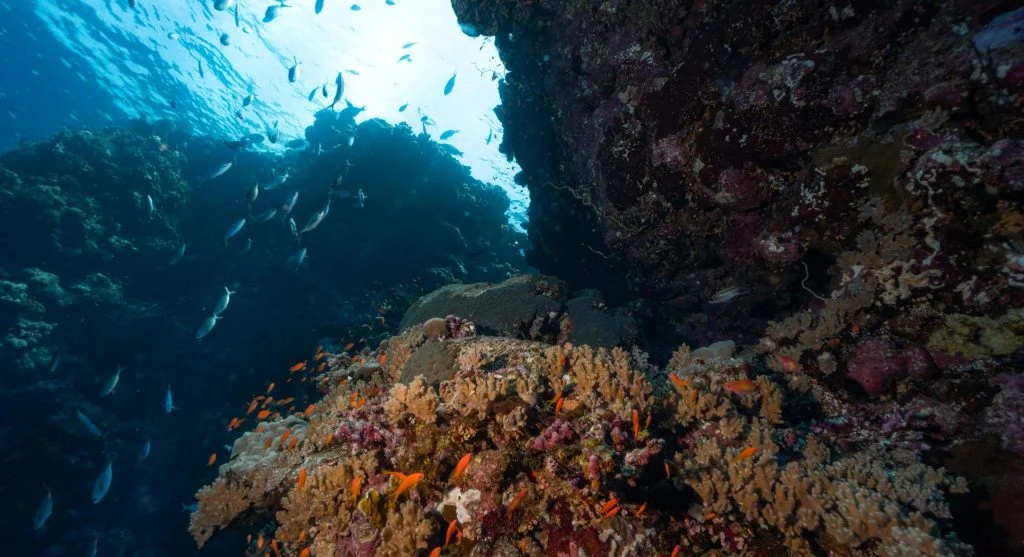
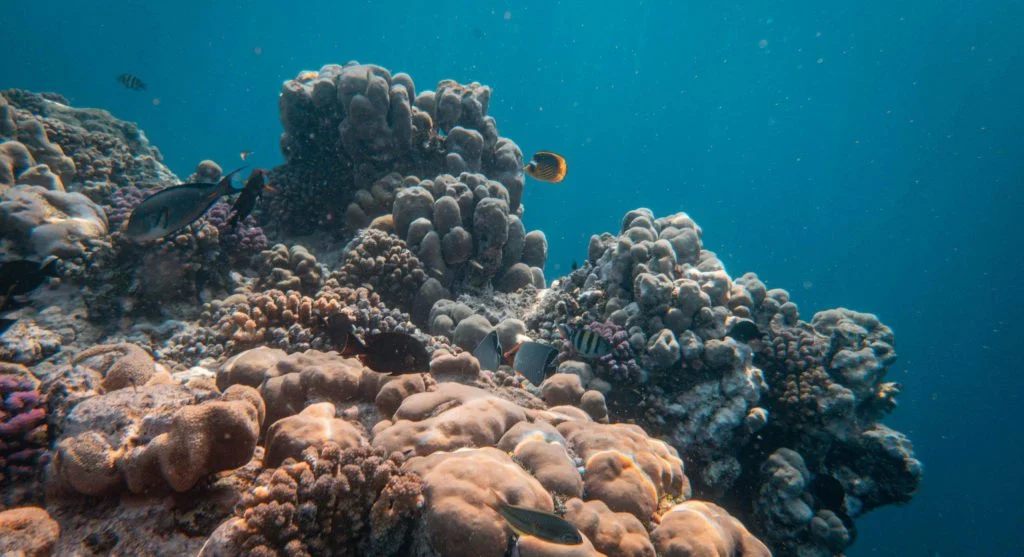
Coral reefs are among the most diverse ecosystems found in ocean environments. These underwater habitats support thousands of marine species while helping maintain healthy coastal ecosystems across tropical and subtropical regions.
Marine researchers studying why coral reefs are important explain that reefs provide shelter, feeding areas, breeding habitats, and environmental protection for many ocean species. Healthy coral reef ecosystems remain essential for marine biodiversity and long-term ocean stability.
Coral Reefs Support Large Numbers of Marine Species
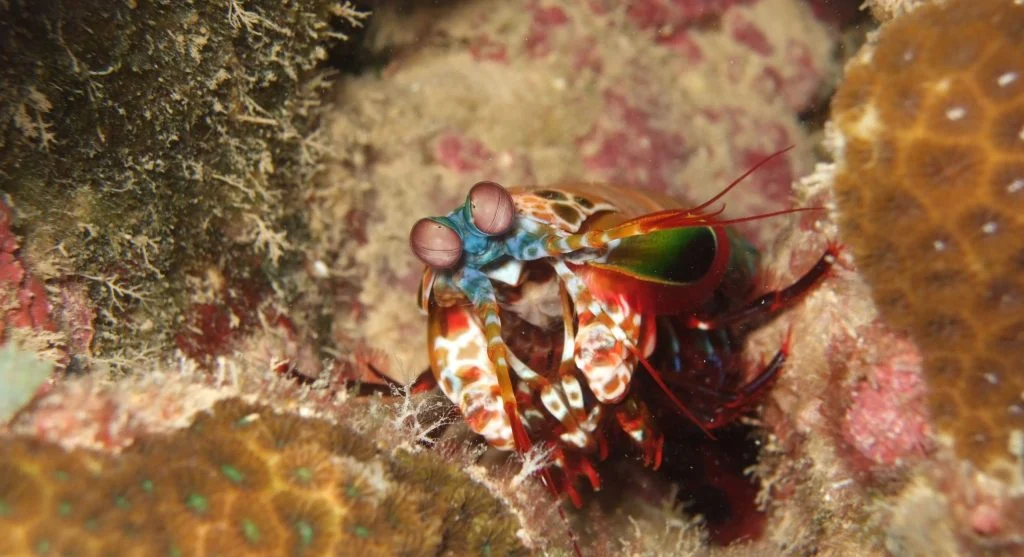
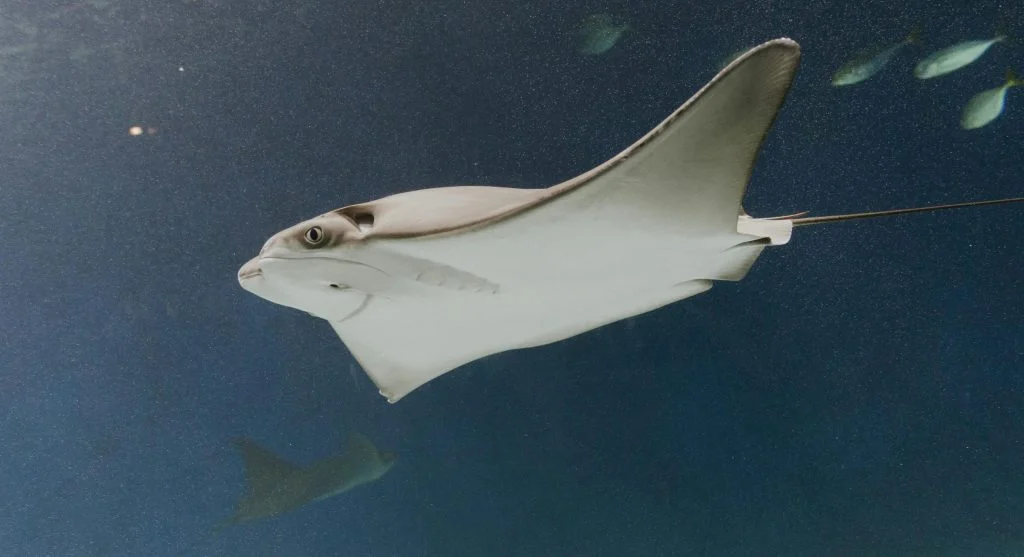
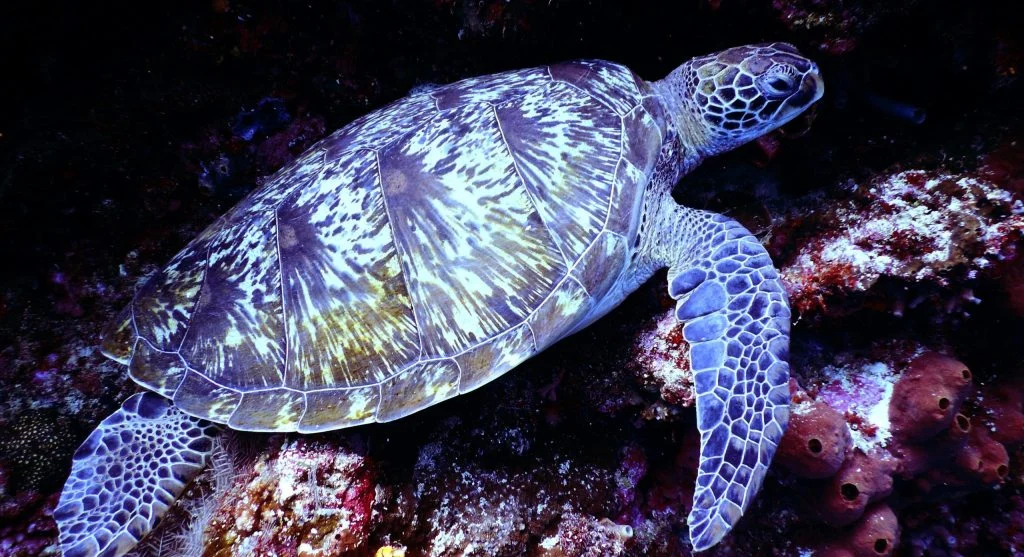
One major reason why coral reefs are important involves biodiversity. Reef ecosystems provide habitat for fish, crustaceans, mollusks, sea turtles, marine mammals, and countless smaller organisms.
Marine experts explain that coral structures create hiding places, feeding zones, and breeding areas for wildlife.
Many species depend heavily on reefs throughout different stages of life.
Coral Reefs Help Protect Coastlines
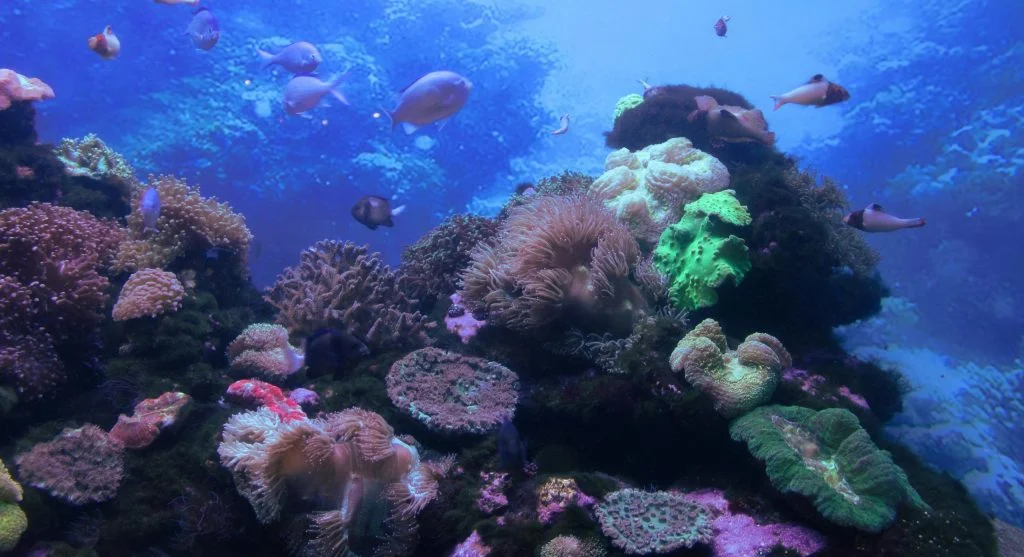
Coral reef systems may help reduce wave energy before it reaches shorelines. Environmental researchers explain that reefs can help decrease erosion and coastal damage during storms.
Healthy coastal ecosystems often depend on stable marine habitat conditions.
Reef protection remains important for both wildlife and coastal environments.
Reefs Provide Important Feeding Areas
Marine wildlife uses coral reefs for feeding opportunities involving algae, plankton, fish, and smaller ocean organisms.
Wildlife researchers explain that complex reef food chains help support balanced marine ecosystems.
Healthy biodiversity depends on functioning predator-prey relationships underwater.
Coral Reefs Support Breeding and Nursery Habitats
Many fish and marine animals rely on reef ecosystems while raising young offspring. Wildlife experts explain that reef structures offer shelter and protection from predators.
Nursery habitats remain important for maintaining stable marine populations.
Researchers continue monitoring reef biodiversity and reproductive behavior.
Water Quality Influences Reef Health
Coral reefs depend on stable ocean conditions involving temperature, sunlight, and water quality. Marine specialists explain that pollution and sediment can affect reef ecosystems negatively.
Healthy marine environments help support coral growth and biodiversity.
Researchers continue studying environmental pressures affecting ocean habitats.
Climate Conditions May Affect Coral Ecosystems
Ocean warming and environmental stress can influence coral reef systems in some regions. Wildlife researchers explain that changing conditions may affect marine biodiversity and reef stability.
Conservation organizations continue supporting reef monitoring and habitat restoration efforts.
Long-term ecosystem protection remains important for healthy oceans.
Marine Conservation Helps Protect Coral Reefs
Protected marine habitats, responsible fishing practices, and pollution reduction programs all contribute to reef conservation efforts.
Researchers studying why coral reefs are important emphasize the need for sustainable ocean management and biodiversity protection.
Healthy reef ecosystems support wildlife populations and broader environmental balance worldwide.
Frequently Asked Questions
Q: Why are coral reefs important for wildlife?
A: Coral reefs provide habitat, feeding areas, and breeding environments for many marine species.
Q: How do coral reefs protect coastlines?
A: Reefs help reduce wave energy and may lower coastal erosion during storms.
Q: Why is biodiversity high around coral reefs?
A: Reef structures create shelter and food opportunities for many marine organisms.
Q: What threatens coral reef ecosystems?
A: Pollution, environmental stress, and ocean warming may affect coral reefs.
Q: Why is coral reef conservation important?
A: Healthy reefs support marine biodiversity and environmental stability.
Key Takeaway
Understanding why coral reefs are important highlights the major role these ecosystems play in supporting marine biodiversity and environmental stability. Coral reefs provide shelter, feeding areas, and breeding habitats for countless ocean species while helping protect coastal environments. Marine researchers and conservation organizations continue emphasizing the importance of protecting reef ecosystems and supporting long-term ocean conservation efforts worldwide.