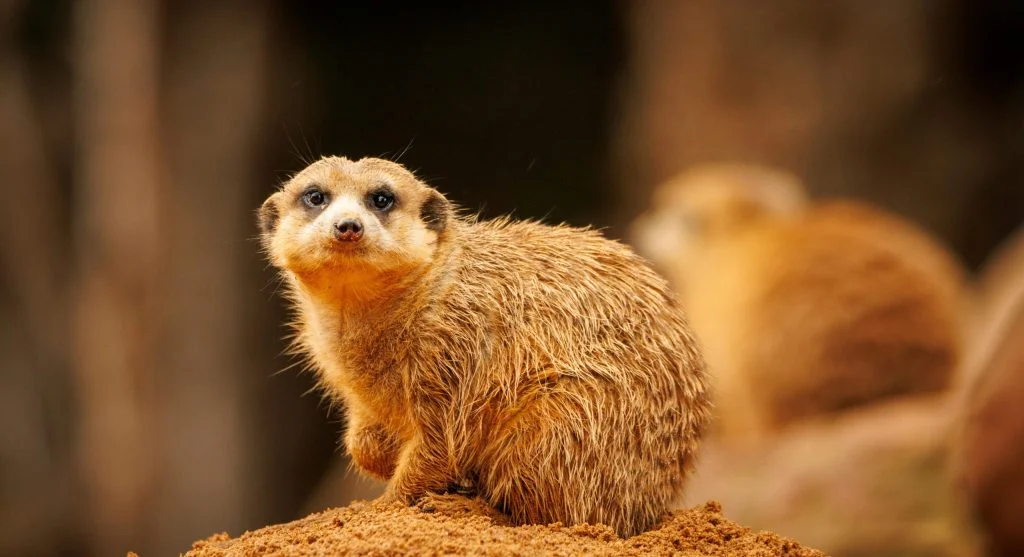
Meerkats are small social mammals living in dry grasslands and desert environments across southern Africa. These animals are known for upright posture, group behavior, and highly organized survival strategies in challenging habitats.
Wildlife researchers studying how meerkats survive explain that cooperation plays an important role in feeding, protection, and caring for young group members. Teamwork helps meerkats manage environmental dangers within harsh desert ecosystems.
Meerkats Live in Organized Social Groups
One major reason how meerkats survive so effectively involves social cooperation. Wildlife experts explain that meerkats usually live in groups called mobs or clans.
Group living helps improve protection against predators and supports coordinated survival behavior.
Researchers studying cooperative animal behavior continue examining how social interaction strengthens desert survival.

Credit: Mike Bird / Pexels
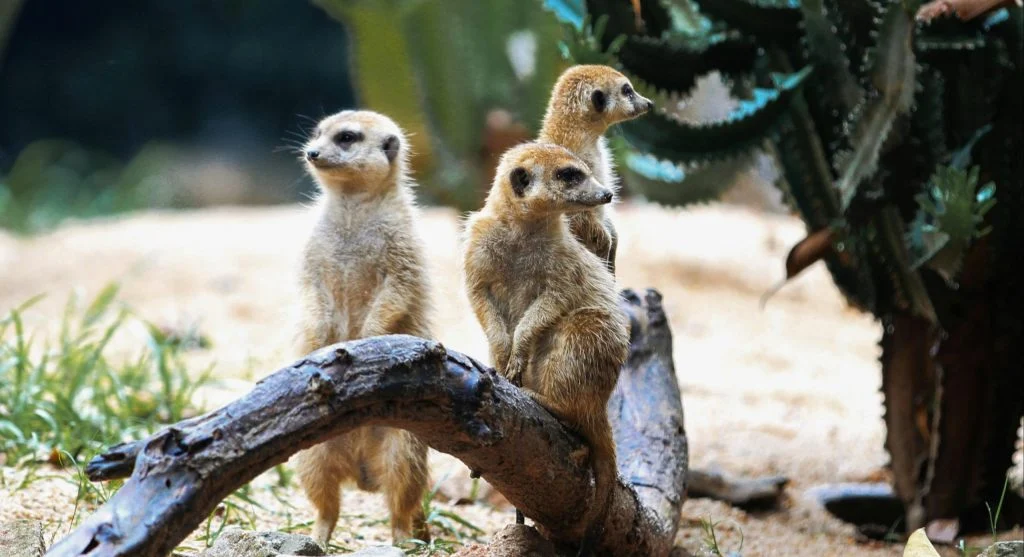
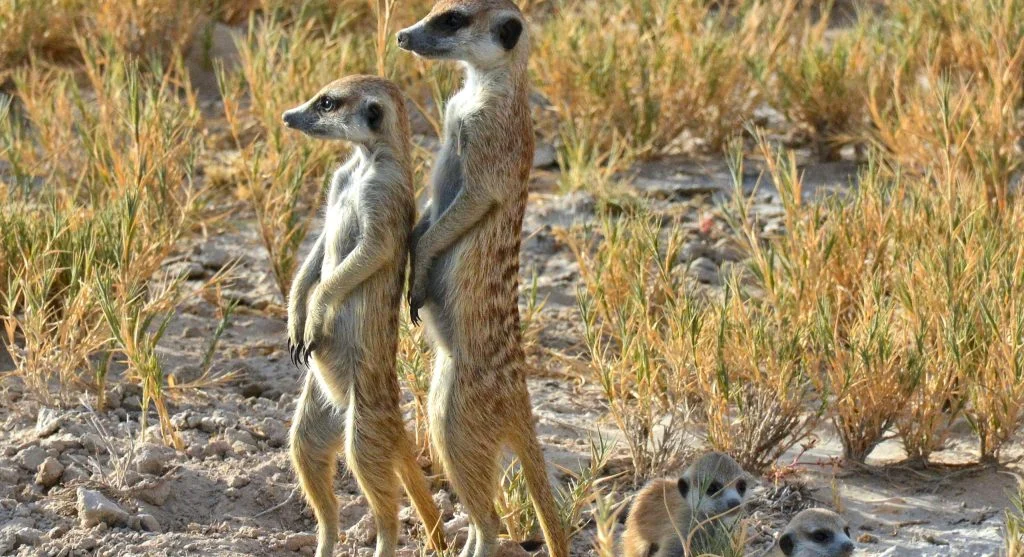
Lookout Behavior Helps Protect the Group
While some meerkats search for food, others may stand guard nearby. Wildlife researchers explain that lookout animals watch for predators such as birds of prey or snakes.
Warning sounds help alert the group when danger approaches.
This communication system improves survival chances within open desert habitats.
Underground Burrows Provide Shelter
Meerkats rely heavily on underground tunnel systems for protection from predators and extreme temperatures.
Wildlife experts explain that burrows remain cooler during hot daytime conditions and warmer during colder nights.
These underground shelters also provide safer areas for resting and raising young animals.
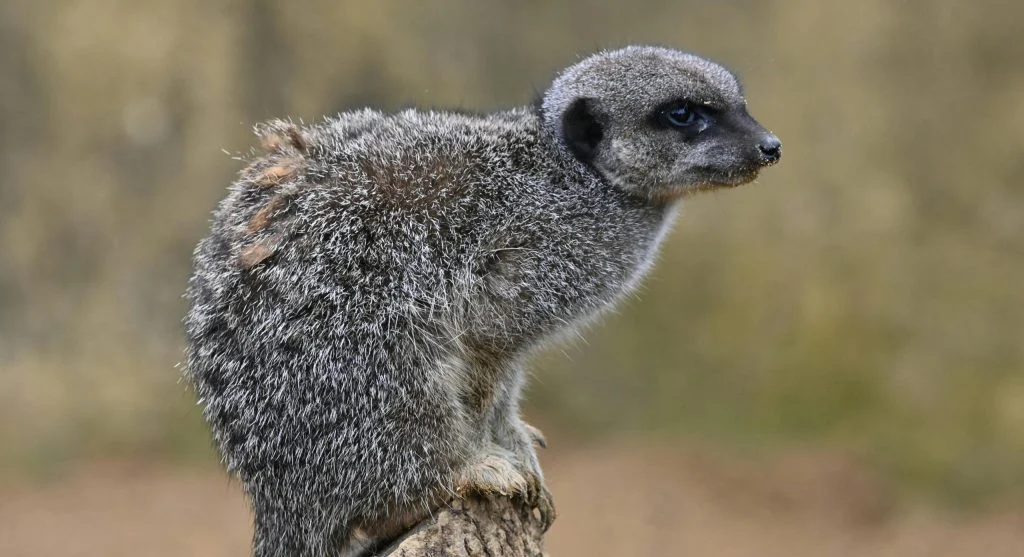
Meerkats Search Constantly for Food
Desert wildlife adaptations often involve efficient food searching behavior. Wildlife researchers explain that meerkats feed on insects, spiders, small reptiles, eggs, and other available food sources.
Strong digging ability helps locate hidden prey beneath sand and soil.
Environmental conditions strongly influence feeding patterns and movement.
Credit: Wayne Jackson / Pexels
Communication Is Important for Survival
Meerkats use vocal sounds and body language to communicate within groups. Wildlife specialists explain that different calls may signal danger, food discovery, or social interaction.
Communication helps coordinate group movement and improve awareness.
Researchers continue studying how social mammals use sound in cooperative environments.
Young Meerkats Learn Through Observation
Adult meerkats often help teach younger animals survival skills involving feeding and environmental awareness.
Wildlife experts explain that learning behavior supports long-term group survival in harsh conditions.
Social learning remains important in many highly cooperative animal species.
Desert Ecosystems Require Specialized Adaptations
Hot temperatures, limited water, and open landscapes create difficult survival conditions for wildlife.
Researchers studying how meerkats survive explain that teamwork, communication, and shelter use all support desert adaptation.
Wildlife conservation groups continue emphasizing the importance of protecting grassland and desert biodiversity.
Credit: Mark de Jong / Pexels
Frequently Asked Questions
Q: How do meerkats survive in deserts?
A: Meerkats survive using teamwork, burrows, communication, and lookout behavior.
Q: Why do meerkats stand upright?
A: Upright posture helps meerkats watch for predators across open habitats.
Q: What do meerkats eat?
A: Meerkats eat insects, spiders, eggs, and small animals found in desert environments.
Q: Why are burrows important for meerkats?
A: Burrows provide shelter from predators and extreme temperatures.
Q: How do meerkats communicate?
A: Meerkats use vocal calls and body language to warn and coordinate with groups.
Key Takeaway
Understanding how meerkats survive highlights the importance of teamwork and communication in harsh desert ecosystems. Cooperative lookout behavior, underground shelters, and social learning all help meerkats manage predators and environmental challenges. Wildlife researchers and conservation organizations continue emphasizing the importance of protecting desert biodiversity and maintaining healthy ecosystems that support social wildlife species.