Bird migration is one of the most impressive natural events in the animal world. Every year, billions of birds travel across countries and continents as seasons change and food sources shift.
Wildlife researchers studying how bird migration works continue discovering new information about navigation, endurance, and environmental conditions that influence seasonal bird travel. These long-distance journeys help many species survive changing weather and breeding cycles throughout the year.
Why Birds Migrate During Seasonal Changes
Many bird species migrate because weather conditions affect food availability and nesting opportunities. During colder months, insects, seeds, fish, and plants may become difficult to find in northern regions.
Wildlife experts explain that moving to warmer locations improves survival chances during winter. When spring returns, many migratory birds travel back to breeding grounds where food becomes more abundant again.
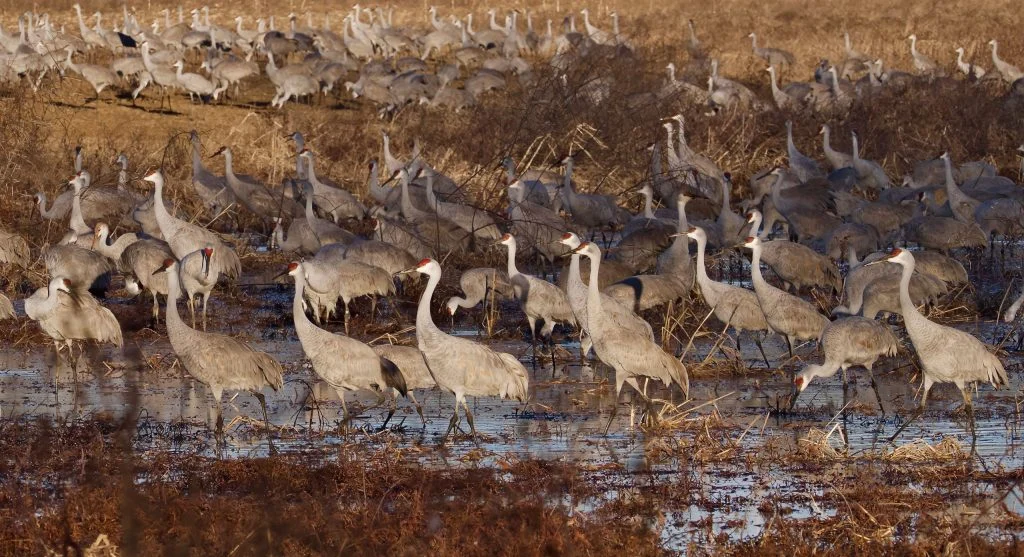
Bird migration patterns vary depending on species, habitat, and environmental conditions. Some birds travel only short distances, while others cross oceans and continents during annual migrations.
Credit: Veronika Andrews / Pexels
How Birds Navigate Across Long Distances
Researchers continue studying how migratory birds travel thousands of miles with remarkable accuracy. Many scientists believe birds use several navigation methods during migration.
According to wildlife biologists, birds may rely on the sun, stars, landscape features, and Earth’s magnetic field while traveling. Some species also appear to remember important routes from previous migrations.
Young birds sometimes migrate successfully even without traveling alongside older birds, which continues fascinating animal behavior researchers.
Weather Conditions Affect Bird Migration Patterns
Wind direction, storms, temperature, and seasonal weather changes all influence migration timing and travel routes. Favorable tailwinds may help birds conserve energy during long flights.
Wildlife specialists explain that severe storms or sudden temperature drops can delay migration or force birds to stop earlier than expected.
Environmental researchers also note that climate conditions may gradually influence traditional migration schedules in some species.
Some Birds Travel Incredible Distances Each Year
Certain migratory birds complete journeys that rank among the longest animal migrations on Earth. Arctic terns, for example, travel between Arctic breeding grounds and Antarctic waters each year.
Other migratory birds may cross deserts, oceans, mountain ranges, and large forests during seasonal movements. Wildlife tracking studies continue revealing new migration routes and stopover locations.
Experts studying migratory birds explain that resting and feeding areas are extremely important during these demanding journeys.
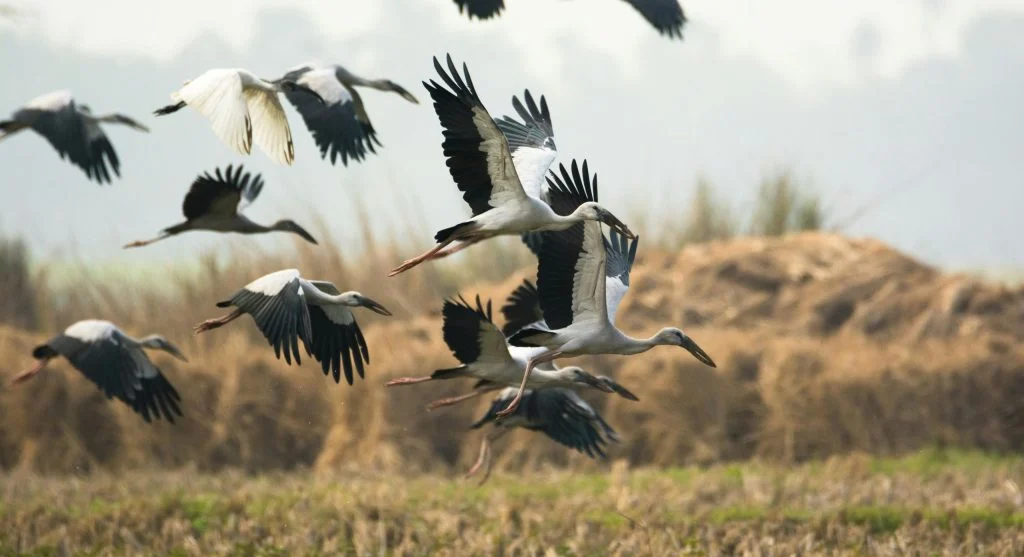
Credit: Soumadeep Das / Pexels
Wetlands and Forests Support Migratory Birds
Healthy ecosystems provide food, shelter, and resting areas for migratory birds throughout their journeys. Wetlands, forests, coastlines, and grasslands all play important roles in migration survival.
Conservation experts explain that habitat destruction can make migration more difficult by removing safe feeding and resting locations.
Protecting these natural environments remains an important part of international bird conservation efforts.
Bird Migration Often Happens at Night
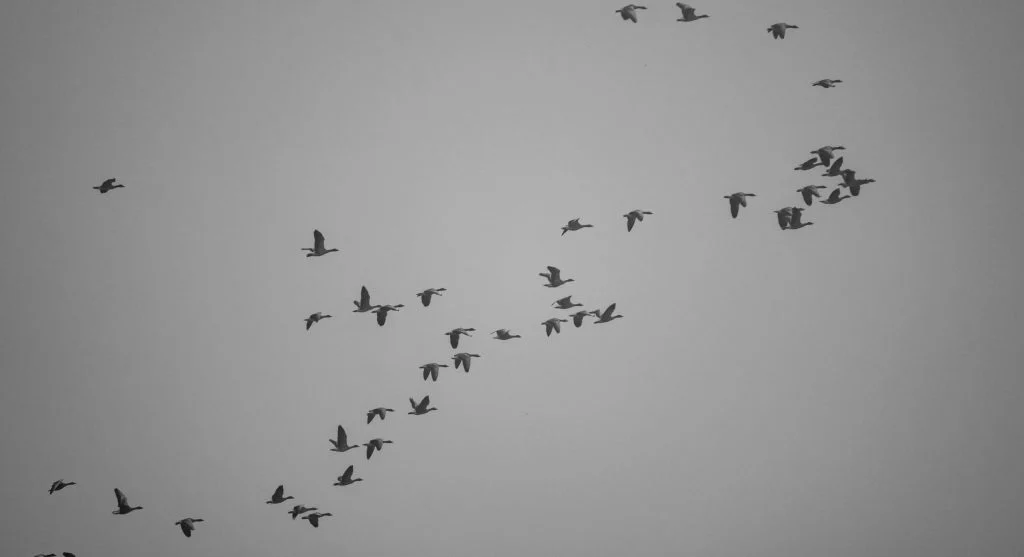
Many migratory birds travel during nighttime hours. Wildlife researchers believe cooler temperatures and calmer air conditions may help birds conserve energy during long flights.
Night migration may also reduce exposure to predators and overheating during warmer seasons. Scientists tracking migration activity often use radar systems and audio recordings to monitor nighttime movement.
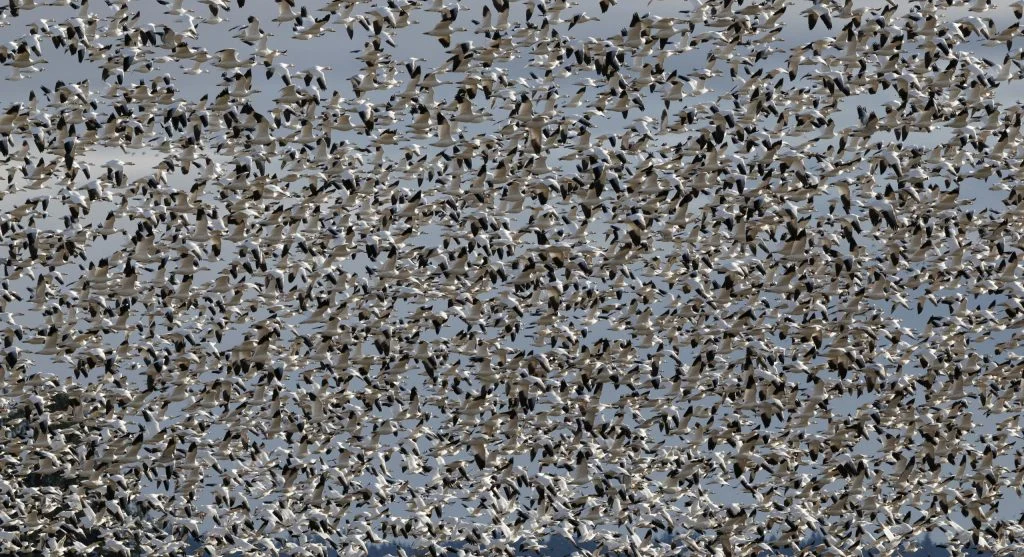
Seasonal bird travel can become especially active during spring and autumn migration periods.
Artificial Lights Can Disrupt Bird Migration
Bright city lights and tall illuminated buildings may confuse migratory birds during nighttime travel. Some birds become disoriented and may collide with windows or structures.
Bird conservation organizations encourage reduced lighting during major migration periods to help protect vulnerable species.
Wildlife researchers also continue studying how urban development affects traditional migration pathways.

Credit: Yalçın UZUN / Pexels
Frequently Asked Questions
Q: Why do birds migrate?
A: Birds migrate to find better food sources, warmer temperatures, and safer breeding conditions during different seasons.
Q: How do birds know where to migrate?
A: Researchers believe birds use the sun, stars, Earth’s magnetic field, and environmental landmarks for navigation.
Q: Do all birds migrate?
A: No. Some bird species remain in the same region year-round, while others complete long seasonal journeys.
Q: Why do many birds migrate at night?
A: Cooler temperatures, calmer air, and reduced predator activity may help birds travel more efficiently at night.
Q: How can people help migratory birds?
A: Protecting habitats, reducing outdoor lighting during migration seasons, and supporting conservation efforts can help migratory birds.
Key Takeaway
Understanding how bird migration works helps explain one of nature’s most remarkable seasonal events. Migratory birds travel long distances using advanced navigation abilities while relying on healthy ecosystems for rest and survival. Wildlife researchers continue studying migration patterns to better protect important habitats and support bird conservation efforts around the world.