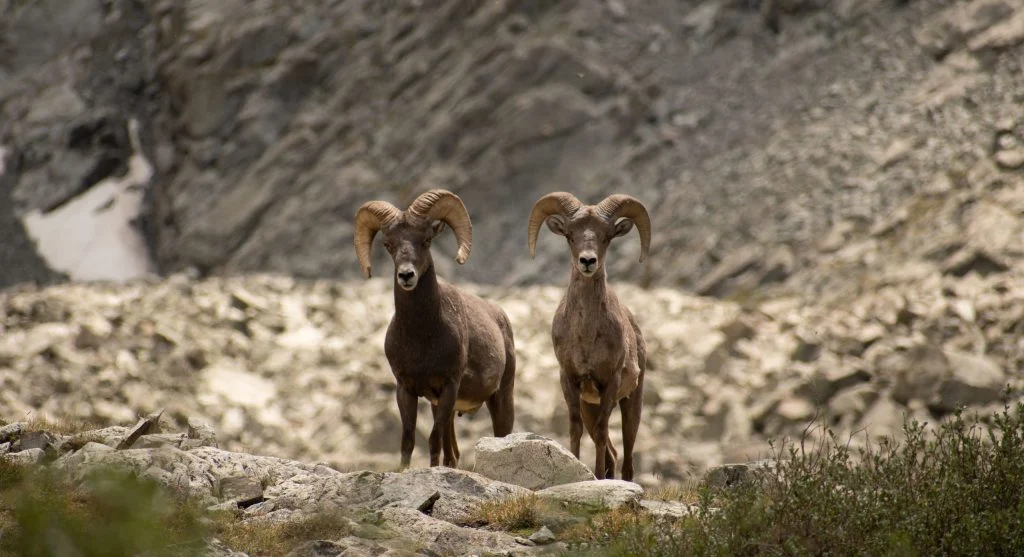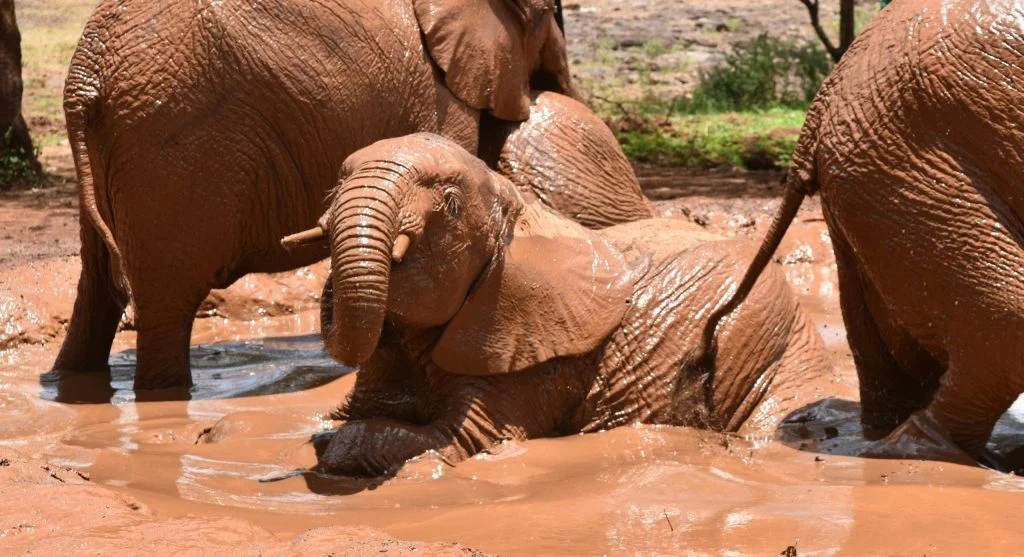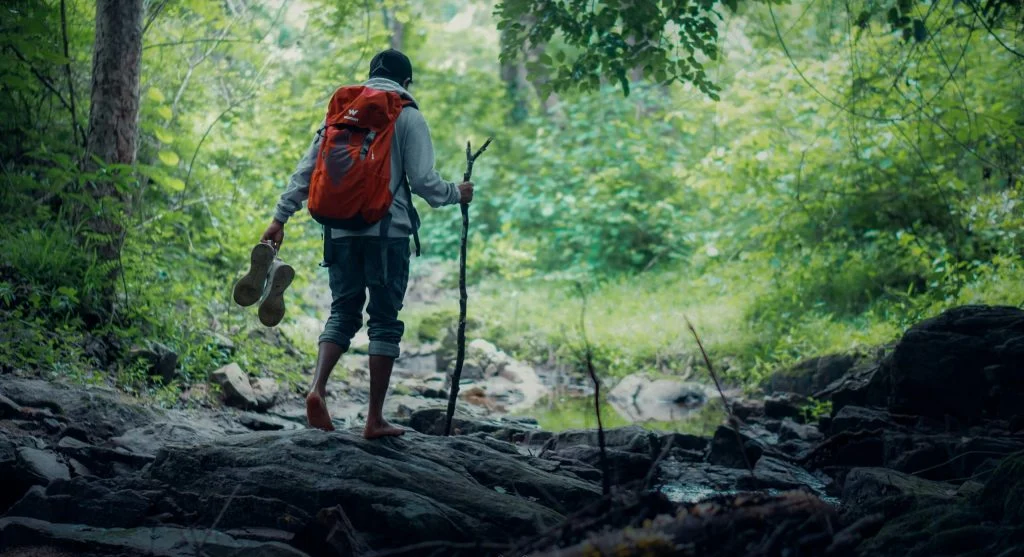
Spring is one of the busiest times for hiking trails, national parks, and outdoor recreation areas. Warmer temperatures and longer daylight hours encourage more people to explore forests, mountains, wetlands, and wildlife habitats.
Wildlife experts explain that spring also brings increased animal activity as many species search for food, establish territory, and raise young offspring. Following proper spring hiking safety tips can help visitors enjoy outdoor experiences while reducing risks for both hikers and wildlife.
Why Spring Brings Increased Wildlife Activity
Many animals become more active during spring because winter conditions begin fading and food sources become easier to find. Birds return during migration, mammals search for feeding areas, and many species begin breeding or nesting seasons.
According to wildlife biologists, spring is a sensitive period for animals because young offspring may be nearby. Hikers who accidentally disturb nesting areas or hidden dens can create stress for wildlife populations.
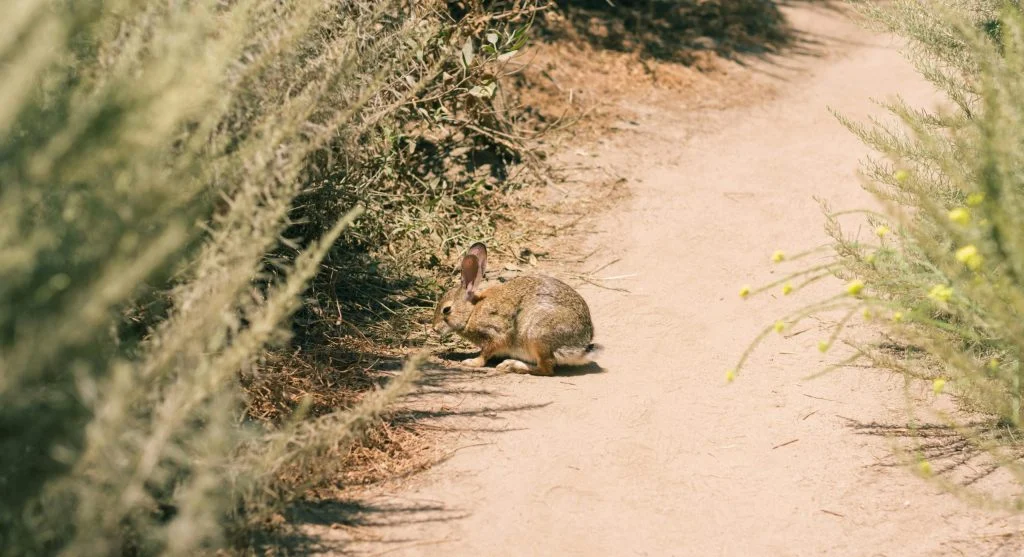
Seasonal wildlife activity often increases near rivers, forest edges, wetlands, and mountain trails where animals search for food and shelter.
Credit: Eunjin Baek / Pexels
Stay on Marked Trails During Outdoor Adventures
Wildlife trail safety experts strongly recommend staying on official hiking paths whenever possible. Marked trails help reduce damage to fragile habitats while lowering the chance of unexpected wildlife encounters.
Leaving established trails may disturb nesting birds, hidden dens, or protected vegetation areas. Some animals rely on camouflage, making them difficult to notice until hikers are very close.
Park rangers also explain that marked trails are usually monitored for seasonal hazards such as flooding, unstable ground, or increased wildlife activity.
Carry Essential Hiking Safety Supplies
Outdoor hiking guides often encourage visitors to prepare carefully before entering nature areas. Spring weather can change quickly, especially in mountain or forest environments.
Experts recommend carrying water, snacks, maps, weather-appropriate clothing, sunscreen, and a small first-aid kit. Binoculars may also help hikers observe wildlife from safer distances.
Wildlife specialists note that preparation becomes especially important during longer hikes where cell phone coverage may be limited.
Give Wild Animals Plenty of Space
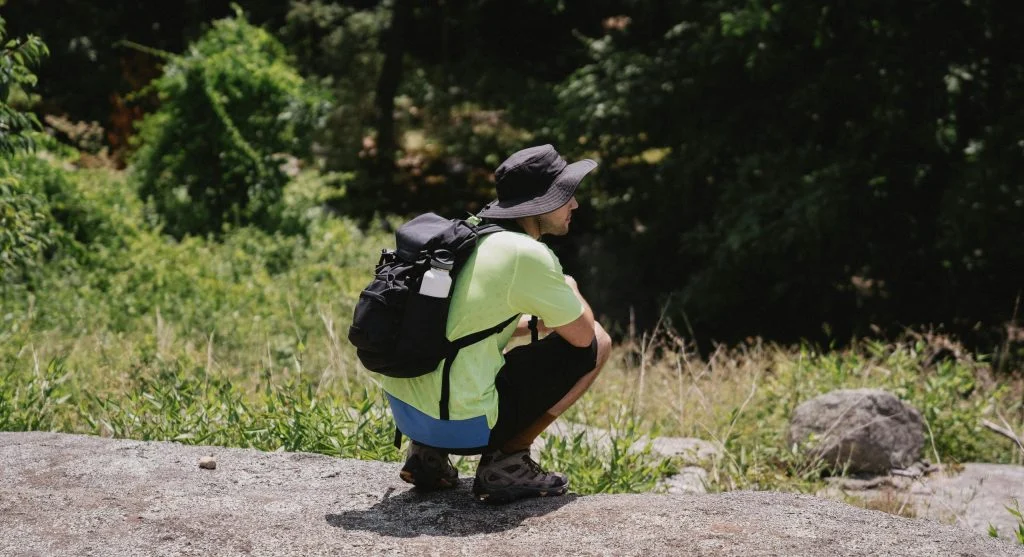
One of the most important spring hiking safety tips involves respecting animal space. Spring is a sensitive season for many species because young animals may be hidden nearby.
Wildlife experts explain that animals protecting offspring may react defensively if people move too close. Even smaller animals can become aggressive when they feel threatened.
If hikers notice warning behaviors such as growling, hissing, stomping, or defensive movements, conservation specialists recommend calmly backing away and leaving the area.
Credit: Katya Wolf / Pexels
Weather Conditions Can Change Quickly in Spring
Spring weather may appear calm early in the day before rapidly changing during the afternoon. Rainstorms, strong winds, and temperature drops are common in many outdoor environments.
Outdoor safety researchers recommend checking weather forecasts before beginning hikes and remaining alert for changing conditions during trips.
Wet trails may also become slippery or unstable, especially near rivers, waterfalls, or mountain paths.
Keep Food Secure Around Wildlife Areas
Food smells can attract wildlife to hiking trails, picnic areas, and campsites. Outdoor wildlife experts recommend storing food carefully and packing out all trash after hikes.
Feeding wildlife intentionally or accidentally may change animal behavior and increase dangerous encounters between people and animals.
Conservation organizations continue encouraging visitors to follow “leave no trace” practices to protect natural ecosystems.
Spring Bird Nesting Areas Need Extra Protection
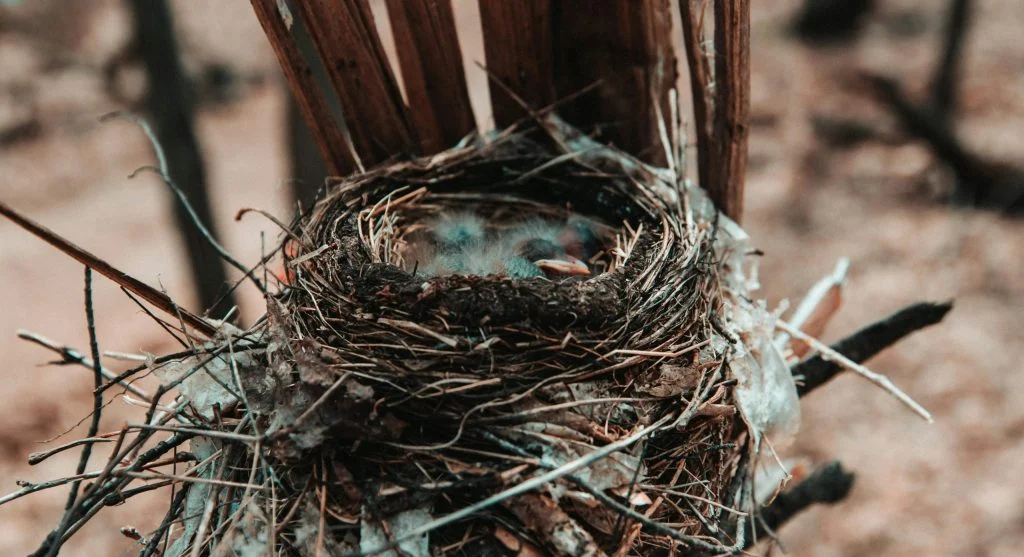
Many bird species begin nesting during spring months, often near trails, wetlands, forests, or coastal areas. Wildlife researchers explain that repeated disturbance near nests may cause birds to abandon important nesting sites.
Hikers are encouraged to observe birds quietly and avoid touching nests or young birds. Pets should also remain under control near wildlife habitats.
According to bird conservation specialists, responsible trail behavior helps protect breeding success during critical nesting periods.
Credit: CocaKolaLips / Pexels
Frequently Asked Questions
Q: Why is spring a busy season for wildlife?
A: Many animals become more active during spring because of migration, breeding, feeding, and nesting activity.
Q: What should hikers carry during spring hikes?
A: Outdoor experts recommend carrying water, snacks, maps, weather-appropriate clothing, and a first-aid kit.
Q: Why should hikers stay on marked trails?
A: Marked trails help protect habitats, reduce environmental damage, and lower the risk of dangerous wildlife encounters.
Q: Is it safe to approach baby animals during hikes?
A: Wildlife specialists recommend avoiding close contact with young animals because parents may be nearby and become defensive.
Q: Why is food storage important on hiking trails?
A: Food smells may attract wildlife and increase unsafe interactions between animals and visitors.
Key Takeaway
Following spring hiking safety tips helps visitors enjoy outdoor adventures while protecting wildlife and natural habitats. Staying on trails, respecting animal space, preparing for weather changes, and securing food properly all support safer hiking experiences. Wildlife experts continue encouraging responsible outdoor behavior during spring because the season is especially important for nesting, migration, and young animal survival.