Manta rays are among the largest fish species living in tropical and subtropical ocean ecosystems. These marine animals are recognized for wide triangular fins, smooth gliding movement, and peaceful feeding behavior within open ocean and coastal habitats.
Marine researchers studying how manta rays swim explain that specialized body structure and efficient movement patterns help these animals travel long distances through marine ecosystems. Manta rays remain important contributors to ocean biodiversity and marine wildlife research.
Large Pectoral Fins Help Manta Rays Glide Efficiently
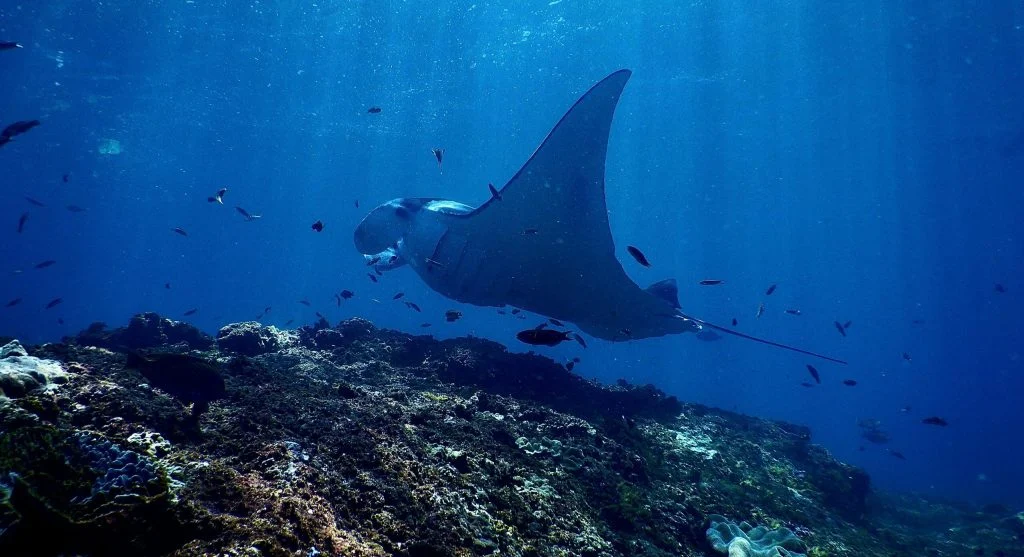
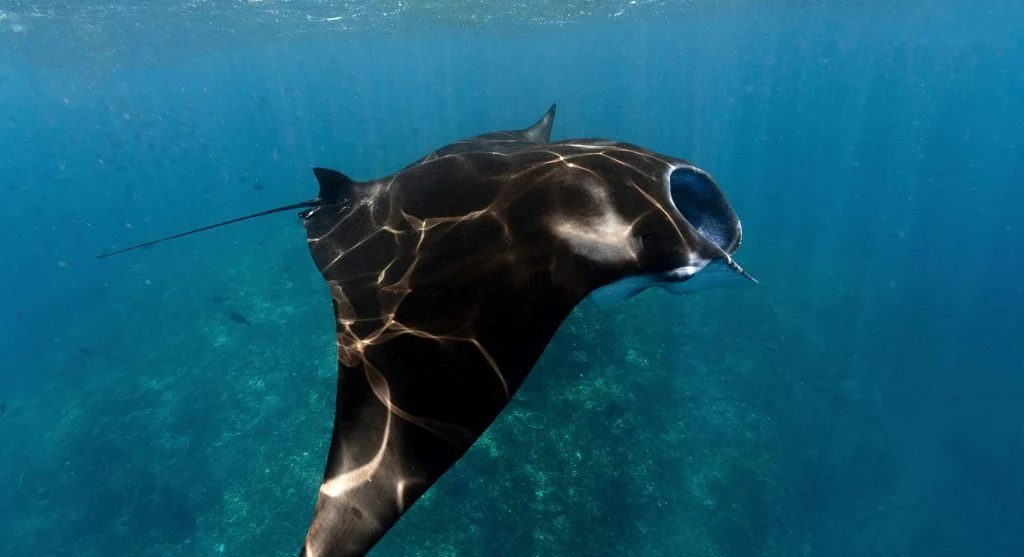
One major reason how manta rays swim so smoothly involves their enormous wing-like pectoral fins. Marine experts explain that slow fin movement creates efficient forward motion through water.
This gliding behavior helps conserve energy during long-distance travel.
Ocean wildlife adaptations often support efficient movement across large habitats.
Manta Rays Feed on Tiny Ocean Organisms
Despite their large size, manta rays commonly feed on plankton and very small marine organisms.
Marine researchers explain that manta rays filter food from ocean water while swimming with open mouths.
Feeding behavior often occurs in nutrient-rich marine habitats.
Some Manta Rays Travel Long Distances
Researchers tracking marine wildlife behavior explain that manta rays may travel across wide ocean regions during seasonal movement patterns.
Ocean currents and food availability may influence movement routes.
Large marine animals often depend on connected ocean ecosystems.
Manta Rays Are Known for Curious Behavior
Marine wildlife experts explain that manta rays sometimes approach divers or swim near boats without aggressive behavior.
Researchers continue studying intelligence and social interaction in large marine animals.
Behavior patterns vary depending on species and environmental conditions.
Warm Oceans Support Manta Ray Habitats
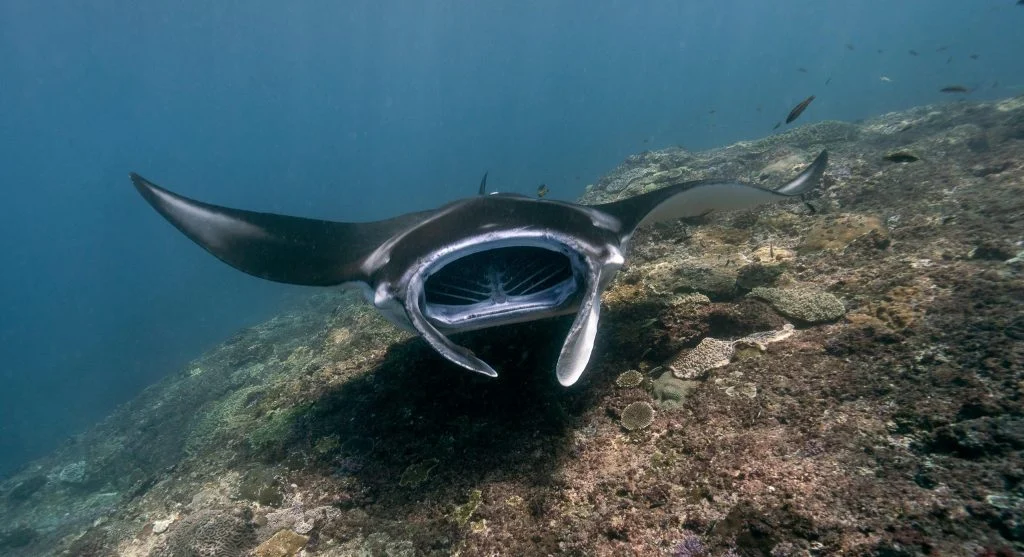
Manta rays are commonly found in tropical and subtropical waters where ocean temperatures support plankton growth.
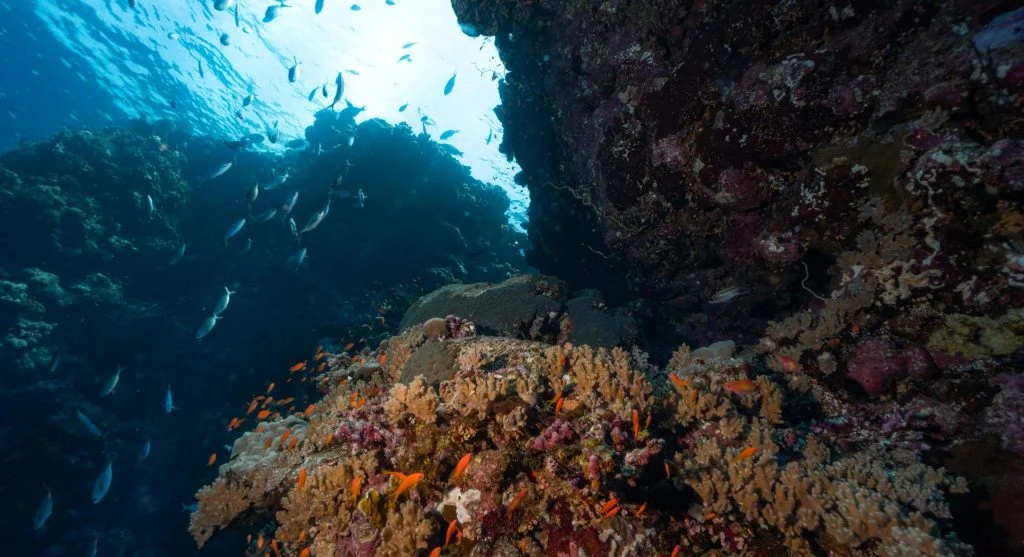
Marine specialists explain that healthy coral reefs and coastal ecosystems may also support feeding activity.
Environmental conditions strongly influence marine biodiversity patterns.
Ocean Pollution May Affect Marine Wildlife
Pollution, habitat degradation, and environmental changes may affect marine ecosystems and large ocean animals.
Researchers continue monitoring ocean biodiversity and marine habitat conditions worldwide.
Healthy ecosystems remain important for long-term wildlife stability.
Marine Conservation Supports Biodiversity Protection
Conservation organizations continue supporting marine protected areas, biodiversity monitoring, and ocean research programs.
Researchers studying how manta rays swim emphasize the importance of protecting connected marine ecosystems and healthy ocean habitats.
Long-term conservation efforts remain important for marine wildlife populations worldwide.
Frequently Asked Questions
Q: How do manta rays swim so efficiently?
A: Large pectoral fins help manta rays glide smoothly through water while conserving energy.
Q: What do manta rays eat?
A: Manta rays mainly feed on plankton and tiny marine organisms.
Q: Are manta rays dangerous to humans?
A: Manta rays are generally peaceful animals without aggressive behavior toward people.
Q: Where do manta rays live?
A: Manta rays commonly inhabit tropical and subtropical ocean ecosystems.
Q: Why is marine conservation important for manta rays?
A: Healthy marine ecosystems support feeding habitats and biodiversity protection.
Key Takeaway
Understanding how manta rays swim highlights the remarkable adaptations supporting survival in large ocean ecosystems. Efficient gliding movement, plankton feeding behavior, and long-distance travel all contribute to manta ray success within marine habitats. Marine researchers and conservation organizations continue emphasizing the importance of protecting ocean biodiversity and maintaining healthy marine ecosystems for wildlife populations worldwide.