Few wild animals reshape their surroundings as dramatically as beavers. Many species adapt to the places where they live, but beavers go further. They actively change rivers, streams, wetlands, and wooded waterways to create the conditions they need to survive.
Their dams can slow the movement of water, form ponds, expand wetland habitat, support wildlife, and even help some landscapes hold water during dry periods. What may look like a messy pile of sticks is actually a carefully built structure with a clear purpose.
Researchers studying why beavers build dams explain that these animals do not build randomly. Branches, stones, mud, leaves, and grasses all help slow water and strengthen the structure. By creating deeper ponds, beavers protect themselves from predators, gain better access to food, and build safer places to raise their young.
Because their work changes entire habitats, scientists often call beavers ecosystem engineers. Their construction benefits not only their own families, but also many other plants and animals that depend on freshwater wildlife habitats.
Who Are Beavers?
Beavers are among the largest rodents in the world. They live across North America, Europe, and parts of Asia, usually in areas with reliable freshwater.
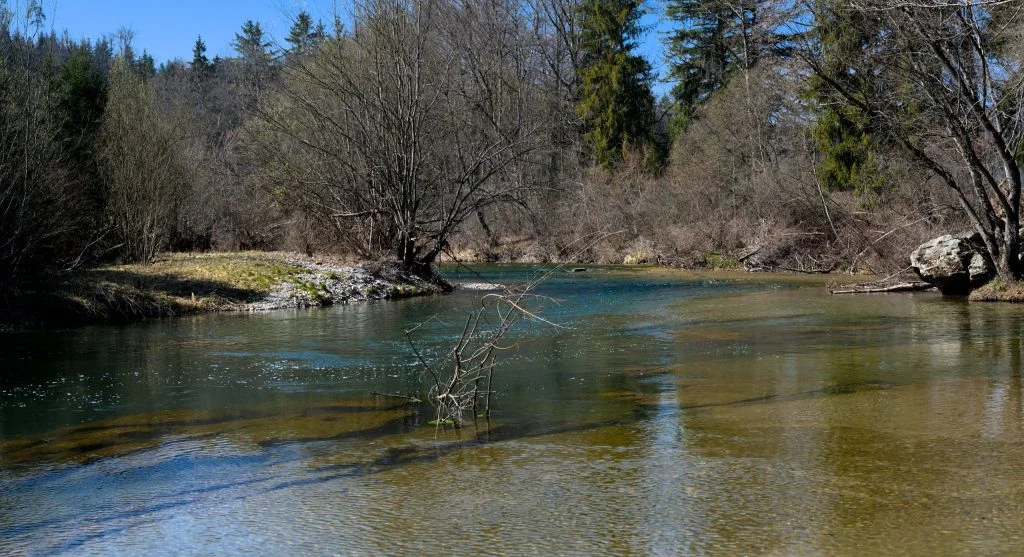
They spend much of their lives near rivers, lakes, streams, ponds, and wetlands. Water is central to how they move, feed, build, and avoid danger.
Beavers have several physical features that make them well suited to this lifestyle. Their webbed hind feet help them swim powerfully through water. Their thick waterproof fur keeps them warm and dry. Their broad, flat tails help with balance, swimming, communication, and storing fat.
They also have strong front teeth that allow them to cut trees and branches. These adaptations make it possible for beavers to gather building materials, move wood through water, and construct complex dams and lodges.
Their bodies are built for aquatic life, and their behavior reflects that. Nearly everything they do is connected to creating a safer and more useful watery environment.
Why Do Beavers Build Dams?
The main reason beavers build dams is to create deeper, slower-moving water. This deeper water gives them protection and makes their habitat more suitable for daily life.
Predators such as wolves, bears, coyotes, foxes, and large cats can threaten beavers on land. In water, however, beavers are much safer. If danger approaches, they can dive quickly and swim toward their lodge.
Without a deep pond, escape becomes harder. Shallow water offers less protection and makes it easier for predators to reach them.
By building dams, beavers create the kind of environment they need. The dam slows flowing water, raises the water level, and forms a pond around the lodge. This gives beavers safer movement, better access to food, and a protected place for their family.
These beaver dam facts show that dam-building is not just construction behavior. It is a survival strategy.
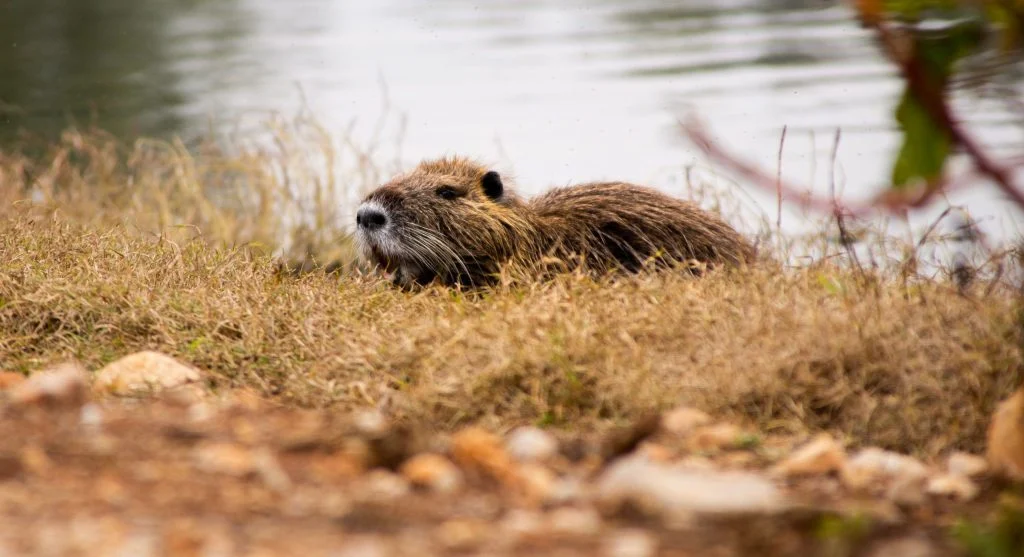
Powerful Teeth Make Construction Possible
Beavers are well known for their strong orange front teeth. These teeth are essential tools for their engineering work.
Researchers explain that beaver incisors grow continuously throughout their lives. The outer enamel is hard and durable, allowing them to cut through tree trunks, branches, and woody stems.
Because the teeth never stop growing, beavers must keep chewing to wear them down to the right length. This constant chewing is not only useful for feeding, but also for gathering building material.
With these powerful teeth, beavers can harvest branches and logs for dams, lodges, and underwater food storage. Without this specialized dental structure, their construction projects would not be possible.
Branches and Mud Form Strong Structures
After cutting branches, beavers drag or float them into the water. Construction usually begins with larger sticks and logs placed across flowing water.
Once the first materials are in place, beavers add smaller branches, mud, stones, grasses, and leaves. These materials fill gaps and help strengthen the dam.
Over time, the structure becomes more stable. As water slows behind it, the pond begins to deepen and spread. Beavers continue adding material as needed, especially after storms, heavy rain, or rising water.
Some dams can eventually stretch for hundreds of feet. This makes them some of the largest structures built by any non-human animal.
Maintenance is a constant part of beaver life. A dam is not built once and forgotten. Beavers regularly inspect, repair, and reinforce it to keep their pond secure.
Beaver Lodges Are Built for Safety
The dam is only one part of the beaver’s survival system. Beavers also build lodges where they rest, sleep, stay warm, and raise their young.
These lodges are usually made from sticks, branches, mud, and plant material. From the outside, they may look like large piles of wood, but inside they contain a protected living chamber.
Researchers explain that lodge entrances are often underwater. This design makes it much harder for predators to enter. A beaver can swim into the lodge safely while land predators remain outside.
The main living space inside the lodge stays above the waterline. This gives the animals a dry, sheltered area protected from flooding and cold weather.
Together, the dam and lodge create a secure habitat. The dam forms the pond, and the lodge provides the safe home within it.
Deep Water Makes Winter Easier
Winter can be difficult for freshwater wildlife, especially in colder regions where ponds and streams may freeze at the surface.
Beavers do not hibernate. Instead, they remain active throughout winter, using the water beneath the ice to move between their lodge and food stores.
Before winter arrives, beavers often store branches underwater near their lodge. These food caches provide a reliable supply when snow and ice cover the landscape.
Deep water is important because it remains accessible below the frozen surface. If the pond were too shallow, beavers would have a harder time moving safely and reaching stored food.
This is another reason dams matter so much. By creating deeper ponds, beavers improve their chances of surviving winter.
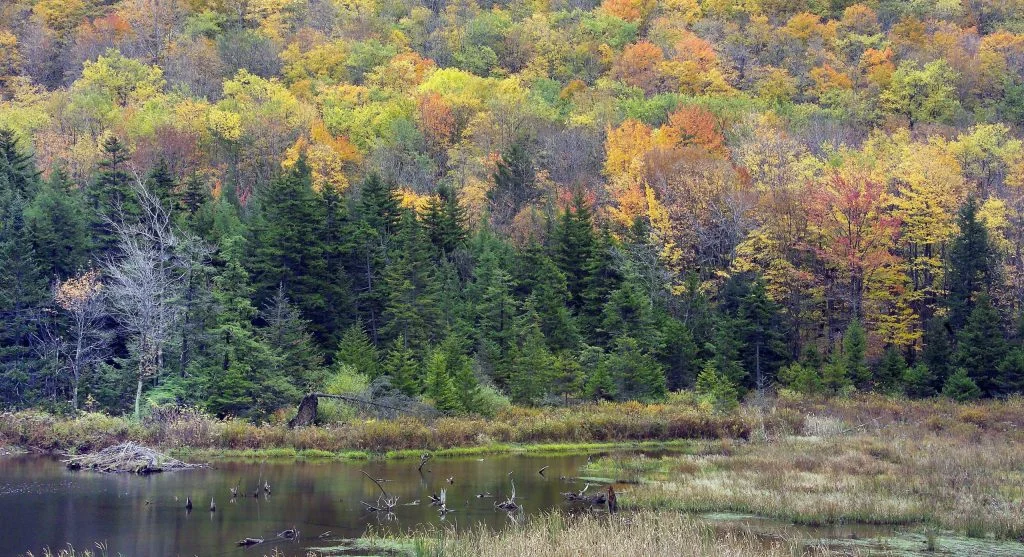
Beaver Dams Create Wetlands
One of the biggest impacts of beaver activity is wetland creation. When a dam slows flowing water, the water spreads into nearby low areas and forms ponds, marshy edges, and wet soils.
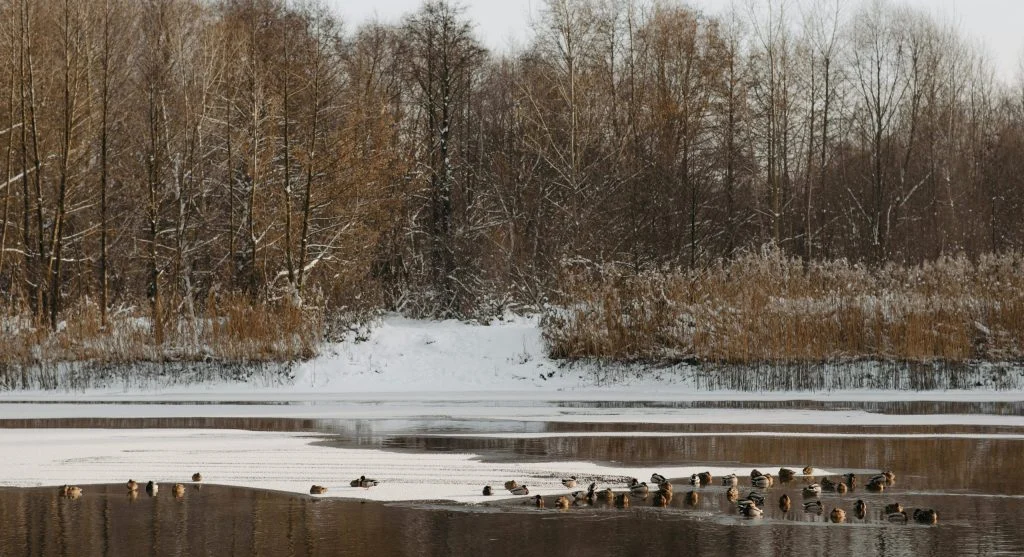
These new wetlands provide habitat for frogs, salamanders, turtles, fish, ducks, herons, dragonflies, insects, and many other organisms.
Moisture-loving plants quickly begin growing in and around these newly flooded areas. As plant life increases, more animals arrive for food, shelter, and breeding habitat.
This is why beavers are often recognized as powerful ecosystem engineers. Their dams create conditions that support far more life than a fast-moving stream alone might support.
Over time, a beaver pond can become a rich and productive ecosystem filled with movement, sound, and biodiversity.
Many Animals Benefit From Beaver Engineering
Although beavers build dams for their own survival, many other species benefit from the changes they create.
Fish may find calmer water and additional shelter in the pond. Waterfowl use beaver wetlands for nesting, feeding, and resting. Amphibians rely on shallow water for breeding. Insects thrive among aquatic plants, which then provide food for birds, bats, and other animals.
A single beaver colony can indirectly support hundreds of species by creating a more varied habitat. Open water, muddy edges, wet meadows, submerged branches, and growing vegetation all provide different opportunities for wildlife.
This makes beaver activity especially important in freshwater ecosystems where habitat diversity supports healthier wildlife communities.
Water Storage Helps During Dry Periods
Beaver ponds also affect how water moves through a landscape. When rain falls, dams slow the rush of water downstream.
Instead of draining away quickly, water remains in ponds, wetlands, and surrounding soils. This stored water can be released gradually, helping streams maintain flow during dry periods.
Some studies suggest that beaver-created wetlands may improve drought resilience in certain landscapes. By holding water longer, these systems can help plants and wildlife survive periods of reduced rainfall.
This ability has attracted interest from ecologists and land managers. In places where water availability is a concern, beavers may play a natural role in supporting healthier watersheds.
Nature Repairs Itself Around Beaver Ponds
When water returns to areas that were once dry or degraded, vegetation often responds quickly. Grasses, shrubs, wildflowers, and young trees may grow around beaver wetlands.
These healthier plant communities provide food and shelter for many additional species. Birds may nest in nearby shrubs. Insects may gather around flowering plants. Larger animals may visit the wetland for water and forage.
As habitats recover, ecological diversity often increases. The landscape becomes more layered, more productive, and more supportive of wildlife.
This natural restoration process shows how one species can influence an entire environment. A dam built for beaver safety can become the starting point for wider ecosystem recovery.
Challenges Facing Beaver Populations
Although beavers remain widespread in many regions, they still face challenges. Habitat loss, pollution, altered water systems, and conflicts with human development can affect local populations.
Beaver dams may sometimes flood roads, fields, or developed areas, which can create conflict with people. At the same time, their ecological benefits are increasingly recognized.
Researchers and land managers continue looking for ways to balance beaver conservation with human needs. In some places, restoration projects have successfully reintroduced beavers to areas where they had disappeared.
These projects can bring rapid improvements to wetland habitat, water storage, and biodiversity.
Scientists Continue Learning From Beavers
Modern research continues to reveal new information about beaver ecology. Scientists use drones, satellite imagery, GPS tools, and long-term monitoring to study how beaver dams influence rivers, wetlands, biodiversity, and climate resilience.
Researchers are also examining how beaver-created wetlands may store carbon, improve water quality, reduce erosion, and support healthier stream systems.
Each new study adds to the appreciation of beavers as one of nature’s most remarkable engineers.
What begins as a simple structure of branches and mud can become a thriving wetland filled with life. That is what makes beavers so important to freshwater ecosystems.
Frequently Asked Questions
Q: Why do beavers build dams?
A: Beavers build dams to create deep ponds that protect them from predators, provide easier access to food, and offer safe locations for their lodges.
Q: What materials do beavers use?
A: They use branches, logs, mud, stones, grasses, leaves, and other natural materials found near water.
Q: Do all beavers build dams?
A: Not always. If natural lakes, ponds, or deep waterways already provide suitable habitat, some beavers may not need to build large dams.
Q: Why are beavers called ecosystem engineers?
A: Beavers are called ecosystem engineers because their dams transform flowing water into wetlands that support many plant and animal species.
Q: Do beavers hibernate?
A: No. Beavers remain active through winter and rely on food stored underwater beneath the ice.
Key Takeaway
Beavers build dams because these structures create the deep, stable water they need for safety, food access, and family survival. Their engineering protects them from predators, supports winter living, and allows them to build secure lodges.
At the same time, beaver dams transform entire ecosystems. They create wetlands, store water, support biodiversity, and provide habitat for countless freshwater wildlife species. Through their natural construction work, beavers show how one animal can reshape landscapes and improve the health of entire ecosystems.